Save The Child - Play Free Typing Games & Keyboard Games
9 more typing games: (1) Nitro Type (2) Ninja Cat (3) TypeRacer / Type Racer (4) ZType (5) Zombie Typing Game Typocalypse (6) Dance Mat Typing (7) Keyboard Climber 2 (8) Just Type This (9) Flying Race
★★★ 168 Typing Lessons ★★★ $375 Course FREE (Limited Time Offer)
Loading...
Type here:
Complete a Typing Test in 60 Seconds!
144 Free Typing Practice Lessons. Try Now.
Video Tutorial: How to play this game
How to play:

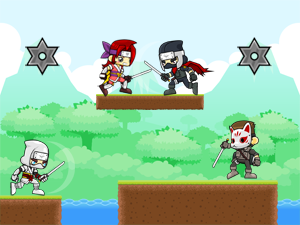
The monster above is trying to catch and kill a child. So, the child running to save its life. You can save this child from the monster if you can type correctly and fast. Can you save the child? Start playing and let's get the answer.
In this game, you should type the word you see just below the game canvas. You should type the word in the input box given below. To play again, you need to refresh this page.
1. Typing Practice » Beginner Level » Home Row (1 - 17)
Practice Lesson 1: Index fingers: J and F
Practice Lesson 2: Middle fingers: K and D
Practice Lesson 3: Review: JFKD
Practice Lesson 4: Ring fingers: S and L
Practice Lesson 5: Pinkie fingers: A and ;
Practice Lesson 6: Index fingers: G and H
Practice Lesson 7: Back and forth
Practice Lesson 8: Left hand keys 1
Practice Lesson 9: Left hand keys 2
Practice Lesson 10: Right hand keys 1
Practice Lesson 11: Right hand keys 2
2. Typing Practice » Beginner Level » Top Row (18 - 32)
Practice Lesson 18: Index fingers: R and U
Practice Lesson 19: Middle fingers: E and I
Practice Lesson 20: Ring fingers: W and O
Practice Lesson 21: Pinkie fingers: Q and P
Practice Lesson 22: Index fingers: T and Y
Practice Lesson 23: Back and forth
Practice Lesson 24: All left hand 1
Practice Lesson 25: All left hand 2
Practice Lesson 26: All right hand 1
Practice Lesson 27: All right hand 2
3. Typing Practice » Beginner Level » Bottom Row (33 - 46)
Practice Lesson 33: Index fingers: V and M
Practice Lesson 34: Middle fingers: C and ,
Practice Lesson 35: Ring fingers: X and .
Practice Lesson 36: Pinkie fingers: Z and /
Practice Lesson 37: Index fingers: B and N
Practice Lesson 38: Back and forth
Practice Lesson 39: All left hand 1
Practice Lesson 40: All left hand 2
Practice Lesson 41: All right hand 1
Practice Lesson 42: All right hand 2
4. Typing Practice » Beginner Level » Miscellaneous (47 - 68)
Practice Lesson 47: Review 1: Left hand words
Practice Lesson 48: Review 2: Right hand words
Practice Lesson 49: Review 3: Alternating hand words
Practice Lesson 50: Capitals 1
Practice Lesson 51: Capitals 2
Practice Lesson 52: Capitals 3
Practice Lesson 53: Capitals 4
Practice Lesson 62: Numeric Keypad 1
Practice Lesson 63: Numeric Keypad 2
Practice Lesson 64: Numeric Keypad 3
Practice Lesson 65: Numeric Keypad 4
Practice Lesson 66: Easy Words
Practice Lesson 67: Easy Words
Practice Lesson 68: Easy Words
5. Typing Practice » Intermediate Level (69 - 110)
Practice Lesson 69: Common Letter Combinations - CK
Practice Lesson 70: Common Letter Combinations - CH
Practice Lesson 71: Common Letter Combinations - PH
Practice Lesson 72: Common Letter Combinations - GH
Practice Lesson 73: Common Letter Combinations - TH
Practice Lesson 74: Common Letter Combinations - DG
Practice Lesson 75: Common Letter Combinations - ION
Practice Lesson 76: Common Letter Combinations - OUS
Practice Lesson 77: Common Letter Combinations - ATE
Practice Lesson 78: Common Letter Combinations - QU
Practice Lesson 79: Common Letter Combinations - IAL
Practice Lesson 80: Common Letter Combinations - ENT
Practice Lesson 81: Common Letter Combinations - ER
Practice Lesson 82: Common Letter Combinations - GRA
Practice Lesson 83: Common Letter Combinations - OR
Practice Lesson 84: Common Letter Combinations - ABLE
Practice Lesson 85: Common Letter Combinations - IC
Practice Lesson 86: Common Letter Combinations - EI
Practice Lesson 87: Common Letter Combinations - ACY
Practice Lesson 88: Common Letter Combinations - EX
Practice Lesson 89: Common Letter Combinations - ON
Practice Lesson 90: Common Letter Combinations - IN
Practice Lesson 91: Common Letter Combinations - ING
Practice Lesson 92: Common Letter Combinations - ARY
Practice Lesson 93: Common Letter Combinations - LY
Practice Lesson 94: Common Letter Combinations - GY
Practice Lesson 95: Common Letter Combinations - ED
Practice Lesson 96: Common Letter Combinations - AL
Practice Lesson 97: Common Letter Combinations - TRAN
Practice Lesson 98: Common phrase practice 1
Practice Lesson 99: Common phrase practice 2
Practice Lesson 100: Common phrase practice 3
Practice Lesson 101: Common phrase practice 4
Practice Lesson 102: Common phrase practice 5
Practice Lesson 103: Common phrase practice 6
Practice Lesson 104: Common phrase practice 7
Practice Lesson 105: Common phrase practice 8
Practice Lesson 106: Common phrase practice 9
Practice Lesson 107: Common phrase practice 10
Practice Lesson 108: Common phrase practice 11
Practice Lesson 109: Common phrase practice 12
Practice Lesson 110: Common phrase practice 13
6. Typing Practice » Advanced Level (111 - 144)
Practice Lesson 111: Using Right Hand SHIFT Key
Practice Lesson 112: Using Left Hand SHIFT key
Practice Lesson 113: Using Each SHIFT Key
Practice Lesson 114: Left hand only - short words
Practice Lesson 115: Left hand only - longer words
Practice Lesson 116: Right hand only - easy words
Practice Lesson 117: Right hand only - harder words
Practice Lesson 118: Words with alternate hands letters
Practice Lesson 119: Numbers and Special Characters - Left hand
Practice Lesson 120: Numbers and Special Characters - Right hand
Practice Lesson 121: Numbers and Special Characters - Left hand - More difficult
Practice Lesson 122: Numbers and Special Characters - Right hand - More difficult
Practice Lesson 123: Tongue twisters 1
Practice Lesson 124: Tongue twisters 2
Practice Lesson 125: Tongue twisters 3
Practice Lesson 126: Tongue twisters 4
Practice Lesson 127: Tongue twisters 5
Practice Lesson 128: Tongue twisters 6
Practice Lesson 129: Tongue twisters 7
Practice Lesson 130: Tongue twisters 8
Practice Lesson 131: Tongue twisters 9
Practice Lesson 132: Tongue twisters 10
Practice Lesson 133: Tongue twisters 11
Practice Lesson 134: Tongue twisters 12
Practice Lesson 135: Tongue twisters 13
Practice Lesson 136: Tongue twisters 14
Practice Lesson 137: Tongue twisters 15
Practice Lesson 138: Tongue twisters 16
Practice Lesson 139: Tongue twisters 17
Practice Lesson 140: Tongue twisters 18
Practice Lesson 141: Tongue twisters 19
Practice Lesson 142: Tongue twisters 20
Practice Lesson 143: The hardest words to type 1
Practice Lesson 144: The hardest words to type 2
7. Typing Practice » Miscellaneous (145 - 166)
Practice Lesson 145: Alphanumeric Typing Test: 1
Practice Lesson 146: Alphanumeric Typing Test: 2
Practice Lesson 147: Alphanumeric Typing Test: 3
Practice Lesson 148: Alphanumeric Typing Test: 4
Practice Lesson 149: Alphanumeric Typing Test: 5
Practice Lesson 150: Alphanumeric Typing Test: 6
Practice Lesson 151: Alphanumeric Typing Test: 7
Practice Lesson 152: Alphanumeric Typing Test: 8
Practice Lesson 153: Alphanumeric Typing Test: 9
Practice Lesson 154: Alphanumeric Typing Test: 10
Practice Lesson 155: English Alphabet Typing Test
Practice Lesson 156: ASDF JKL; - Home-Row Practice
Practice Lesson 157: QWERT YUIOP - Top-Row Practice
Practice Lesson 158: ZXCVB NM,./ - Bottom-Row Practice
Practice Lesson 159: Left Hand Typing Practice
Practice Lesson 160: Right Hand Typing Practice
Practice Lesson 161: Symbols & Special Character
Practice Lesson 162: Numbers & symbols
Practice Lesson 163: Random Word Typing
Practice Lesson 164: Common Word Typing
Practice Lesson 165: Legal Typing Test
Practice Lesson 166: Medical Typing Practice
Practice Lesson 167: Home-Row Typing Practice Words
Practice Lesson 168: Home-Row and Upper Row Typing Practice Words
Online Typing Test in English
1 Minute Typing Test
2 Minute Typing Test
3 Minute Typing Test
5 Minute Typing Test
10 Minute Typing Test
10 Typing Games / Typewriting Games








Bookmark This Page (Ctrl + D)


Typing Test — Top 10 (ten) World Ranking
Get an online typing test certificate now
Please note: We may delete certificates older than 6 (six) months.
Best Score | World Ranking | Countrywise Ranking
Get a Certificate | Register | Log In
WPM = Words per minute
| Sl. | Name | Level | Net WPM | Accuracy | Country |
|---|---|---|---|---|---|
| 1. | Broderick Bagert | Professional | 111 | 99.10% | United States |
| 2. | Farhan | Professional | 93 | 93.96% | Indonesia |
| 3. | Teoh You Le | Professional | 83 | 95.41% | Malaysia |
| 4. | Fluffy Toucan | Fast | 73 | 88.01% | Albania |
| 5. | Fluffy Toucan | Fast | 71 | 92.25% | Albania |
| 6. | Laura Elizabeth Ewing | Fast | 67 | 94.38% | United States |
| 7. | Laura Elizabeth Ewing | Fluent | 60 | 93.79% | United States |
| 8. | abdullah mashia | Fluent | 59 | 98.34% | Puerto Rico |
| 9. | Laura Elizabeth Ewing | Fluent | 59 | 90.77% | United States |
| 10. | Damyan Todorov | Fluent | 57 | 93.49% | Bulgaria |
How we grade your typing speed:
| Level | Net WPM |
|---|---|
| Slow | 0 - 25 |
| Average | 26 - 45 |
| Fluent | 46 - 60 |
| Fast | 61 - 80 |
| Professional | 80+ |
Performance Graph — Based on top 10 (ten) world ranking
Typing Test — Last 25 Practice Results
Get an online typing test certificate now
Please note: We may delete certificates older than 6 (six) months.
Best Score | World Ranking | Countrywise Ranking
Get a Certificate | Register | Log In
The following list shows how some users of this website have performed within last 24 hours.
WPM = Words per minute
How we grade your typing speed:
| Level | Net WPM |
|---|---|
| Slow | 0 - 25 |
| Average | 26 - 45 |
| Fluent | 46 - 60 |
| Fast | 61 - 80 |
| Professional | 80+ |
Performance Graph — Based on last 25 results
Save the Child Typing Game Online Free
Imagine being in the middle of a thrilling rescue mission where every keystroke you make decides the fate of a child in danger. Your heart races. Your fingers move faster. You are not just playing—you are saving someone. That is the power of Save the Child, one of the most engaging typing games available online today. But here is the question that keeps players hooked: how can something as simple as a typing game actually make you a faster, more confident typist? Keep reading, because what you are about to discover will completely change how you think about learning through typing games.
The Evolution of Typing Games
There was a time when learning to type felt like watching paint dry. Repetitive drills, boring text, and no excitement whatsoever. Then typing games arrived and transformed the experience forever. Suddenly, learning to type became fun, fast-paced, and interactive. Typing games like Save the Child turn dull exercises into adventures. They give you goals, challenges, and instant rewards. That is why typing games have become so popular among both children and adults—they make learning addictive.
What Makes Save the Child Special
Save the Child stands out from other typing games because it combines action, story, and skill-building. The objective is simple but thrilling—you must type words quickly and accurately to rescue a child. Every correct word you type moves you closer to success, while mistakes slow you down. The sense of urgency keeps your heart pumping and your fingers flying. Unlike many other typing games that focus only on speed, Save the Child builds both speed and accuracy through storytelling and excitement.
The Psychology Behind Typing Games
Here is where science meets fun. Researchers have found that when learning feels rewarding, your brain releases dopamine—a chemical that motivates you to keep going. Typing games like Save the Child trigger this exact response. Instead of forcing yourself to practice, you actually want to. According to educational studies, gamified learning can increase skill retention by more than 20 percent compared to traditional methods. That means when you learn through typing games, you not only type faster—you also remember what you learned longer.
Getting Started with Save the Child
To begin, find a trusted typing website that offers the Save the Child game. Once you launch it, place your fingers on the home row keys—A, S, D, F for the left hand, and J, K, L, ; for the right hand. Do not worry if you are new to this. Typing games like Save the Child are designed for complete beginners. When the game starts, words appear on the screen. Each word represents a step in your mission. As you type correctly, you move closer to saving the child. Every mistake slows you down—but that just makes victory even more rewarding.
The Secret to Learning Fast Through Typing Games
Typing games work because they blend learning with emotion. When you feel emotionally involved in a game, you pay more attention and retain information better. That is why Save the Child keeps you on the edge of your seat. You care about the outcome, and that emotional connection helps your brain remember where each key is. Over time, this turns into muscle memory—the kind of automatic typing skill professional typists have.
Stories of Real Progress Through Typing Games
Let’s look at real examples. Emma, a middle school student, started with a typing speed of 18 words per minute. After two weeks of playing typing games daily, including Save the Child, her speed doubled to 36 words per minute. Another player, Daniel, used to take forever to finish his college essays. After practicing through typing games for 15 minutes a day, his typing accuracy jumped from 65 percent to 95 percent. These stories prove how even short daily sessions can lead to real results.
How Typing Games Turn Practice into Play
Typing games like Save the Child use a powerful learning method called deliberate practice. It means you practice with purpose, get instant feedback, and focus on improvement. When you type a word correctly in the game, you get immediate confirmation. When you make an error, you know right away and can fix it. The loop of action, feedback, and reward keeps your brain engaged. That is why you can spend 15 minutes on a typing game and feel like only five minutes passed.
Why Beginners Love Typing Games
If you are new to typing, you know the frustration—missed keys, slow progress, and boredom. Typing games fix that. Instead of staring at a blank screen, you are part of an adventure. Every keystroke has meaning. In Save the Child, each word you type brings you closer to a victory. That sense of purpose keeps you going. Typing games take away the pressure and replace it with joy, which is exactly what beginners need to stay consistent.
Tips to Improve Faster with Save the Child
Here are a few proven tips to help you get the most from your typing games practice. First, focus on accuracy before speed. Accuracy builds the foundation for long-term improvement. Second, practice daily, even if it’s only 10 minutes. Short, regular sessions are better than long, irregular ones. Third, track your progress. Most typing games show your speed and accuracy after each session. Use those stats to challenge yourself. Try to beat your last score and celebrate small wins along the way.
Typing Games for Kids and Adults Alike
Typing games are not just for kids. While children love the playful storylines, adults benefit just as much. In fact, adults often improve faster because they understand the real-world value of typing skills. Save the Child works perfectly for both age groups because it combines excitement with learning. Parents can encourage their children to play while improving their typing, and adults can use it to boost work productivity. Even offices now use typing games for employee skill development.
The Real-Life Benefits of Typing Games
Typing games like Save the Child are not just entertainment. They train your mind and body to work together. When you improve your typing speed, you save time. Imagine typing twice as fast—emails, essays, and reports all done in half the time. That means more free hours in your day. Typing games also improve focus and coordination, two skills that help you in everyday life. Whether you’re a student, a worker, or a casual learner, faster typing means smoother communication.
Common Questions About Typing Games
Beginners often wonder, do you need typing experience to start? Absolutely not. Typing games are built to teach you from scratch. Another question is, how long does it take to improve? For most people, daily practice for two weeks shows visible improvement. Others ask, can typing games help at work? Yes. Employees who play typing games report faster writing, fewer errors, and more confidence in handling computer tasks.
Why Save the Child Is So Addictive
Save the Child keeps players hooked because it turns typing into a mission. You are not just pressing keys—you are rescuing someone. The combination of story, sound effects, and increasing difficulty levels makes it impossible to quit. Each round leaves you wanting to play one more time, just to beat your previous score. That is the magic of great typing games—they make learning irresistible.
Comparing Save the Child to Other Typing Games
The internet is full of typing games, but few match the balance of fun and challenge that Save the Child offers. Games like Type Racer emphasize competition, while others like Typing Ninja focus on action. Save the Child mixes both with a unique storytelling element. It appeals to all age groups and skill levels, which is why it remains one of the most popular typing games online. If you want a game that makes you care about your progress, this one is perfect.
How Typing Games Boost Brain Power
Typing games train your brain just like puzzles or math challenges. They require focus, coordination, and quick decision-making. Over time, they enhance your ability to process information faster. Studies have shown that players of typing games develop stronger memory and problem-solving skills. By regularly engaging with games like Save the Child, you are not only improving your typing—you are strengthening your brain.
Building Confidence Through Typing Games
Confidence is something that grows with every correct keystroke. Many beginners feel nervous when typing, afraid of mistakes. But typing games turn those mistakes into lessons. In Save the Child, a missed word simply means another chance to try again. The more you play, the more comfortable you become. Over time, you start typing without looking at the keyboard, which is a huge confidence boost.
Consistency Is the Key to Typing Mastery
Typing games work best when you play regularly. Consistency matters more than duration. A short, focused session each day beats hours of practice once a week. When you make typing games like Save the Child part of your daily routine, your progress compounds. Over weeks, you will notice your typing speed and comfort level growing effortlessly.
The Social Side of Typing Games
Did you know typing games can also be social? Many players compete with friends or classmates, sharing scores and cheering each other on. This adds an element of fun competition that pushes you to improve faster. Some schools even organize typing game tournaments to make learning exciting. Save the Child can easily become part of friendly challenges where players race to see who rescues the child fastest.
Typing Games and Digital Literacy
In today’s digital world, typing is as important as reading and writing. Typing games help build that essential digital skill in an enjoyable way. Once you get faster at typing, everything else becomes easier—sending messages, writing reports, coding, or even gaming. Save the Child may seem like a small step, but it lays the foundation for broader digital confidence. It’s your gateway to becoming fluent in the language of technology.
Using Typing Games for Stress Relief
Here’s something most people overlook—typing games are great stress relievers. When you focus on the rhythm of typing, your mind relaxes. It’s similar to meditation or drawing; you enter a flow state where time flies. Games like Save the Child combine excitement and calm in one experience. You are engaged, yet relaxed. That’s why many people play typing games during work breaks—they reset your mind and improve your focus afterward.
How Typing Games Improve Academic Performance
For students, typing games can lead to better grades. Faster typing means you can take notes more efficiently and finish assignments sooner. It also makes online learning smoother, as many schools now require digital submissions. Teachers are increasingly recommending typing games like Save the Child as part of classroom learning. The fun format helps students stay focused and makes practice something they actually look forward to.
Typing Games in the Workplace
Businesses are also recognizing the value of typing games. Faster typists get more done in less time. In offices, employees who practice with typing games show improved productivity and fewer typing errors. Some companies even integrate typing games into training sessions to make skill-building more engaging. Save the Child, with its mission-based design, is especially good for team challenges and friendly competitions.
Overcoming Typing Anxiety with Typing Games
Many beginners feel anxious when they see a blank document. Typing games help overcome that fear. Instead of worrying about mistakes, you focus on the goal. Save the Child’s storyline keeps you emotionally engaged, which reduces performance pressure. You are learning without even realizing it. After a few sessions, the anxiety disappears and confidence takes its place.
How Typing Games Improve Focus and Attention Span
Typing games demand attention. You must read, think, and type simultaneously. This sharpens your concentration. Over time, that improved focus spills into other areas of life. Students report better study habits. Adults find they can work longer without getting distracted. Typing games like Save the Child train your brain to stay engaged, one keystroke at a time.
The Role of Speed and Accuracy in Typing Games
Speed gets you points, but accuracy wins the game. In Save the Child, one wrong letter can delay your rescue. That pressure teaches you to type correctly first, then faster. This method mirrors how professional typists train—accuracy before speed. Once accuracy becomes second nature, speed naturally follows. Typing games make this process effortless and fun.
How Typing Games Build Muscle Memory
When you play typing games regularly, your fingers start to remember the keyboard layout. This is called muscle memory. At first, you may need to look at the keys, but soon your hands move automatically. Save the Child encourages this because of its fast-paced design. You type so much that your fingers learn the rhythm without you realizing it. That is why consistent practice with typing games produces long-lasting results.
Typing Games and Hand-Eye Coordination
Every time you type what you see on the screen, your brain connects vision with motion. This improves hand-eye coordination. It’s the same skill athletes and musicians use. Typing games like Save the Child strengthen this connection. The faster you react to words on the screen, the better your coordination gets. This makes you not only a better typist but also sharper in other quick-response activities.
Making Typing Games Part of Daily Routine
You do not need hours to get better at typing. A few minutes of fun practice daily is enough. Make typing games part of your routine. Play Save the Child after lunch or before bed. Think of it like brushing your teeth—small, consistent effort leads to big results. Over time, typing becomes second nature, and you’ll wonder how you ever managed without it.
Future of Learning Through Typing Games
As education continues to move online, typing games will become even more important. They combine learning with entertainment, making them ideal for digital classrooms. Imagine kids across the world improving their typing through exciting adventures instead of dull drills. Games like Save the Child represent the future of education—interactive, effective, and fun.
Real-World Success Stories of Typing Games
Companies, schools, and individuals everywhere are already benefiting from typing games. One elementary school in California reported a 30 percent improvement in typing speed across its students after introducing typing games into the curriculum. A customer service team used typing games for training and reduced response times by 25 percent. These results prove how typing games create real-world impact beyond just the keyboard.
Why Typing Games Keep Evolving
The beauty of typing games lies in their adaptability. Newer versions of games like Save the Child now include better graphics, new storylines, and different difficulty levels. Developers continue improving them to match modern learners’ needs. Whether you are using a desktop or mobile device, typing games make skill-building accessible anywhere, anytime.
How to Stay Motivated with Typing Games
The best way to stay motivated is to keep things fun. Track your progress, challenge friends, and celebrate your wins. Every time you beat your record in Save the Child, take a moment to appreciate how far you’ve come. Remember, each session brings you closer to mastery. The excitement of the game itself will keep you coming back.
Advanced Training Through Typing Games
Once you master basic typing, you can use typing games to take it further. Try games that challenge specific skills—like numeric keypads, coding-based typing, or speed races. Save the Child is great for balanced improvement, but exploring different typing games can make you versatile. Think of it as cross-training for your typing muscles.
How Typing Games Shape a Growth Mindset
Typing games teach persistence. You lose, you try again, and you improve. That’s the essence of a growth mindset—the belief that you can get better with effort. When players apply this mindset beyond the keyboard, it helps in academics, careers, and even personal goals. Save the Child isn’t just teaching you to type; it’s teaching you how to keep going until you succeed.
The Big Picture: Why Typing Games Matter
Typing games are not a passing trend—they are part of a larger shift toward gamified learning. Humans learn best when they are engaged and having fun. Save the Child shows how powerful that can be. It’s more than just entertainment; it’s an educational revolution. Every keystroke you make in the game is shaping a valuable life skill.
Final Thoughts on Typing Games
At the start, you wondered how a typing game could make you a faster typist. Now you know. Save the Child does it by transforming boring practice into an unforgettable adventure. You learn without stress, improve without effort, and have fun the whole way. Every word brings you closer to saving the child—and to mastering one of the most essential skills in the digital age.
So, the next time you sit down to practice typing, do not open a dull text file. Play a typing game. Make it exciting. Make it meaningful. Because when learning feels like play, you will never want to stop. Keep playing, keep improving, and keep saving the child. With typing games, every keystroke counts toward becoming the confident, speedy, and skilled typist you were meant to be.
More Resources
- Numeric Pad Practice for Complete Beginners
- Best Typing Game Typing Practice for Beginners
- Best English Typing Speed Test Online Free
- English Typing Learning for Absolute Beginners
- Best Free Paragraphs for Typing Test Practice
- Best Keyboarding Lessons for Beginners to Start Fast
- Free Typing Test for Beginners Online
- Best Online Typing Exercise to Improve Speed Fast
- Free Tool to Test My WPM Typing Speed Online
- Practice Home Row Typing for Beginners