Computer Keyboard Learning Games for Beginners








168 Typing Practice & Free Typing Lessons. Try Now.
1. Keyboard Games: Nitro Type
Nitro Type Race is probably the most famous among all free typing games. It is a typing car race game.
In this game, you own the yellow car. The car will be running ahead until the game ends. Once you select your favorable difficulty level, the game will begin. You will see several cars around your car. On each car, you will see a word.
If you target a car and type the word on it, the enemy car will be destroyed. What if you type a letter incorrectly? Your enemy car will fire at you and your car will be damaged. If enemy cars keep damaging your car, you will eventually lose the game.
If you are winning in the beginner level every time, you should try the upper level that is more difficult and requires faster typing speed.
If you want to practice paragraph typing games racing, you should try our TypeRacer game because this game only lets you type different words. There is no paragraph typing option in this game.
Play this fast typing game now
2. Keyboard Games: Ninja Cat
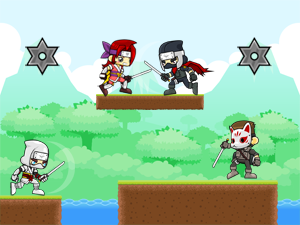
Although you will find Ninja Cat in free typing games, it is not very popular nowadays. Once upon a time, it was very popular in typing practice games.
In this typing practice game, the Ninja Cat fights on behalf of you. When you keep typing correctly, your Ninja Cat will keep attacking the other Ninja man. The man will eventually die. What if you make a mistake? The enemy will immediately attack you and you must take damage in such a case.
Keep typing properly until the result statistics are shown.
Play this fast typing game now
3. Keyboard Games: TypeRacer / Type Racer
TypeRacer is also very popular among free typing games. It is not as popular as the Nitro Type Race game but it is also a very popular typing car race game.
Are you looking for typing test paragraphs? In this game, you will get an opportunity to type paragraphs. There are several cars in this game. You own one of the cars. You will see a random paragraph. Your job is to type each word without making any mistakes. Besides being accurate, you must type fast. Slow typing and mistakes will contribute to losing the game.
You will notice that both accuracy and speed are important in most typing practice games.
Play this fast typing game now
4. Keyboard Games: ZType
Few free typing games could reach and hold the popularity of ZType. As far as we have seen, this game has been popular for 10+ years.
This is a space shooter game. Your task is to shoot down the enemy fighter jets. Each enemy fighter jet has a word around it. You finish typing this word and the enemy fighter jet gets destroyed. Then you target another fighter jet and type its word and then it gets destroyed too. This goes on until the game ends.
Although you are allowed to make mistakes in this game, every mistake will cost your typing words per minute score.
Play this fast typing game now
5. Keyboard Games: Zombie Typing Game Typocalypse
In the list of free typing games, the Zombie typing game was very popular once upon a time. You can see other zombie typing games in other websites too because it was very popular once upon a time. It is still somewhat popular nowadays.
The typing game online idea is pretty simple. Zombies will be approaching you. As soon as they are very near to you, they will immediately kill you. Do you want to kill or get killed? Every zombie brings a word with it. You shoot down the zombie by typing the word. Your job is to keep shooting the approaching zombies.
Other similar typing test games work in a very similar way.
Play this fast typing game now
6. Keyboard Games: Dance Mat Typing
It is also one of the most popular free typing games. It was originally developed by BBC and then others made their own versions of this game because of its high popularity.
Our fast typing game here does not totally match with that of the BBC game. In our version, you will find that a child will be dancing. You keep typing correctly, the child will keep dancing and balloons will fly one after another. You start typing incorrectly, the child stops dancing. So, you see this typing game online has a pretty simple idea.
Please note that this game has a long list of exercises. These exercises cover pretty much everything you need for your typing practice.
Play this fast typing game now
7. Keyboard Games: Keyboard Climber 2
10 (ten) years ago, there were many free typing games and Keyboard Climber 2 was a popular choice. Nowadays this game is not as popular as before.
In this typing game online, you have your player jump above and climb all the top levels. In each level, there is an enemy waiting for you. You type some random letters and you kill the enemy when you finish typing the random letters attached to the enemy. You do not need to take any action to jump upward. As soon as you kill an enemy by typing correctly, your player automatically jumps upward to fight with another enemy.
The only purpose of this game is to help the beginners learn alphabet typing.
Play this fast typing game now
8. Keyboard Games: Just Type This
This game does not take place in free typing games. It is an ordinary typing game.
It is a Mario typing game. It is also a platformer game where Mario keeps running and jumping and thus tries to avoid obstacles. There are many moving obstacles in this typing game online. If Mario hits a moving object, it will die immediately. Although Mario will probably get another life, you should be careful so that you do not make any typing mistake. Even if you make a mistake, keep your mistakes to the minimum number.
This game is basically for beginners who need to practice alphabet typing.
Play this fast typing game now
9. Keyboard Games: Flying Race
This typing game also does not expect any place in popularity in free typing games.
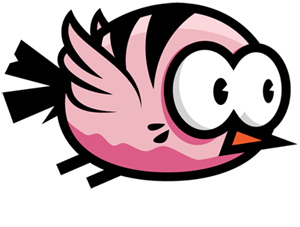
There are several birds in this game. You help one bird to fly fast and win this flying race. When you type fast and correctly, the speed of your bird increases. The speed increases so much that your bird flies past other birds to take the first position. What if you type slowly? What if you type incorrectly? In both these cases, the speed of your bird slows down and it keeps lagging behind. If your typing speed and accuracy does not improve immediately, the chance of your win quickly goes down.
To win in this fast typing game every single time, keep typing fast without making any mistakes.
Play this fast typing game now
10. Keyboard Games: Save The Child
Among all our free typing games, this game is the simplest.
A monster is chasing a child. A child is running for its life. You can help the child to save its life.
At the bottom of the game canvas, you will see a letter from the English alphabet. As soon as you type it, the game begins. Both the child and monster start running. As soon as you type the letters correctly, the child survives. If you keep making typing mistakes, the monster will approach the child fast and kill the child. Your typing speed and accuracy can cost the child's life.
The primary purpose of this typing game online is to help you master typing all letter fast from the English alphabet.
Play this fast typing game now
Bookmark This Page (Ctrl + D)


Typing Test — Top 10 (ten) World Ranking
Get an online typing test certificate now
Please note: We may delete certificates older than 6 (six) months.
Best Score | World Ranking | Countrywise Ranking
Get a Certificate | Register | Log In
WPM = Words per minute
| Sl. | Name | Level | Net WPM | Accuracy | Country |
|---|---|---|---|---|---|
| 1. | Broderick Bagert | Professional | 111 | 99.10% | United States |
| 2. | Farhan | Professional | 93 | 93.96% | Indonesia |
| 3. | Teoh You Le | Professional | 83 | 95.41% | Malaysia |
| 4. | Braeden Edward O'Daniel | Fast | 68 | 97.13% | United States |
| 5. | Laura Elizabeth Ewing | Fast | 67 | 94.38% | United States |
| 6. | Laura Elizabeth Ewing | Fluent | 60 | 93.79% | United States |
| 7. | Laura Elizabeth Ewing | Fluent | 59 | 90.77% | United States |
| 8. | Laura Elizabeth Ewing | Fluent | 56 | 93.29% | United States |
| 9. | Laura Elizabeth Ewing | Fluent | 53 | 82.87% | United States |
| 10. | Osama Abbas hussain | Fluent | 47 | 100.00% | Pakistan |
How we grade your typing speed:
| Level | Net WPM |
|---|---|
| Slow | 0 - 25 |
| Average | 26 - 45 |
| Fluent | 46 - 60 |
| Fast | 61 - 80 |
| Professional | 80+ |
Performance Graph — Based on top 10 (ten) world ranking
Typing Test — Last 25 Practice Results
Get an online typing test certificate now
Please note: We may delete certificates older than 6 (six) months.
Best Score | World Ranking | Countrywise Ranking
Get a Certificate | Register | Log In
The following list shows how some users of this website have performed within last 24 hours.
WPM = Words per minute
How we grade your typing speed:
| Level | Net WPM |
|---|---|
| Slow | 0 - 25 |
| Average | 26 - 45 |
| Fluent | 46 - 60 |
| Fast | 61 - 80 |
| Professional | 80+ |
Performance Graph — Based on last 25 results
Computer Keyboard Learning Games for Beginners
Imagine sitting at your computer and typing without fear. Your fingers move. Your eyes stay on the screen. You are not hunting for letters like you are looking for tiny treasure on a plastic island. You just type.
That feeling may seem far away if you are a beginner. Maybe you still look down for every key. Maybe you use two fingers. Maybe you press Backspace so much it deserves a paycheck.
Here is the good news. You do not have to learn typing through boring drills only. Computer keyboard learning games can turn practice into something fun, simple, and surprisingly powerful. They help your brain and fingers learn the keyboard while you play.
But there is one catch. Not every typing game helps you improve. Some games make you rush before you are ready. Some games look fun but teach poor habits. Some games keep score but do not help you understand what to fix.
So how do you choose the right games? And what is the one beginner mistake that slows typing progress more than almost anything else?
Keep reading, because that answer can save you weeks of frustration.
Understanding Why Typing Matters
Typing is one of those skills people use every day without thinking much about it. You type when you send an email. You type when you search online. You type when you do schoolwork, fill out forms, chat with friends, apply for jobs, or write notes.
The keyboard is not just a tool. It is a bridge between your thoughts and the screen.
When typing feels hard, using a computer feels slower. A simple message takes longer. A homework answer feels annoying. A job form becomes stressful. Even searching for a video can feel like work.
But when typing becomes easy, the computer feels easier too. You can focus on what you want to say instead of where the letters are. That is why computer keyboard learning games are so helpful for beginners. They make a useful skill feel less scary.
Typing is also connected to confidence. Many beginners feel embarrassed when they type slowly. They may think, “Everyone else knows this already.” But that is not true. A lot of adults and students still struggle with keyboard skills. The difference is that some people practice in a smart way.
Computer keyboard learning games give you that smart practice. They let you repeat keys, words, and patterns without feeling like you are stuck in a classroom from 1998.
Why Computer Keyboard Learning Games Work So Well
Typing requires repetition. There is no magic shortcut around that. Your fingers need to press the same keys again and again until they remember where to go.
The problem is that repetition can feel boring.
That is where computer keyboard learning games help. They hide practice inside play. You may be typing letters to move a car forward. You may be typing words to pop balloons. You may be saving a character, finishing a mission, or beating your own score.
Your brain thinks, “This is a game.”
Your fingers think, “Great. More practice.”
That is the sweet spot.
Games also give instant feedback. If you type the wrong letter, you know right away. If your speed improves, you see it. If your accuracy drops, the game shows you. This fast feedback helps beginners fix mistakes before those mistakes become habits.
Educational research often shows that people learn better when practice is active, repeated, and connected to feedback. Computer keyboard learning games include all three. You are not just reading about typing. You are doing it. You are doing it many times. And you are seeing results as you go.
That is why a short daily session can be more useful than a long practice session once in a while.
Muscle Memory And The Key To Speed
Muscle memory is one of the biggest secrets behind smooth typing.
Muscle memory means your fingers learn movements so well that you do not have to think about them. You already use muscle memory in daily life. You use it when you brush your teeth. You use it when you tie your shoes. You use it when you ride a bike.
At first, typing feels slow because your brain is doing too many jobs at once.
You are thinking:
Where is the letter?
Which finger should I use?
Did I press the right key?
Why is the comma hiding from me?
After enough practice, those questions fade. Your fingers begin to move on their own. That is when typing starts to feel natural.
Computer keyboard learning games help build muscle memory because they repeat useful key patterns in an enjoyable way. The more often your fingers make the correct movement, the stronger that movement becomes.
Speed is not the first goal. Automatic movement is the first goal. Once your fingers know where to go, speed grows more naturally.
How Learning To Type Helps You In Everyday Life
Typing is not just for writers, office workers, or computer programmers. It is useful for almost everyone.
Students can finish assignments faster. Parents can send messages, fill out school forms, and manage online tasks more easily. Job seekers can complete applications without struggling. Workers can write emails, reports, notes, and messages with less stress.
Even simple daily tasks become smoother.
Imagine typing a search question without looking down. Imagine writing a message without stopping every few seconds. Imagine taking notes while still paying attention to what someone says.
That is the real value of typing.
Computer keyboard learning games help beginners reach that point step by step. They give you a safe place to practice. You can make mistakes without pressure. You can replay levels. You can start slowly. You can improve at your own pace.
And every small improvement makes the computer feel a little less like a puzzle and a little more like a tool you control.
What Makes A Good Computer Keyboard Learning Game
Not all computer keyboard learning games are useful. A game can be colorful and fun but still fail to teach good typing habits.
A good typing game should help beginners build a strong foundation.
It should start simple. It should not throw the whole keyboard at you on day one. A beginner should first practice a small group of keys, then slowly add more.
It should focus on accuracy before speed. If a game pushes you to type fast too soon, you may build messy habits.
It should show clear instructions. Beginners should know where to place their fingers and what to practice next.
It should give helpful feedback. You should be able to see your mistakes, speed, and accuracy.
It should feel fun enough to repeat. Because typing improvement comes from practice, the game must be enjoyable enough to bring you back.
For example, a strong beginner game may begin with home row keys: A, S, D, F, J, K, L, and semicolon. Then it may add G and H. Later, it may introduce top row and bottom row keys.
This is much better than starting with random long words that use every part of the keyboard.
Computer keyboard learning games should guide you like a friendly coach, not chase you like an angry goose.
Starting With The Home Row
The home row is the foundation of typing. It is the middle letter row on the keyboard.
Your left fingers rest on A, S, D, and F. Your right fingers rest on J, K, L, and semicolon. Your thumbs rest near the spacebar.
The F and J keys usually have small bumps. These bumps help your index fingers find the home position without looking. Think of them as tiny keyboard landmarks.
Many beginners skip the home row. They use two fingers and search for letters one by one. This can work for short messages, but it becomes slow and tiring when you need to type more.
Computer keyboard learning games can help you learn the home row in a playful way. Instead of staring at a chart, you press keys in a game. You may type letters to catch falling objects or complete small challenges. The game keeps you engaged while your fingers learn their starting positions.
Once the home row feels comfortable, the rest of the keyboard becomes easier. Your fingers learn to move away from home row and return to it again.
This return movement is very important. Good typing is not just about reaching keys. It is about returning to the right starting place.
Why Looking At The Keyboard Slows You Down
Looking at the keyboard feels helpful at first. It gives you comfort. You can see the letters. You can search and press.
But it also slows you down.
When your eyes move from the screen to the keyboard and back again, your brain has to keep switching focus. That takes time. It also makes mistakes more likely because you may lose your place on the screen.
The goal is to keep your eyes on the screen and let your fingers learn the keyboard by touch.
This may feel strange in the beginning. You may type slower for a while. That is normal. You are training a new skill.
Computer keyboard learning games can help because they keep your attention on the screen. The action happens there. The letters appear there. The score appears there. Your eyes have a reason to stay up.
Try this simple rule: slow down enough that you do not need to look.
If you must look, pause for a second, reset your fingers on the home row, and continue. Do not panic. Do not rush. The goal is progress, not perfection.
How Computer Keyboard Learning Games Keep You Motivated
Motivation matters because typing takes time to learn.
If practice feels boring, you may quit. If practice feels fun, you are more likely to come back tomorrow.
Computer keyboard learning games keep you motivated with levels, scores, sounds, timers, animations, badges, and challenges. These little rewards matter. They give your brain a reason to keep going.
Even a small win can feel good.
You beat your old score.
You made fewer mistakes.
You finished a level.
You typed one more word per minute than last time.
That small win says, “Hey, I am getting better.”
This is powerful for beginners because early progress can feel slow. You may not notice improvement in the moment. But games make progress visible. They show numbers and results. That proof can keep you going.
Some studies about learning and practice suggest that immediate feedback and small goals can improve motivation. This makes sense in typing too. When you see improvement, you want to continue.
Examples Of Computer Keyboard Learning Games
There are many types of computer keyboard learning games. Each type helps in a different way.
Typing racing games are fast and exciting. You type words to move a car, bike, boat, or character forward. These games are great when you already know the keys and want to build speed.
Typing adventure games use stories. You may type to help a character move through a map, solve puzzles, or complete missions. These are helpful for learners who enjoy a goal beyond just numbers.
Typing accuracy games focus on careful typing. The goal is not always to go fast. The goal may be to avoid mistakes. These games are excellent for beginners because accuracy builds strong habits.
Typing games for kids often use bright colors, simple words, and friendly characters. They are also helpful for adults who want easy, relaxed practice without pressure.
Typing rhythm games connect typing to beats or timing. These can help learners build a steady typing rhythm.
Letter recognition games help very new beginners find keys. They may show one letter at a time and ask you to press it. These are useful if the keyboard still feels unfamiliar.
Word typing games help you move from letters to real words. This is where typing starts to feel useful.
Sentence typing games help you practice spaces, punctuation, capital letters, and flow.
The best computer keyboard learning games for you depend on your current level. A total beginner should start with letters and home row. A growing beginner can move to words. A more confident learner can practice sentences and timed challenges.
Practice Tips To Learn Faster Using Typing Games
You do not need to practice for hours every day. In fact, short practice can work better for beginners.
Start with 10 minutes a day. That is enough to build a habit without feeling tired. If you enjoy it, you can practice longer. But do not force yourself into long sessions that make your hands tense.
Focus on accuracy first. Try to stay above 90 percent accuracy if the game shows accuracy. If your accuracy drops too low, slow down.
Use the correct fingers. This may feel awkward at first, but it helps you later.
Keep your eyes on the screen. Do not stare at the keyboard.
Sit comfortably. Keep your shoulders relaxed. Keep your wrists loose. Do not press the keys like they owe you money.
Practice the same level more than once if needed. Repeating a level is not failure. It is training.
End your session with one small win. This could be finishing a level, improving accuracy, or typing a short sentence without looking.
Computer keyboard learning games work best when you use them with patience. You are teaching your fingers a new map. Give them time.
How To Track Your Typing Progress
Tracking progress is one of the best ways to stay motivated.
Many computer keyboard learning games show words per minute, also called WPM. They may also show accuracy. Some show your most missed keys.
WPM tells you how fast you type. Accuracy tells you how correct your typing is. Both matter.
A beginner may start around 10 to 20 WPM. That is normal. With regular practice, many beginners can reach 25 to 40 WPM over time. Some people improve faster. Some improve slower. The exact number is not the point.
The point is steady progress.
Check your typing speed once a week. Do not test every five minutes. If you test too often, you may become nervous and focus too much on the number.
Keep a small typing log. Write down the date, your WPM, and your accuracy.
For example:
Week 1: 14 WPM, 88 percent accuracy
Week 2: 18 WPM, 91 percent accuracy
Week 3: 23 WPM, 93 percent accuracy
Week 4: 28 WPM, 94 percent accuracy
Seeing progress like this feels good. It proves your practice is working.
Avoiding The Most Common Beginner Mistake
Earlier, we opened a loop about the one beginner mistake that slows progress more than almost anything else.
Here it is.
Many beginners focus on speed before accuracy.
They want to type fast right away. So they rush. They hit wrong keys. They look down. They use random fingers. They keep going even when mistakes pile up.
This creates bad habits.
Typing fast with poor accuracy is like running in the wrong direction. You may move quickly, but you are not getting where you want to go.
Accuracy comes first. Speed comes second.
Computer keyboard learning games can help, but only if you choose games and levels that reward correct typing. If a game makes you feel rushed too early, use a slower mode. If the game shows accuracy, try to improve that before chasing a higher WPM score.
A good beginner goal is simple: type slowly, correctly, and without looking.
Once that feels natural, speed will grow.
How Computer Keyboard Learning Games Build Confidence
Confidence is a huge part of learning.
A beginner who feels confident practices more. A beginner who feels embarrassed avoids practice. That is why computer keyboard learning games are so helpful. They create a private practice space where mistakes are normal.
You can fail a level and try again.
You can type slowly and still improve.
You can repeat basic keys without anyone judging you.
This matters for adults too. Many adults feel awkward learning a “basic” computer skill. But there is no shame in learning. Everyone starts somewhere. Even skilled typists were beginners once.
Computer keyboard learning games turn progress into something visible. Every completed level says, “You can do this.” Every improved score says, “You are learning.” Every mistake you fix says, “You are getting stronger.”
That confidence carries over into real typing tasks.
Choosing The Right Game For Your Learning Style
People learn in different ways.
Some learners enjoy competition. They like racing games, leaderboards, and timed challenges.
Some learners prefer calm practice. They like simple games with no loud sounds and no pressure.
Some learners enjoy stories. They like adventure games where typing moves the story forward.
Some learners need structure. They want lessons that unlock step by step.
Some learners like colorful designs. Others want a clean screen with fewer distractions.
The best computer keyboard learning games are the ones you will actually use.
That sounds simple, but it is important. A perfect game you never play will not help. A simple game you enjoy every day can help a lot.
Try a few types. Notice how you feel after playing. Do you feel encouraged? Do you understand what to practice next? Do you want to come back tomorrow?
If yes, that game is a good fit.
Understanding The Learning Curve For Beginners
The beginning can feel slow. That does not mean you are bad at typing. It means your brain is building new connections.
At first, you may think about every letter. Your fingers may feel clumsy. You may press the wrong key even when you know the right one. This is normal.
Then you reach a middle stage. You know many keys, but you still make mistakes. You may type faster sometimes, then slower other times. This is also normal.
Then something exciting happens. Your fingers begin to remember. You type short words without thinking. You find keys by feel. You stop looking down so often.
That is the breakthrough.
Computer keyboard learning games help you move through this learning curve because they give you regular practice in small steps. They also make the slow beginning feel less frustrating.
Remember this: slow practice is not wasted practice. Slow correct typing builds the base for fast typing later.
How The Brain Learns Through Play
Your brain loves patterns.
Typing is full of patterns. Certain letters appear together often. Certain finger movements repeat. Words have shapes. Sentences have rhythm.
When you play computer keyboard learning games, your brain starts noticing these patterns. It connects what you see on the screen with what your fingers do on the keyboard.
Games also help attention. When something feels like play, you usually focus longer. You want to finish the challenge. You want to beat your last score. You want to see what happens next.
That focus makes practice stronger.
This is one reason games can be powerful learning tools. They do not remove the work. They make the work easier to repeat.
And in typing, repeat practice is the key.
Developing Accuracy Before Speed
Accuracy means typing the correct keys.
Speed means typing quickly.
Beginners often chase speed because it feels exciting. WPM is easy to measure. A bigger number feels like success.
But accuracy is the foundation. If your accuracy is low, your real speed is not as good as it looks. Why? Because you spend extra time fixing mistakes.
Think about it this way.
Typing 40 WPM with many mistakes may be slower in real life than typing 30 WPM with strong accuracy. Backspace takes time. Corrections take focus. Mistakes break your flow.
Computer keyboard learning games that show accuracy can help you build better habits. Aim for clean typing first. A strong goal for many beginners is 90 to 95 percent accuracy before trying harder speed challenges.
Once you type correctly most of the time, you can slowly increase speed.
Building A Typing Routine That Works
A good typing routine should be simple. If your routine is too hard, you will not keep doing it.
Try this beginner routine:
First, sit comfortably and place your fingers on the home row.
Next, play a home row game for 3 minutes.
Then, play a word game for 5 minutes.
After that, play one short accuracy challenge.
Finally, write down your best score or one thing you improved.
That is enough for one session.
You can make it longer later, but start small. The goal is to build a habit.
Computer keyboard learning games work best when practice is regular. Ten minutes every day is usually better than one long session once a week.
Why? Because your brain needs repeated reminders. Each session strengthens the keyboard map in your mind.
Creating A Positive Learning Environment
Your practice space matters.
You do not need a fancy desk or expensive keyboard. But you do need comfort and focus.
Sit in a chair that lets your feet rest on the floor if possible. Keep your screen at a comfortable height. Keep your shoulders relaxed. Avoid bending your wrists too much.
Clear away distractions. If your phone keeps buzzing, it can break your focus. If your desk is messy, it may make practice feel harder than it is.
Good lighting helps too. You should be able to see the screen clearly without squinting.
Computer keyboard learning games are more effective when you can focus on them. A calm space helps your brain learn faster.
Also, avoid practicing when you are very tired. Tired fingers and a tired brain make more mistakes. A short fresh session is better than a long sleepy one.
How To Stay Motivated When Learning Gets Challenging
At some point, typing practice may feel frustrating. You may keep missing the same key. Your WPM may stop improving. You may feel like you are not getting better.
This is called a plateau. It happens in many skills.
Do not quit here.
A plateau often means your brain is organizing what you have learned. Progress may be happening under the surface, even if the number does not change right away.
When practice gets hard, change the game type. If you usually play racing games, try accuracy games. If you usually type words, try sentences. If you feel tense, go back to home row practice for a day.
You can also set tiny goals.
Today, I will keep my eyes on the screen.
Today, I will practice the letters R and U.
Today, I will improve accuracy by one percent.
Small goals keep you moving. Computer keyboard learning games make these goals easier because you can choose levels and challenges that match your needs.
Using Games To Improve Focus And Control
Good typing is not wild finger movement. It is controlled movement.
Your fingers should move smoothly from key to key. Your hands should stay relaxed. Your eyes should stay on the screen. Your mind should stay focused on the text.
Some computer keyboard learning games are designed to improve control. They may slow the pace down. They may punish errors more than slow speed. They may ask you to type exact letters or words carefully.
These games are very useful for beginners.
Fast games can be fun, but control games build the foundation. If your control improves, your typing becomes smoother. You make fewer mistakes. Your speed becomes more stable.
Think of typing like learning to shoot a basketball. You do not start by throwing wild shots as fast as possible. You learn form first. Then speed and confidence follow.
Learning To Type Without Feeling Rushed
Typing is not supposed to feel like a panic button.
If you feel rushed, your fingers may tense up. Tense fingers make mistakes. Mistakes make you frustrated. Frustration makes you rush more.
That cycle is not helpful.
Computer keyboard learning games should challenge you, but they should not overwhelm you. If a game is too fast, choose an easier level. If words are too hard, practice letters again. If the timer makes you nervous, use a no-timer mode.
There is nothing wrong with slow practice. Slow correct movement is how your fingers learn.
Try saying this to yourself: “Smooth first. Speed later.”
That simple idea can change your typing journey.
Seeing Typing As A Lifelong Skill
Typing is not something you learn for one day and forget. It is a lifelong skill.
You may use typing in school, college, work, business, online learning, gaming, communication, and daily tasks. Even if voice typing becomes more common, keyboard typing still matters. It is private, quiet, accurate, and useful in many situations.
Learning through computer keyboard learning games gives you a friendly start. You are not just memorizing keys. You are building a skill that can save time for years.
Think about saving five minutes a day because you type faster. That may not sound huge. But over a year, that adds up to many hours.
Typing is one of those small skills that quietly makes life easier.
Choosing Games That Match Your Skill Level
A beginner should not start with advanced typing challenges. That is like learning to swim by jumping into the deep end while holding a sandwich.
Start where you are.
If you do not know the keyboard well, choose letter games.
If you know some letters but still look down, choose home row and finger placement games.
If you can type letters, choose short word games.
If you can type words, choose sentence games.
If you can type sentences with good accuracy, choose timed games.
If you type well but want more speed, choose racing games or speed challenges.
The right level should feel a little challenging but not impossible. If you make mistakes on almost every word, go easier. If you finish without thinking, go harder.
Good computer keyboard learning games grow with you. They start simple and add difficulty as your skill improves.
Why Patience Matters When Learning To Type
Patience may sound boring, but it is a typing superpower.
Typing improvement is not always fast. Some days feel great. Other days feel messy. That is normal.
Your fingers are learning new movements. Your brain is building new pathways. Your eyes are learning to stay on the screen. This takes time.
When you are patient, you practice better. You slow down when needed. You fix mistakes calmly. You keep going even when progress feels small.
Computer keyboard learning games help with patience because they break learning into levels. You do not have to master the whole keyboard at once. You only need to finish the next small step.
Small steps feel easier. Easy steps become habits. Habits create progress.
Breaking Down Typing Goals Into Simple Steps
Big typing goals can feel scary.
“I want to type 60 WPM” sounds huge if you are typing 12 WPM right now.
So break the goal down.
First, learn the home row.
Then, type without looking for short periods.
Then, reach 90 percent accuracy.
Then, reach 20 WPM.
Then, reach 25 WPM.
Then, reach 30 WPM.
Each step feels possible.
Computer keyboard learning games are great for this because many games already use levels. You can treat each level as a mini-goal.
For example, your goal today may be to complete three home row rounds with fewer than five mistakes. Tomorrow, your goal may be to type ten short words without looking down.
This keeps your practice clear and simple.
How Repetition Builds Automatic Finger Movement
Every time you press a key correctly, your brain records that movement.
One correct press may not feel like much. But hundreds of correct presses create a strong memory.
This is why repetition matters.
Computer keyboard learning games repeat letters and words many times. But because they feel like games, the repetition does not feel as dull. You may type the letter F twenty times in a home row game without noticing. You may type common words again and again while trying to beat your score.
That repeated practice teaches your fingers where to go.
The secret is correct repetition. If you repeat mistakes, you may strengthen the wrong habit. So slow down enough to type correctly.
Better to type 100 correct keys slowly than 200 messy keys quickly.
Using Mistakes As Learning Signals
Mistakes are not proof that you are failing. Mistakes are clues.
If you keep missing the same key, that key needs more practice.
If you keep mixing up two letters, your fingers need a clearer pattern.
If your accuracy drops during timed games, you may be rushing.
Computer keyboard learning games often show your errors. Use that information. Do not just look at your score and move on.
Ask yourself:
Which keys did I miss?
Was I rushing?
Did I look down?
Did I use the wrong finger?
Did my hands leave the home row?
Then practice that area again.
For example, if you keep missing the letter P, play a top row game. If you keep missing commas, practice punctuation slowly. If capital letters confuse you, practice Shift key drills.
Mistakes are teachers. They show you what to fix next.
Finding Your Typing Rhythm
Typing has rhythm.
Good typing does not feel like random tapping. It feels smooth and steady. Your fingers move in a pattern. Your hands stay relaxed. Words flow across the screen.
Computer keyboard learning games can help you find this rhythm. Some games use timed movement. Some use falling letters. Some use music or steady pacing.
But rhythm does not mean speed only. A slow steady rhythm is better than fast messy typing.
Try this exercise.
Type a simple sentence slowly:
I can type with calm hands.
Focus on even movement. Do not slam some keys and barely touch others. Try to make each key press feel light and controlled.
Over time, your rhythm will improve. When rhythm improves, typing feels easier.
Balancing Fun And Learning
Typing games should be fun, but they should also teach.
If a game is fun but makes you use bad habits, it may not help much. If a game teaches well but feels boring, you may not use it.
The best computer keyboard learning games balance both.
They are fun enough to keep you playing.
They are structured enough to help you improve.
They are challenging enough to push you.
They are gentle enough not to crush your confidence.
A good practice plan can include different game types. Use calm games for accuracy. Use word games for flow. Use racing games for speed after your accuracy is strong.
Fun gets you started. Structure helps you grow.
Developing The Confidence To Type Without Looking
Typing without looking may feel impossible at first.
But it is not impossible. It is just unfamiliar.
Start small. Do not try to type a full paragraph without looking on day one. Begin with a few letters. Then a few words. Then short sentences.
Computer keyboard learning games can make this easier by showing letters clearly on the screen. Your job is to keep your eyes there.
If you make a mistake, do not look down right away. First, reset your fingers on the home row. Feel the bumps on F and J. Then continue.
Your fingers need a chance to learn by touch. If you always look down, they never fully build that skill.
The first few sessions may feel slow. That is okay. You are trading short-term comfort for long-term speed.
Encouraging Young Learners To Stay Motivated
Children often learn well through games because games feel natural to them. Bright colors, simple goals, friendly sounds, and rewards can make typing practice exciting.
But young learners still need guidance.
Choose computer keyboard learning games that are age-friendly and beginner-friendly. Avoid games that push speed too quickly. Look for games that teach home row, finger placement, and simple words.
Keep sessions short. A child may learn more from 5 focused minutes than 30 tired minutes.
Praise effort, not just scores. Say things like:
“You kept your eyes on the screen.”
“You used the right fingers.”
“You made fewer mistakes.”
“You practiced even when it was hard.”
This builds confidence. It also teaches children that improvement comes from practice.
Adults can use the same idea. Praise your own effort too. You are allowed to be proud of progress.
Computer Keyboard Learning Games For Adults
Many people think typing games are only for kids. That is not true.
Adults can benefit from computer keyboard learning games too. In fact, games may be especially helpful for adults who feel nervous about learning.
An adult beginner may need typing for work, online forms, emails, classes, business, or personal projects. But traditional typing lessons can feel dry. Games make practice lighter and less stressful.
Adults may prefer cleaner games with fewer cartoon elements. That is fine. A typing game does not have to look childish to be useful.
The key is to choose games that match your goal.
If you need typing for office work, practice words and sentences.
If you need typing for data entry, practice numbers and symbols.
If you need typing for school, practice paragraphs.
If you need typing for everyday computer use, practice a mix of letters, words, numbers, and punctuation.
Computer keyboard learning games can be simple, but the skill they build is serious.
Computer Keyboard Learning Games For School Practice
Students use keyboards more than ever. They type essays, homework, notes, search questions, class messages, and online assignments.
A student who types slowly may spend extra time on simple tasks. This can make schoolwork feel harder than it needs to be.
Computer keyboard learning games can help students practice in a way that feels less like extra homework. A 10-minute typing game after school can build skill over time.
Students should focus on accuracy, proper finger placement, and comfort. Speed will come later.
For school practice, sentence typing games are especially useful. They help students practice real writing flow. They also include spaces, punctuation, and capital letters.
A helpful routine for students is:
Warm up with home row.
Practice short words.
Type a few sentences.
Finish with one fun speed game.
This keeps practice balanced and fresh.
Computer Keyboard Learning Games For Seniors And Older Beginners
Older beginners can absolutely learn to type. There is no age limit for keyboard learning.
Some seniors may feel nervous because they did not grow up using computers. That is understandable. But the learning process is the same: small steps, steady practice, and patience.
Computer keyboard learning games can help older beginners because games provide clear feedback and repeated practice. The learner can practice privately and at a comfortable pace.
For older beginners, simple games are often best. Choose games with large text, clear instructions, and no stressful timer at first.
Start with letter recognition. Then home row. Then short words. Then sentences.
The goal is not to compete with anyone. The goal is comfort and confidence.
Even learning to type short messages without stress can make a big difference in daily life.
How To Use Typing Games Without Building Bad Habits
Games are helpful, but you still need to use them wisely.
Do not lean too close to the screen.
Do not tense your shoulders.
Do not smash the keys.
Do not use only two fingers if the goal is touch typing.
Do not keep playing when your hands feel tired.
Do not chase speed at the cost of accuracy.
Computer keyboard learning games should support good technique. Before each session, place your fingers on the home row. Keep your eyes on the screen. Use the correct fingers when possible.
If a game is making you rush and lose control, pause. Go back to a slower level.
Remember, the game is a tool. You are the learner. Use the tool in a way that helps you build the right habits.
A Simple 7-Day Beginner Typing Game Plan
If you are not sure where to start, use this simple 7-day plan.
Day 1: Learn the home row. Play only home row games for 10 minutes. Focus on A, S, D, F, J, K, L, and semicolon.
Day 2: Repeat home row. Try to keep your eyes on the screen. Do not worry about speed.
Day 3: Add G and H. These keys are reached by your index fingers. Practice slowly.
Day 4: Add simple top row letters. Use games that introduce keys little by little.
Day 5: Add simple bottom row letters. Keep returning to the home row after each movement.
Day 6: Practice short words. Choose easy words and focus on accuracy.
Day 7: Take a short typing test. Write down your WPM and accuracy. Then play one fun typing game as a reward.
This plan is simple, but it works because it builds skill step by step. Computer keyboard learning games make each day feel more enjoyable.
A Simple 30-Day Typing Game Plan
If you want stronger progress, try a 30-day plan.
During week one, focus on home row and correct finger placement. Keep practice short and calm.
During week two, add top row and bottom row keys. Practice letters and short words.
During week three, practice full words, common words, and short sentences. Keep accuracy high.
During week four, practice paragraphs, punctuation, capital letters, and timed challenges.
At the end of 30 days, compare your first typing score with your latest score. You may be surprised.
Many beginners see real improvement after a month of steady practice. Some improve their speed. Some improve their accuracy. Some simply feel less afraid of the keyboard. All of that counts.
Computer keyboard learning games make the 30-day journey easier because they give variety and feedback.
How Much Time Should Beginners Practice Each Day?
For most beginners, 10 to 15 minutes a day is enough to start.
That may sound too short, but daily practice matters more than long practice. Your brain learns better when it gets regular reminders.
If you practice too long, your hands may get tired. Tired hands make mistakes. Tired mistakes can become bad habits.
Start with a small routine. If you still feel fresh, add a few more minutes. But stop before you feel burned out.
A good rule is this: leave practice while you still feel a little successful.
Computer keyboard learning games can be exciting, so it is easy to play longer. That is fine sometimes. Just make sure your technique stays good.
If your accuracy drops sharply, take a break.
How Parents Can Help Kids Use Keyboard Games
Parents can help children learn typing without turning practice into a battle.
Start by choosing beginner-friendly computer keyboard learning games. Sit with the child for the first few sessions. Help them place their fingers correctly. Show them the bumps on F and J. Keep the mood light.
Do not criticize every mistake. Mistakes are part of learning.
Instead, praise effort and small improvements. You can say:
“I like how you kept trying.”
“You found the home row faster this time.”
“You typed that word without looking.”
“You made fewer mistakes than yesterday.”
Set a short daily goal. Five to ten minutes may be enough.
Also, avoid making typing practice feel like punishment. If a child connects typing with stress, they may avoid it. Keep it playful.
The best computer keyboard learning games help kids feel proud of learning.
How Teachers Can Use Typing Games In Class
Teachers can use typing games as short warm-ups or skill-building activities.
A class does not need a long typing period every day. Even 5 to 10 minutes can help students build comfort over time.
Teachers can group practice by level. Beginners can focus on home row. More advanced students can practice words or paragraphs. Students who type well can work on accuracy and speed goals.
Computer keyboard learning games also make progress easier to measure. Students can track WPM and accuracy. They can set personal goals instead of only competing with others.
This is important because students start at different levels. One student may already type quickly. Another may barely know the keyboard. Personal progress keeps practice fair and encouraging.
A classroom typing goal should be simple: help every student improve from where they are.
Typing Games And Keyboard Shortcuts
Once beginners get comfortable with letters, they can slowly learn keyboard shortcuts too.
Keyboard shortcuts are key combinations that help you do tasks faster. For example, Ctrl + C copies text. Ctrl + V pastes text. Ctrl + Z undoes an action.
These shortcuts are not the first thing beginners need to learn, but they become useful later.
Some computer keyboard learning games may include shortcut practice or special key practice. This helps learners become more comfortable with the whole keyboard, not just letters.
Start with common keys:
Shift for capital letters.
Backspace for deleting.
Enter for starting a new line.
Spacebar for spaces.
Tab for moving forward in forms.
Arrow keys for movement.
Then learn simple shortcuts when you are ready.
The more comfortable you become with the keyboard, the easier computer tasks feel.
Typing Games For Numbers And Symbols
Letters are important, but numbers and symbols matter too.
You use numbers for passwords, dates, prices, phone numbers, addresses, math, forms, and data entry. You use symbols for emails, websites, punctuation, and writing.
Some beginners avoid numbers and symbols because they feel harder. But they become easier with practice.
Computer keyboard learning games can help by creating focused number and symbol challenges. You may practice the number row. You may practice punctuation. You may practice the Shift key with symbols.
Do not rush this part. Numbers and symbols often take extra time because they are used less often than letters.
Start with simple practice:
Then move into real examples:
July 4, 2026
The total is $25.50.
Send it to [[email protected]](mailto:[email protected]).
These examples help you practice typing you will actually use.
The Role Of Accuracy Scores In Typing Games
Accuracy scores tell you how often you type correctly.
A speed score may look exciting, but accuracy tells the deeper story.
If your WPM is high and your accuracy is low, you are probably rushing. If your WPM is lower but your accuracy is high, you are building a strong foundation.
Computer keyboard learning games that show accuracy are very useful for beginners. They help you notice mistakes right away.
A good beginner goal is to improve accuracy before speed. Try to keep your accuracy above 90 percent. Later, aim for 95 percent or higher.
When your accuracy is strong, timed practice becomes more useful. You can speed up without creating a mess.
Remember, real-life typing includes corrections. If you make many mistakes, your real typing time becomes longer. Accuracy saves time.
The Role Of WPM In Typing Games
WPM means words per minute. It measures typing speed.
WPM is useful because it gives you a clear number. You can track progress over time.
But WPM is not everything.
A beginner should treat WPM as a progress sign, not a personal value. You are not better or worse because of a number. You are simply learning.
Computer keyboard learning games often use WPM to make practice exciting. That can be helpful. But do not let the number make you nervous.
If your WPM drops while your accuracy improves, that may still be progress.
If your WPM rises but your mistakes increase, slow down.
The best goal is balanced improvement: better speed with strong accuracy.
Why Short Practice Sessions Often Work Better
Long practice sessions sound impressive, but they are not always better.
Beginners can get tired quickly. When your hands and brain get tired, your mistakes increase. You may also start using poor posture or wrong fingers.
Short sessions keep practice fresh.
Computer keyboard learning games fit perfectly into short sessions. You can complete a few rounds, see your score, and stop before fatigue sets in.
Try practicing in small blocks:
5 minutes in the morning.
5 minutes after school or work.
5 minutes in the evening.
This gives your brain repeated practice without overload.
Even one 10-minute session a day can help if you do it consistently.
Why You Should Repeat Easy Levels
Many beginners want to move to harder levels quickly. That is understandable. Harder levels feel like progress.
But repeating easy levels is useful.
Easy levels build confidence. They strengthen basic movements. They help your fingers become smoother and more automatic.
Professional musicians practice basic scales. Athletes practice basic movements. Typists should practice basic keys.
Computer keyboard learning games make repetition easier because you can replay levels and try to beat your own accuracy.
If a level feels easy, use it to improve smoothness. Try typing it without looking. Try making fewer mistakes. Try keeping your hands relaxed.
Easy does not mean useless. Easy can mean foundation.
How To Know When You Are Ready For Harder Games
You are ready for harder games when your current level feels comfortable and accurate.
Here are some signs:
You can keep your eyes on the screen.
You know where most keys are.
Your accuracy stays above 90 percent.
You do not feel tense while typing.
You can finish the level without guessing constantly.
If these things are true, move to a slightly harder game.
Do not jump too far. Choose the next step, not the final boss.
Computer keyboard learning games should stretch you a little. They should not crush you. If the harder game feels impossible, go back and practice more.
Progress is not a straight line. Moving back to strengthen basics is smart.
How To Make Typing Practice More Fun
Even good practice can feel boring if you do the same thing every day.
Add variety.
One day, play a home row game. Another day, play a word game. Another day, play an accuracy challenge. Another day, try a short typing race.
You can also create rewards. After 10 minutes of focused typing practice, enjoy a small break. After one week of daily practice, celebrate your progress.
Computer keyboard learning games already include fun, but you can make the routine more personal.
Try typing funny sentences. Try typing your favorite food names. Try typing names of cities, animals, or sports teams. Keep it clean, simple, and useful.
When practice feels enjoyable, you will do it more often.
And when you do it more often, you improve faster.
Common Questions Beginners Ask About Typing Games
Do I need a special keyboard?
No. A regular computer keyboard is fine. You can learn on a laptop keyboard or desktop keyboard. Just make sure the keys work well and you feel comfortable.
Should I practice every day?
Yes, if possible. Even 10 minutes a day can help. Daily practice builds muscle memory.
Should I look at the keyboard?
Try not to. Looking slows learning. Keep your eyes on the screen as much as possible.
What if I type very slowly?
That is normal. Beginners are supposed to be slow. Focus on accuracy first.
Are computer keyboard learning games only for kids?
No. They help kids, teens, adults, and older beginners.
How long does it take to get better?
It depends on your practice. Many beginners notice improvement after a few weeks of steady practice.
What is a good beginner goal?
A good beginner goal is typing with strong accuracy while looking at the screen. Speed can come later.
The Best Way To Combine Lessons And Games
Computer keyboard learning games are powerful, but they work even better when combined with basic lessons.
A lesson teaches you what to do. A game helps you practice it.
For example, a lesson may show the home row. Then a game helps you repeat home row keys until they feel natural.
A lesson may explain which finger presses R. Then a game helps you practice R in words.
A lesson may teach Shift for capital letters. Then a game helps you type sentences with capital letters.
This combination is strong because it gives you both understanding and action.
If you only read lessons, your fingers do not get enough practice. If you only play games without learning technique, you may build bad habits.
Use both for the best results.
How To Stay Safe And Comfortable While Typing
Typing should not hurt.
If your hands, wrists, shoulders, or neck hurt while practicing, stop and rest. Pain is not a sign of good practice.
Keep your wrists relaxed. Do not bend them sharply. Keep your shoulders low. Sit comfortably. Take breaks.
Computer keyboard learning games can make practice exciting, but do not let excitement make you ignore discomfort.
Use light key presses. You do not need to hit the keys hard. A gentle press works.
Rest your eyes too. Look away from the screen sometimes. Blink often. Keep the screen at a comfortable distance.
Good comfort habits help you practice longer over time.
The Confidence Moment Every Beginner Wants
There is a special moment in typing practice.
At first, you think about every key. Then, one day, you type a word without thinking. Maybe it is “the.” Maybe it is “and.” Maybe it is your name.
It feels small, but it is huge.
That moment means your fingers are learning.
Computer keyboard learning games help create more of these moments. One word becomes two. Two words become a sentence. A sentence becomes a paragraph.
Soon, typing no longer feels like a battle. It starts to feel normal.
That is the real goal.
Not perfection.
Not world-record speed.
Confidence.
Final Reminder Every Beginner Needs To Hear
Typing fast is not a special talent. It is a learned skill.
You do not need to be young. You do not need to be a computer expert. You do not need perfect hands. You do not need expensive tools.
You need practice, patience, and the right method.
Computer keyboard learning games make that method easier because they turn repetition into play. They help you build muscle memory. They keep you motivated. They give feedback. They help you see progress.
Start with the home row. Focus on accuracy. Keep your eyes on the screen. Practice a little every day. Choose games that match your level. Track your progress weekly. Celebrate small wins.
And remember the big secret: do not rush speed before accuracy.
If you follow that simple rule, your typing will become smoother, faster, and more natural over time.
Learning to type may feel difficult today, but that feeling will not last forever. A few weeks from now, you could be typing with more comfort and less stress. A few months from now, the keyboard may feel familiar instead of confusing.
That change starts with small daily practice.
Computer keyboard learning games give beginners a fun and friendly way to learn. They make typing practice less boring and more engaging. They help you build accuracy, speed, rhythm, focus, and confidence.
Use them wisely. Start slow. Stay consistent. Keep your hands relaxed. Pay attention to mistakes. Repeat the basics. Move forward step by step.
One day, you will sit at your computer, look at the screen, and type without hunting for keys.
And when that happens, you may smile a little.
Because the keyboard did not change.
More Resources
- NTPC Typing Practice Test for Beginners
- Keyboard Typing Course for Complete Beginners
- Become a Keyboard Ninja in Minutes
- Best Online Typing Tutor Test for Beginners
- Typing Test 5 Minutes: Boost Your Speed Online
- Master Speed With SSC CGL Typing Test Online Practice
- Best Internet Typing Games for Beginners
- Master Free Typing Skills in Minutes a Day
- Best Computer Keyboarding Class for Beginners Online
- Free Online Test for How Fast You Type