Free Typing Race for Beginners
9 more typing games: (1) Nitro Type (2) Ninja Cat (3) ZType (4) Zombie Typing Game Typocalypse (5) Dance Mat Typing (6) Keyboard Climber 2 (7) Just Type This (8) Flying Race (9) Save The Child
★★★ 168 Typing Lessons ★★★ $375 Course FREE (Limited Time Offer)
To play this game, just type the words inside the blue area under the game canvas.
Complete a Typing Test in 60 Seconds!
144 Free Typing Practice Lessons. Try Now.
Video Tutorial: How to play this game
How to play:

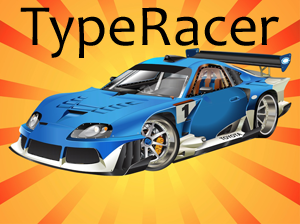
The blue car above is your car. In this TypeRacer / Type Racer game, you should type the words you see just below the game canvas. You should type the words in the input box given below the game canvas. Once you finish typing a line, you will see the next line. Keep typing and keep your competitors behind you.
To select / change difficulty level, please type / press 1, 2, or 3 on your keyboard when you see the game over screen.
You must type fast to win in this TypeRacer / Type Racer game. But every mistake will heavily reduce the chance of winning this game. So, try your best to avoid making mistakes.
In the easy level, you must score minimum 26 words per minute to win. In the medium level, minimum 46 words per minute is required. But in the hard level, you need minimum 81 words per minute to win.
Virtual Gold Medals: If you score more than 80 words per minute, you will get three virtual gold medals which is the highest rank in this game. If you are winning three virtual gold medals every time, you surely have professional typing skill which is a desired skill for many people. But you get two virtual gold medals if score between 61 and 80. Finally, you get only one gold medal for scoring between 46 and 60.
1. Typing Practice » Beginner Level » Home Row (1 - 17)
Practice Lesson 1: Index fingers: J and F
Practice Lesson 2: Middle fingers: K and D
Practice Lesson 3: Review: JFKD
Practice Lesson 4: Ring fingers: S and L
Practice Lesson 5: Pinkie fingers: A and ;
Practice Lesson 6: Index fingers: G and H
Practice Lesson 7: Back and forth
Practice Lesson 8: Left hand keys 1
Practice Lesson 9: Left hand keys 2
Practice Lesson 10: Right hand keys 1
Practice Lesson 11: Right hand keys 2
2. Typing Practice » Beginner Level » Top Row (18 - 32)
Practice Lesson 18: Index fingers: R and U
Practice Lesson 19: Middle fingers: E and I
Practice Lesson 20: Ring fingers: W and O
Practice Lesson 21: Pinkie fingers: Q and P
Practice Lesson 22: Index fingers: T and Y
Practice Lesson 23: Back and forth
Practice Lesson 24: All left hand 1
Practice Lesson 25: All left hand 2
Practice Lesson 26: All right hand 1
Practice Lesson 27: All right hand 2
3. Typing Practice » Beginner Level » Bottom Row (33 - 46)
Practice Lesson 33: Index fingers: V and M
Practice Lesson 34: Middle fingers: C and ,
Practice Lesson 35: Ring fingers: X and .
Practice Lesson 36: Pinkie fingers: Z and /
Practice Lesson 37: Index fingers: B and N
Practice Lesson 38: Back and forth
Practice Lesson 39: All left hand 1
Practice Lesson 40: All left hand 2
Practice Lesson 41: All right hand 1
Practice Lesson 42: All right hand 2
4. Typing Practice » Beginner Level » Miscellaneous (47 - 68)
Practice Lesson 47: Review 1: Left hand words
Practice Lesson 48: Review 2: Right hand words
Practice Lesson 49: Review 3: Alternating hand words
Practice Lesson 50: Capitals 1
Practice Lesson 51: Capitals 2
Practice Lesson 52: Capitals 3
Practice Lesson 53: Capitals 4
Practice Lesson 62: Numeric Keypad 1
Practice Lesson 63: Numeric Keypad 2
Practice Lesson 64: Numeric Keypad 3
Practice Lesson 65: Numeric Keypad 4
Practice Lesson 66: Easy Words
Practice Lesson 67: Easy Words
Practice Lesson 68: Easy Words
5. Typing Practice » Intermediate Level (69 - 110)
Practice Lesson 69: Common Letter Combinations - CK
Practice Lesson 70: Common Letter Combinations - CH
Practice Lesson 71: Common Letter Combinations - PH
Practice Lesson 72: Common Letter Combinations - GH
Practice Lesson 73: Common Letter Combinations - TH
Practice Lesson 74: Common Letter Combinations - DG
Practice Lesson 75: Common Letter Combinations - ION
Practice Lesson 76: Common Letter Combinations - OUS
Practice Lesson 77: Common Letter Combinations - ATE
Practice Lesson 78: Common Letter Combinations - QU
Practice Lesson 79: Common Letter Combinations - IAL
Practice Lesson 80: Common Letter Combinations - ENT
Practice Lesson 81: Common Letter Combinations - ER
Practice Lesson 82: Common Letter Combinations - GRA
Practice Lesson 83: Common Letter Combinations - OR
Practice Lesson 84: Common Letter Combinations - ABLE
Practice Lesson 85: Common Letter Combinations - IC
Practice Lesson 86: Common Letter Combinations - EI
Practice Lesson 87: Common Letter Combinations - ACY
Practice Lesson 88: Common Letter Combinations - EX
Practice Lesson 89: Common Letter Combinations - ON
Practice Lesson 90: Common Letter Combinations - IN
Practice Lesson 91: Common Letter Combinations - ING
Practice Lesson 92: Common Letter Combinations - ARY
Practice Lesson 93: Common Letter Combinations - LY
Practice Lesson 94: Common Letter Combinations - GY
Practice Lesson 95: Common Letter Combinations - ED
Practice Lesson 96: Common Letter Combinations - AL
Practice Lesson 97: Common Letter Combinations - TRAN
Practice Lesson 98: Common phrase practice 1
Practice Lesson 99: Common phrase practice 2
Practice Lesson 100: Common phrase practice 3
Practice Lesson 101: Common phrase practice 4
Practice Lesson 102: Common phrase practice 5
Practice Lesson 103: Common phrase practice 6
Practice Lesson 104: Common phrase practice 7
Practice Lesson 105: Common phrase practice 8
Practice Lesson 106: Common phrase practice 9
Practice Lesson 107: Common phrase practice 10
Practice Lesson 108: Common phrase practice 11
Practice Lesson 109: Common phrase practice 12
Practice Lesson 110: Common phrase practice 13
6. Typing Practice » Advanced Level (111 - 144)
Practice Lesson 111: Using Right Hand SHIFT Key
Practice Lesson 112: Using Left Hand SHIFT key
Practice Lesson 113: Using Each SHIFT Key
Practice Lesson 114: Left hand only - short words
Practice Lesson 115: Left hand only - longer words
Practice Lesson 116: Right hand only - easy words
Practice Lesson 117: Right hand only - harder words
Practice Lesson 118: Words with alternate hands letters
Practice Lesson 119: Numbers and Special Characters - Left hand
Practice Lesson 120: Numbers and Special Characters - Right hand
Practice Lesson 121: Numbers and Special Characters - Left hand - More difficult
Practice Lesson 122: Numbers and Special Characters - Right hand - More difficult
Practice Lesson 123: Tongue twisters 1
Practice Lesson 124: Tongue twisters 2
Practice Lesson 125: Tongue twisters 3
Practice Lesson 126: Tongue twisters 4
Practice Lesson 127: Tongue twisters 5
Practice Lesson 128: Tongue twisters 6
Practice Lesson 129: Tongue twisters 7
Practice Lesson 130: Tongue twisters 8
Practice Lesson 131: Tongue twisters 9
Practice Lesson 132: Tongue twisters 10
Practice Lesson 133: Tongue twisters 11
Practice Lesson 134: Tongue twisters 12
Practice Lesson 135: Tongue twisters 13
Practice Lesson 136: Tongue twisters 14
Practice Lesson 137: Tongue twisters 15
Practice Lesson 138: Tongue twisters 16
Practice Lesson 139: Tongue twisters 17
Practice Lesson 140: Tongue twisters 18
Practice Lesson 141: Tongue twisters 19
Practice Lesson 142: Tongue twisters 20
Practice Lesson 143: The hardest words to type 1
Practice Lesson 144: The hardest words to type 2
7. Typing Practice » Miscellaneous (145 - 166)
Practice Lesson 145: Alphanumeric Typing Test: 1
Practice Lesson 146: Alphanumeric Typing Test: 2
Practice Lesson 147: Alphanumeric Typing Test: 3
Practice Lesson 148: Alphanumeric Typing Test: 4
Practice Lesson 149: Alphanumeric Typing Test: 5
Practice Lesson 150: Alphanumeric Typing Test: 6
Practice Lesson 151: Alphanumeric Typing Test: 7
Practice Lesson 152: Alphanumeric Typing Test: 8
Practice Lesson 153: Alphanumeric Typing Test: 9
Practice Lesson 154: Alphanumeric Typing Test: 10
Practice Lesson 155: English Alphabet Typing Test
Practice Lesson 156: ASDF JKL; - Home-Row Practice
Practice Lesson 157: QWERT YUIOP - Top-Row Practice
Practice Lesson 158: ZXCVB NM,./ - Bottom-Row Practice
Practice Lesson 159: Left Hand Typing Practice
Practice Lesson 160: Right Hand Typing Practice
Practice Lesson 161: Symbols & Special Character
Practice Lesson 162: Numbers & symbols
Practice Lesson 163: Random Word Typing
Practice Lesson 164: Common Word Typing
Practice Lesson 165: Legal Typing Test
Practice Lesson 166: Medical Typing Practice
Practice Lesson 167: Home-Row Typing Practice Words
Practice Lesson 168: Home-Row and Upper Row Typing Practice Words
Online Typing Test in English
1 Minute Typing Test
2 Minute Typing Test
3 Minute Typing Test
5 Minute Typing Test
10 Minute Typing Test
10 Typing Games / Typewriting Games






Bookmark This Page (Ctrl + D)


Typing Test — Top 10 (ten) World Ranking
Get an online typing test certificate now
Please note: We may delete certificates older than 6 (six) months.
Best Score | World Ranking | Countrywise Ranking
Get a Certificate | Register | Log In
WPM = Words per minute
| Sl. | Name | Level | Net WPM | Accuracy | Country |
|---|---|---|---|---|---|
| 1. | Broderick Bagert | Professional | 111 | 99.10% | United States |
| 2. | Farhan | Professional | 93 | 93.96% | Indonesia |
| 3. | Teoh You Le | Professional | 83 | 95.41% | Malaysia |
| 4. | Braeden Edward O'Daniel | Fast | 68 | 97.13% | United States |
| 5. | Laura Elizabeth Ewing | Fast | 67 | 94.38% | United States |
| 6. | Laura Elizabeth Ewing | Fluent | 60 | 93.79% | United States |
| 7. | Laura Elizabeth Ewing | Fluent | 59 | 90.77% | United States |
| 8. | Laura Elizabeth Ewing | Fluent | 56 | 93.29% | United States |
| 9. | Laura Elizabeth Ewing | Fluent | 53 | 82.87% | United States |
| 10. | Osama Abbas hussain | Fluent | 47 | 100.00% | Pakistan |
How we grade your typing speed:
| Level | Net WPM |
|---|---|
| Slow | 0 - 25 |
| Average | 26 - 45 |
| Fluent | 46 - 60 |
| Fast | 61 - 80 |
| Professional | 80+ |
Performance Graph — Based on top 10 (ten) world ranking
Typing Test — Last 25 Practice Results
Get an online typing test certificate now
Please note: We may delete certificates older than 6 (six) months.
Best Score | World Ranking | Countrywise Ranking
Get a Certificate | Register | Log In
The following list shows how some users of this website have performed within last 24 hours.
WPM = Words per minute
How we grade your typing speed:
| Level | Net WPM |
|---|---|
| Slow | 0 - 25 |
| Average | 26 - 45 |
| Fluent | 46 - 60 |
| Fast | 61 - 80 |
| Professional | 80+ |
Performance Graph — Based on last 25 results
Free Typing Race for Beginners
Imagine sitting at your computer, your fingers hovering above the keyboard, feeling the little thrill of a countdown. Three. Two. One. And suddenly the words begin to scroll across the screen as fast as your eyes can read them. Your only goal? Keep up. Do not fall behind. Hit the correct keys as quickly as possible. And maybe, just maybe, try to beat the person racing next to you. This is the excitement of a free typing race. It feels like a game, but at the same time, you are training your brain, your fingers, and your typing speed without even realizing it. That is the magic. Most people think typing practice has to feel like schoolwork. But what if the fastest way to get better is simply to play?
Before we go deeper, here is something to think about. Many beginners struggle with typing not because they are slow, but because they were never taught the right way to practice. There is a difference between just typing and training your typing muscles. So how does a free typing race change that? And how can something this simple quickly boost your typing speed and accuracy? That is what we will uncover as we go through this guide. By the time you finish reading, you will know exactly how to start, how to practice daily, and how to actually enjoy learning to type faster, even if you feel slow right now.
Understanding What a Free Typing Race Is
A free typing race is an online interactive activity where you compete against others or yourself to type words as quickly and accurately as possible. It is simple. The screen shows a sentence or a paragraph. You try to type it. The timer records how fast you go. When you finish, you get a score. This score is usually given in WPM, which means words per minute. The higher your WPM, the faster you type. But something very important to understand is that accuracy matters just as much as speed. Speed without accuracy does not help in real life. Pressing the wrong keys again and again means correcting mistakes, which slows you down.
A free typing race is helpful because it gives you instant feedback. If you make mistakes, you see them right away. If you speed up and start hitting more errors, you can slow down just a bit. The race format forces your brain to think quickly, and your fingers learn the patterns on the keyboard through repetition. This is how typing skills improve naturally.
Why Free Typing Race Games Are So Effective
When learning something new, the biggest challenge is staying motivated. Typing might sound boring. However, turning practice into a race transforms it into something fun and challenging. Here are some reasons why:
First, racing gives you a goal. You are not just typing. You are trying to beat a score. It could be your own best score. It could be a friend’s score. Or it could be a stranger racing with you online. Goals make practice exciting.
Second, free typing race games trigger a natural human instinct: competition. We like to win. Even when the victory is small, like improving two words per minute, we feel good about it.
Third, racing keeps you focused. When you are in a typing race, your mind cannot wander. You have to pay attention, or you fall behind. This deep concentration builds real skill faster.
Fourth, each race is short. This makes practice easier to start. Doing something for just one minute feels easy. But one minute repeated many times builds strong typing habits.
A Simple Example of How Practice Works
Imagine that Sarah types at 20 words per minute. She wants to reach 40 words per minute. If Sarah simply types random paragraphs without any challenge, she might get bored. But when she enters a free typing race, she sees other players typing faster. It motivates her. She tries to catch up. Her fingers move quicker. She begins to memorize key positions. After a few days of races, she notices she is typing faster without trying as hard. Her brain and hands adapted simply because the races made her practice.
This is how skill increases when fun and repetition work together.
The Benefits of Using a Free Typing Race
Improves Speed. The more you race, the faster you get. It is that simple. The race environment pushes you to increase your natural pace without overthinking.
Improves Accuracy. To win, you must be accurate. Mistakes slow you down. So you naturally pay attention to correct keys and finger placement.
Builds Muscle Memory. Your fingers begin to remember where keys are automatically. This is what makes typing feel effortless.
Boosts Confidence. Many beginners feel embarrassed when typing slowly. But when you see real progress from race to race, it builds confidence.
Makes Practice Fun. When learning feels fun, you do more of it. When you do more of it, you improve much faster.
Helps With Daily Tasks. Faster typing makes homework, emails, chatting, gaming, and work feel easier and quicker.
Starting Your Free Typing Race Journey
Now that you understand why this works, let’s walk through exactly how to begin improving your typing using free typing race practice.
Step 1: Sit Correctly
Sit straight. Keep your feet flat. Keep your wrists slightly above the keyboard. Good posture makes typing easier and prevents tired hands.
Step 2: Put Your Fingers in the Right Position
Place your fingers on the home row. The home row is the middle row of keys where your fingers should rest. For example, your left fingers sit on A S D F and your right fingers sit on J K L ;. This position is like a starting point for every typing movement.
Step 3: Start Slow
You do not have to be fast at first. The goal is to type the correct keys without looking. Looking at the keyboard slows progress. Try keeping your eyes on the screen even if it feels difficult.
Step 4: Join a Free Typing Race
Choose a typing race game online. Click start. Try to finish the race carefully. Do not worry if you finish last. The goal is to learn, not to win right away.
Step 5: Repeat Every Day
Daily practice matters more than long practice. Even 5 minutes a day leads to big improvements over time.
How Much You Can Improve Over Time
Many beginners start around 15 to 30 words per minute. With daily free typing race challenges, beginners commonly increase their speed by 10 to 25 words per minute within the first few weeks. Some even double their speed. It depends on consistency. The more often you race, the better you get.
Think of it like learning to ride a bicycle. At first it feels awkward. But with repetition, it becomes something your body just knows how to do.
How to Track Your Progress
One of the best parts of a free typing race is that it records your progress. Pay attention to:
Your words per minute score
Your accuracy percentage
How often you improve each week
Seeing these numbers grow feels rewarding. It helps you stay motivated.
Free Typing Race Practice Tips
Do multiple short races each day instead of one long session. Short bursts of training help your brain learn better.
Try racing with other people. Competing with real players helps you push a little faster.
Focus on accuracy before speed. When your accuracy improves, speed comes naturally.
Do not worry about mistakes. Everyone makes mistakes when learning. What matters is practice.
Try different difficulty levels. Some races use simple words. Others use sentences. Switching helps you adapt to real-world typing.
A Story to Inspire You
When Michael first tried a free typing race, he typed at 22 words per minute. He felt frustrated. He saw other players typing at 60, 70, and 100 words per minute. But instead of giving up, he tried to beat his own score one step at a time. First, he aimed for 25. Then 28. Then 30. Every victory felt exciting. After a few weeks of daily races, he reached 40 words per minute. Then 50. Then one day, he hit 60. What once felt impossible became completely normal. He did not memorize the keyboard. He learned it naturally through racing.
You can do the same. Your improvement might be faster than you imagine.
Why Beginners Should Choose a Free Typing Race
A free typing race works especially well for beginners because it does not feel like studying. Learning feels like playing. And when something feels enjoyable, we naturally do it more. When learning becomes consistent, improvement becomes unstoppable.
Common Questions Beginners Have
Question: What if I am very slow?
Answer: That is okay. Everyone starts somewhere. A free typing race is designed to help you improve step by step.
Question: Should I look at the keyboard?
Answer: Try not to. Even if you make mistakes at first, your fingers learn faster when your eyes stay on the screen.
Question: How long should I practice?
Answer: Five to ten minutes each day is enough to see progress.
Question: Will I actually see improvement?
Answer: Yes. Your speed and accuracy will grow as your fingers learn patterns.
How Free Typing Race Helps in Real Life
Typing faster saves time whenever you use a computer. Imagine finishing homework faster. Imagine writing emails quicker. Imagine chatting online without delays. Typing well makes everything involving writing easier, smoother, and quicker. It is a small skill that has a big effect on daily life.
Creating Your Personal Practice Routine
Here is a simple schedule you can follow:
Do three free typing race sessions in the morning.
Do two more in the afternoon.
Do one last race before bedtime.
Each session takes less than a minute. That means your entire daily typing practice could take less than ten minutes. But the improvement you will see from that small amount of time can be huge.
Staying Motivated and Growing
Appreciate your progress. Even one extra word per minute is a victory. Improvement is not about sudden jumps. It is about small steps repeated again and again. Free typing race practice is one of the easiest ways to build speed without stress.
Building Confidence Through Consistent Practice
Confidence is one of the biggest hidden benefits of joining a free typing race regularly. When you start, you might feel uncertain, slow, or nervous. That is normal. But as you practice every day, even for short sessions, you begin to see measurable progress. Maybe your words per minute increase by a small amount. Maybe your accuracy improves by a few percentage points. These small wins create motivation. You start to feel proud and capable. Confidence is not something that appears instantly. It grows little by little through repeated success. Free typing race activities allow you to see these improvements in real-time, which builds confidence faster than many other typing practice methods.
How Competition Helps You Type Faster
Competition does something powerful to your brain. It makes you focus. When you know you are racing others, even strangers online, your mind becomes sharper. You pay attention to every keystroke. You try to beat your previous score. The competition does not have to be intense. Even a friendly challenge helps you activate more focus and energy. For example, if you normally type at 25 words per minute and you join a free typing race against someone typing at 30, you will naturally push yourself to go a little faster. Even if you do not win, just pushing yourself helps train your fingertips and mind to respond more quickly.
How to Stay Relaxed While Racing
One of the most common problems beginners face in a free typing race is stress. When the words start moving and the timer begins, your heart may start beating faster. You might feel pressure to go faster than you are ready for. The key to improvement is learning how to stay calm. Take a deep breath before starting the race. Focus on accuracy first. If you stay accurate, your speed will rise without you forcing it. Think of it like driving a car. If you go too fast before learning control, you might crash. But if you learn smooth control first, speed comes naturally later. Typing works the same way.
Practicing With Different Word Styles
Different free typing race games use different word lists. Some races use short everyday words. Others use longer sentences or even quotes from books. Practicing with different styles helps your brain adapt to multiple situations. For example, if you only practice simple words like cat and dog, you will improve but only in that environment. When you try sentences like The sunlight shimmered across the water, you may struggle. Switching between different formats makes you flexible. Flexibility is important because real-life typing involves many types of words and patterns.
Understanding the Role of Rhythm
Typing is not just about pressing keys. It is about rhythm. When you find your typing rhythm, typing becomes smooth. Your fingers start flowing without stopping between letters. A free typing race helps you find this natural rhythm by giving you a steady pace to follow. You try to keep up with the moving words, and over time, your fingers learn to move in a smooth pattern. Think about how dancers follow music. Typists follow rhythm too. Once rhythm clicks, typing becomes easier, faster, and more enjoyable.
Why Finger Placement Matters More Than You Think
Most beginners never learn proper finger placement. They use two or three fingers and look down at the keyboard constantly. This slows everything down. Free typing race practice works best when you use all ten fingers and place them on the home row. It may feel uncomfortable at first. It may feel slow. But it is the fastest way to improve in the long run. Once your fingers learn where every key is, you no longer have to think about typing. It becomes automatic. Automatic typing is fast typing.
Using Small Challenges to Build Big Improvement
Instead of thinking about doubling your speed quickly, think about beating your personal best by a small amount. For example, if you type at 20 words per minute, try reaching 21. Once you reach 21, aim for 22. These small challenges are easier to accomplish. Each time you improve even by one word per minute, it feels like a victory. These small wins create a sense of ongoing success, which keeps you motivated. A free typing race environment is perfect for this because it measures your speed after every attempt.
How Music Can Improve Typing Focus
Some people find that listening to calm background music helps them stay focused during typing practice. Soft beats, lo-fi music, or instrumental tracks can help your mind block out distractions. However, avoid music with lyrics when racing. Lyrics might distract your brain because you are processing words while typing other words. Instrumental music supports focus because it sets a rhythm without interrupting your thoughts. You can experiment during your free typing race sessions to find what helps you focus best.
Why Taking Breaks Helps You Improve Faster
Many beginners think that practicing nonstop will make them improve faster. But your hands and brain need short breaks. If you feel tired, frustrated, or stuck, doing more practice will not help. It may even cause more mistakes. After doing several free typing race sessions, take a one-minute break. Shake out your hands. Relax your shoulders. Close your eyes for a moment. This reset helps your mind and muscles recover. When you return to typing, you will feel fresh and ready.
Using Visualization to Type More Smoothly
Visualization is a technique where you imagine what you want to achieve before you do it. Before starting your free typing race, picture your fingers moving smoothly across the keyboard. Imagine not panicking when the timer starts. Imagine yourself staying calm and accurate. This small mental exercise helps your brain feel prepared. Even athletes use visualization to improve performance. You can do the same with typing.
How to Stay Motivated When Progress Feels Slow
Some days you might feel like your typing is not improving. This is normal. Skills improve in waves, not in a straight line. One day you might type faster. The next day you might feel slower. But the overall trend will be upward as long as you practice consistently. It helps to look at your progress over weeks, not days. A free typing race makes this easier because it records your scores. When you compare your speed from last month to now, you will likely see a clear improvement.
Encouraging Others to Join You
Typing becomes even more fun when you practice with others. You can invite a friend, sibling, or classmate to join a free typing race. Friendly competition adds laughter, encouragement, and excitement. You can even set shared goals, like reaching the same words per minute target. Learning with others helps you stay committed and makes the journey more enjoyable.
The Journey Matters as Much as the Result
Typing fast is a useful skill that helps in everyday tasks. But the journey of improving your typing can also be fun, rewarding, and full of small victories. Every race teaches your fingers something new. Every mistake teaches you how to improve. Every small improvement builds towards something bigger. A free typing race turns learning into a playful challenge. And with time, you will look back and realize how much progress you made simply by racing one small step at a time.
Final Thoughts
Typing is a skill you will use throughout your entire life. It helps in school, work, and everyday communication. With a free typing race, improving your speed does not have to be boring. It can be fun. It can be exciting. It can be something you look forward to. And the best part is that every race pushes you forward.
If you want to type faster, start today. Join a free typing race. Try your best. And watch yourself grow, one race at a time.
More Resources
- Game Keyboard Test for Speed and Accuracy
- Best CGL Typing Test Practice for Beginners
- Improve Speed with 10 Finger English Typing Test
- Free Online Average Typing Speed Test for Beginners
- Best Online Test Typing Test for Beginners
- Typing Master Speed Test Online Free Practice
- English Letter Typing Practice for Beginners
- Best English Typing Test for CPCT Practice Online
- Best Symbols Typing Practice for Beginners Online
- Master Speed With Typing Test Monkey Type