Learning to Type Games for Beginners




168 Typing Practice & Free Typing Lessons. Try Now.
1. Keyboard Games: Nitro Type
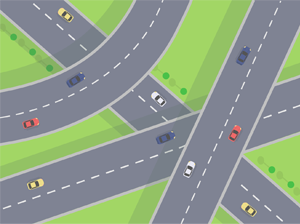
Nitro Type Race is probably the most famous among all free typing games. It is a typing car race game.
In this game, you own the yellow car. The car will be running ahead until the game ends. Once you select your favorable difficulty level, the game will begin. You will see several cars around your car. On each car, you will see a word.
If you target a car and type the word on it, the enemy car will be destroyed. What if you type a letter incorrectly? Your enemy car will fire at you and your car will be damaged. If enemy cars keep damaging your car, you will eventually lose the game.
If you are winning in the beginner level every time, you should try the upper level that is more difficult and requires faster typing speed.
If you want to practice paragraph typing games racing, you should try our TypeRacer game because this game only lets you type different words. There is no paragraph typing option in this game.
Play this fast typing game now
2. Keyboard Games: Ninja Cat
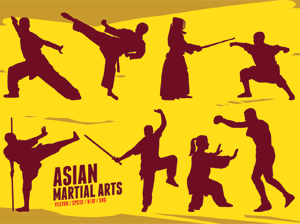
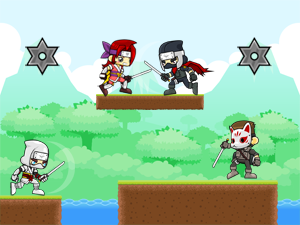
Although you will find Ninja Cat in free typing games, it is not very popular nowadays. Once upon a time, it was very popular in typing practice games.
In this typing practice game, the Ninja Cat fights on behalf of you. When you keep typing correctly, your Ninja Cat will keep attacking the other Ninja man. The man will eventually die. What if you make a mistake? The enemy will immediately attack you and you must take damage in such a case.
Keep typing properly until the result statistics are shown.
Play this fast typing game now
3. Keyboard Games: TypeRacer / Type Racer
TypeRacer is also very popular among free typing games. It is not as popular as the Nitro Type Race game but it is also a very popular typing car race game.
Are you looking for typing test paragraphs? In this game, you will get an opportunity to type paragraphs. There are several cars in this game. You own one of the cars. You will see a random paragraph. Your job is to type each word without making any mistakes. Besides being accurate, you must type fast. Slow typing and mistakes will contribute to losing the game.
You will notice that both accuracy and speed are important in most typing practice games.
Play this fast typing game now
4. Keyboard Games: ZType
Few free typing games could reach and hold the popularity of ZType. As far as we have seen, this game has been popular for 10+ years.
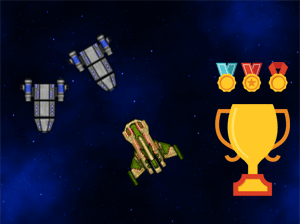
This is a space shooter game. Your task is to shoot down the enemy fighter jets. Each enemy fighter jet has a word around it. You finish typing this word and the enemy fighter jet gets destroyed. Then you target another fighter jet and type its word and then it gets destroyed too. This goes on until the game ends.
Although you are allowed to make mistakes in this game, every mistake will cost your typing words per minute score.
Play this fast typing game now
5. Keyboard Games: Zombie Typing Game Typocalypse
In the list of free typing games, the Zombie typing game was very popular once upon a time. You can see other zombie typing games in other websites too because it was very popular once upon a time. It is still somewhat popular nowadays.
The typing game online idea is pretty simple. Zombies will be approaching you. As soon as they are very near to you, they will immediately kill you. Do you want to kill or get killed? Every zombie brings a word with it. You shoot down the zombie by typing the word. Your job is to keep shooting the approaching zombies.
Other similar typing test games work in a very similar way.
Play this fast typing game now
6. Keyboard Games: Dance Mat Typing
It is also one of the most popular free typing games. It was originally developed by BBC and then others made their own versions of this game because of its high popularity.
Our fast typing game here does not totally match with that of the BBC game. In our version, you will find that a child will be dancing. You keep typing correctly, the child will keep dancing and balloons will fly one after another. You start typing incorrectly, the child stops dancing. So, you see this typing game online has a pretty simple idea.
Please note that this game has a long list of exercises. These exercises cover pretty much everything you need for your typing practice.
Play this fast typing game now
7. Keyboard Games: Keyboard Climber 2
10 (ten) years ago, there were many free typing games and Keyboard Climber 2 was a popular choice. Nowadays this game is not as popular as before.
In this typing game online, you have your player jump above and climb all the top levels. In each level, there is an enemy waiting for you. You type some random letters and you kill the enemy when you finish typing the random letters attached to the enemy. You do not need to take any action to jump upward. As soon as you kill an enemy by typing correctly, your player automatically jumps upward to fight with another enemy.
The only purpose of this game is to help the beginners learn alphabet typing.
Play this fast typing game now
8. Keyboard Games: Just Type This
This game does not take place in free typing games. It is an ordinary typing game.
It is a Mario typing game. It is also a platformer game where Mario keeps running and jumping and thus tries to avoid obstacles. There are many moving obstacles in this typing game online. If Mario hits a moving object, it will die immediately. Although Mario will probably get another life, you should be careful so that you do not make any typing mistake. Even if you make a mistake, keep your mistakes to the minimum number.
This game is basically for beginners who need to practice alphabet typing.
Play this fast typing game now
9. Keyboard Games: Flying Race
This typing game also does not expect any place in popularity in free typing games.
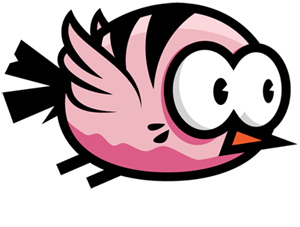
There are several birds in this game. You help one bird to fly fast and win this flying race. When you type fast and correctly, the speed of your bird increases. The speed increases so much that your bird flies past other birds to take the first position. What if you type slowly? What if you type incorrectly? In both these cases, the speed of your bird slows down and it keeps lagging behind. If your typing speed and accuracy does not improve immediately, the chance of your win quickly goes down.
To win in this fast typing game every single time, keep typing fast without making any mistakes.
Play this fast typing game now
10. Keyboard Games: Save The Child
Among all our free typing games, this game is the simplest.
A monster is chasing a child. A child is running for its life. You can help the child to save its life.
At the bottom of the game canvas, you will see a letter from the English alphabet. As soon as you type it, the game begins. Both the child and monster start running. As soon as you type the letters correctly, the child survives. If you keep making typing mistakes, the monster will approach the child fast and kill the child. Your typing speed and accuracy can cost the child's life.
The primary purpose of this typing game online is to help you master typing all letter fast from the English alphabet.
Play this fast typing game now
Bookmark This Page (Ctrl + D)


Typing Test — Top 10 (ten) World Ranking
Get an online typing test certificate now
Please note: We may delete certificates older than 6 (six) months.
Best Score | World Ranking | Countrywise Ranking
Get a Certificate | Register | Log In
WPM = Words per minute
| Sl. | Name | Level | Net WPM | Accuracy | Country |
|---|---|---|---|---|---|
| 1. | Broderick Bagert | Professional | 111 | 99.10% | United States |
| 2. | Farhan | Professional | 93 | 93.96% | Indonesia |
| 3. | Teoh You Le | Professional | 83 | 95.41% | Malaysia |
| 4. | Fluffy Toucan | Fast | 73 | 88.01% | Albania |
| 5. | Fluffy Toucan | Fast | 71 | 92.25% | Albania |
| 6. | Laura Elizabeth Ewing | Fast | 67 | 94.38% | United States |
| 7. | Laura Elizabeth Ewing | Fluent | 60 | 93.79% | United States |
| 8. | abdullah mashia | Fluent | 59 | 98.34% | Puerto Rico |
| 9. | Laura Elizabeth Ewing | Fluent | 59 | 90.77% | United States |
| 10. | Damyan Todorov | Fluent | 57 | 93.49% | Bulgaria |
How we grade your typing speed:
| Level | Net WPM |
|---|---|
| Slow | 0 - 25 |
| Average | 26 - 45 |
| Fluent | 46 - 60 |
| Fast | 61 - 80 |
| Professional | 80+ |
Performance Graph — Based on top 10 (ten) world ranking
Typing Test — Last 25 Practice Results
Get an online typing test certificate now
Please note: We may delete certificates older than 6 (six) months.
Best Score | World Ranking | Countrywise Ranking
Get a Certificate | Register | Log In
The following list shows how some users of this website have performed within last 24 hours.
WPM = Words per minute
How we grade your typing speed:
| Level | Net WPM |
|---|---|
| Slow | 0 - 25 |
| Average | 26 - 45 |
| Fluent | 46 - 60 |
| Fast | 61 - 80 |
| Professional | 80+ |
Performance Graph — Based on last 25 results
Learning to Type Games for Beginners
Imagine sitting down at your computer, ready to type something important, and your fingers suddenly freeze like they just forgot they belong to you. Your mind knows the words. Your eyes see the screen. But your hands? They are acting like confused little squirrels on a keyboard.
That is where learning to type games can change everything.
For many beginners, typing feels slow, awkward, and even a little embarrassing. You may press the wrong keys. You may look down every two seconds. You may type one sentence and feel like you just finished a workout. But here is the surprising part: learning to type does not have to feel like homework. It can feel like a game, a challenge, and a small daily win.
The real question is this: why do some beginners improve quickly while others stay stuck for months?
The answer is not magic. It is not expensive equipment. It is not being “naturally good” with computers. The answer often comes down to how you practice. And for many beginners, learning to type games make practice easier, more fun, and much more repeatable.
There is also a simple approach most beginners miss. Once you understand it, typing becomes much less scary. We will get to that soon. But first, let’s start with why learning to type games exist and why they can work so well for complete beginners.
The Journey From Slow Typing To Confident Typing
Typing is not just pressing keys on a keyboard. It is a teamwork skill between your eyes, your brain, and your fingers.
Your eyes look at the screen. Your brain understands the letters. Your fingers find the keys. When all three work together, typing feels smooth. But when one part is not trained yet, typing feels slow and clumsy.
That is normal.
Every confident typist started somewhere. Even the person who types super fast at work once had to search for the letter “Q” like it was hidden treasure. Nobody is born knowing the keyboard.
Learning to type games help beginners because they turn this awkward learning stage into something playful. Instead of staring at boring drills, you get goals, points, levels, timers, races, and progress. Your brain gets a reason to stay interested.
And that matters.
If practice feels boring, most people quit. If practice feels like a game, people come back. That is why learning to type games are so useful for beginners. They do not just teach typing. They help you keep practicing long enough to actually improve.
Why Many People Struggle With Typing At First
A lot of beginners think typing fast is all about moving their fingers quickly. That sounds logical, but it is not the full truth.
Fast typing begins with accurate typing.
If your fingers hit the wrong keys, speed will not help. It will only create more mistakes. You will type faster, delete faster, fix faster, and get frustrated faster. That is not fun. That is keyboard chaos.
The real typing skill is knowing where the keys are without looking down. It is learning which finger should press which key. It is building a steady rhythm. It is trusting your fingers.
Think about learning to ride a bike. At first, you think about everything. Balance. Pedals. Brakes. Steering. Not crashing into your neighbor’s mailbox. But after practice, your body remembers what to do.
Typing works the same way.
At first, every key feels like a decision. Where is “R”? Which finger presses “M”? Why is the semicolon even here? But with practice, your fingers begin to remember. Learning to type games help train this memory through repetition.
The best part is that the repetition does not feel as boring because the game gives you a reason to keep going.
The Real Reason Learning To Type Games Work So Well
Here is something important. People usually learn better when they are actively doing something, not just reading about it.
If you read a typing lesson, you may understand the idea. But when you play a typing game, you are using your eyes, brain, and fingers at the same time. That active practice helps the skill stick.
Learning to type games work because they keep you involved. You are not just watching someone type. You are typing. You are making choices. You are correcting mistakes. You are trying again.
That “trying again” part is huge.
Games are built around feedback. You press the right key, and something good happens. You make a mistake, and the game shows you. You finish a level, and you feel progress. That small reward makes your brain want to continue.
This is why learning to type games can help both kids and adults. Kids enjoy the fun. Adults enjoy the progress. Everyone enjoys feeling like they are getting better.
And when typing practice feels good, you are much more likely to do it again tomorrow.
What Makes A Good Learning To Type Game
Not all typing games are equally helpful. Some are fun but do not teach much. Some are educational but feel as exciting as watching paint dry. A good typing game should do both. It should teach and keep you interested.
A good learning to type game should start simple. It should not throw huge paragraphs at a complete beginner on day one. That would be like asking someone to run a marathon after walking to the mailbox.
It should give clear finger placement guidance. Beginners need to know where their fingers should rest and which keys each finger should press.
It should increase difficulty slowly. First letters. Then simple words. Then short phrases. Then full sentences. Then timed practice.
It should give instant feedback. You need to see your mistakes, your accuracy, and your words per minute. Without feedback, you are practicing in the dark.
It should include short practice rounds. Beginners do better with short sessions because the brain gets tired quickly when learning a new skill.
And of course, it should feel fun. That is the whole reason learning to type games are so powerful.
For example, imagine a game where you drive a race car by typing words correctly. Each correct word makes your car move faster. Each mistake slows you down a little. Your brain thinks, “I need to win this race.” But your fingers are quietly learning where the keys are.
That is the magic.
Starting With The Home Row
Before jumping into exciting typing games, every beginner should understand the home row.
The home row is the middle row of the keyboard where your fingers rest naturally. For your left hand, the main keys are A, S, D, and F. For your right hand, the main keys are J, K, L, and semicolon.
These keys are your typing home base.
Many learning to type games begin with the home row because it gives your fingers a starting point. Once your fingers know where home is, they can move to other keys and come back without getting lost.
Place your fingers gently on the home row. Do not press hard. Just rest them there.
Your left pinky rests on A. Your left ring finger rests on S. Your left middle finger rests on D. Your left index finger rests on F. Your right index finger rests on J. Your right middle finger rests on K. Your right ring finger rests on L. Your right pinky rests on semicolon.
Now try typing this slowly without looking down:
It may feel strange at first. That is okay. Strange means your brain is learning.
Learning to type games often repeat home row letters until your fingers get comfortable. This may seem simple, but it builds the foundation for everything else.
Why The Home Row Feels Boring But Works Like Magic
Let’s be honest. Home row practice does not always feel exciting at first. Typing “asdf jkl;” again and again can feel like your keyboard is trying to put you to sleep.
But this stage matters.
The home row teaches your fingers where to begin. Without it, your hands float around the keyboard with no clear plan. That creates more mistakes and slower typing.
Think of home row like the center of a map. If you know where you are, every other place is easier to find. If you do not know where you are, even simple directions become confusing.
Learning to type games make home row practice more interesting by turning it into a challenge. Instead of repeating random letters with no purpose, you might pop balloons, collect stars, race cars, or unlock levels.
The action is simple. But the result is powerful.
Once your fingers feel comfortable on the home row, the rest of the keyboard becomes much easier to learn.
How Learning To Type Games Build Muscle Memory
Muscle memory sounds fancy, but the idea is simple.
When you repeat an action many times, your body starts to remember it. You do not have to think as much. The movement becomes automatic.
This is why you can tie your shoes without thinking about every tiny step. This is why people can play piano, ride bikes, or shoot basketballs after enough practice. Their bodies learned the pattern.
Typing is the same.
At first, you think, “Where is the letter T?” Later, your finger just moves there. You do not need a meeting with your brain. Your finger already knows.
Learning to type games build muscle memory because they repeat letters, words, and patterns in small bursts. You may type the same common letters many times, but because the game is moving, you do not feel trapped in a boring drill.
This is especially helpful for beginners. Your fingers need repeated practice, but your brain needs something fun enough to keep going.
That is why learning to type games are such a smart tool. They sneak repetition into play.
How To Use Learning To Type Games In Daily Practice
One of the biggest mistakes beginners make is practicing too much at once.
They sit down and say, “Today I will learn typing for one full hour.” Ten minutes later, their fingers are tired, their brain is bored, and they never want to see a keyboard again.
That is not the best way.
Short daily practice works better.
Try practicing for ten to fifteen minutes a day. That is enough time to improve but not so much that you feel exhausted. Your brain learns well through frequent small sessions.
Here is a simple beginner routine.
For the first few days, focus on home row learning to type games. Your goal is not speed. Your goal is comfort.
After that, introduce top row keys like Q, W, E, R, T, Y, U, I, O, and P. Go slowly. Let your fingers learn the new movement.
Then move to bottom row keys like Z, X, C, V, B, N, and M. These may feel harder because your fingers have to reach downward.
Next, practice simple words. Words feel more useful than random letters because they look like real typing.
After two weeks, start playing learning to type games with short sentences. This helps you connect letters into real communication.
After a month, try timed games, paragraph games, and accuracy challenges.
The key is simple: small steps, every day.
A Simple 15-Minute Typing Game Routine
If you do not know where to start, use this easy routine.
Start with three minutes of warm-up. Play a simple home row game. Keep your fingers relaxed. Do not worry about speed.
Then spend five minutes on accuracy practice. Choose a game that shows letters or short words. Focus on correct keys. If you make mistakes, slow down.
Next, spend five minutes on a fun challenge. Try a racing game, a falling-letter game, or a timed word game. This is where practice feels exciting.
Finally, spend two minutes checking your score. Look at your accuracy first. Then look at your words per minute. Write down one small win, such as “I made fewer mistakes today” or “I typed three more words per minute.”
That is it.
You do not need a complicated plan. You need a repeatable plan. Learning to type games are useful because they make this routine simple and enjoyable.
Why Accuracy Comes Before Speed
Many beginners want speed right away. They want to type like someone in a movie, fingers flying across the keyboard like they are launching a rocket.
But speed without accuracy is a mess.
If you type fast and make many mistakes, you will spend extra time fixing errors. That slows you down in the end. Accuracy saves time.
Learning to type games often reward accuracy because accuracy builds the foundation for speed. If you can press the right keys without looking, your speed will naturally improve.
Think of it like learning a song on guitar. If you play too fast too early, it sounds messy. But if you play slowly and correctly, your hands learn the right pattern. Later, speed comes much easier.
Slow and correct becomes fast and smooth.
So when you play learning to type games, do not panic if your words per minute score is low at first. A beginner with high accuracy is on the right path. Speed will follow.
The Problem With Looking At The Keyboard
Looking at the keyboard feels helpful at first. You look down, find the key, press it, and move on.
But there is a hidden problem.
Every time you look down, you break your focus. Your eyes leave the screen. Your brain pauses. Your rhythm stops. Then you have to find your place again.
This makes typing slower.
Learning to type games can help you stop looking down because they keep your eyes busy on the screen. You have to watch the letters, words, targets, timer, or game action. This trains your eyes to stay up and your fingers to do the searching.
At first, this feels uncomfortable. You may make more mistakes for a little while. That is normal.
But after practice, your fingers start to remember the keys. That is when typing becomes much smoother.
A useful beginner trick is to cover your hands lightly with a small towel while practicing. You do not have to do this forever. Just use it for short practice rounds. It reminds your brain to trust your fingers.
Turning Typing Into A Fun Challenge
One secret to staying consistent is making practice feel like a challenge instead of a chore.
Learning to type games do this naturally.
You can try to beat your old score. You can race a timer. You can unlock a new level. You can compete against your own best performance. Even a tiny improvement feels good.
For example, maybe today you type 12 words per minute with 85 percent accuracy. Next week, you type 18 words per minute with 90 percent accuracy. That is real progress. You can see it.
Progress creates motivation.
Motivation creates practice.
Practice creates skill.
That is the loop.
And once you get into that loop, typing becomes much easier to stick with.
Examples Of Learning To Type Games For Beginners
There are many types of learning to type games. Each one helps in a different way.
Racing typing games are great for speed and excitement. You type words correctly to move your car, bike, boat, or character forward. These games make typing feel like a race. They are fun when you want energy and challenge.
Falling-letter games help with quick key recognition. Letters or words drop from the top of the screen, and you must type them before they reach the bottom. These games train your eyes and fingers to react faster.
Space typing games are popular because they feel like action games. You may type letters to destroy asteroids, aliens, or targets. These games are useful because they keep your attention locked on the screen.
Puzzle typing games are slower and calmer. You type correctly to unlock pieces, solve problems, or move through a level. These are great if you want accuracy practice without too much pressure.
Adventure typing games may ask you to move a character, open doors, collect items, or solve challenges by typing words. These games are helpful because they make typing feel like part of a story.
Paragraph typing games help you practice real-world typing. You type full sentences or short passages. These are great once you already know the keyboard and want to improve practical skill.
Trying different learning to type games keeps practice fresh. One game may help speed. Another may help accuracy. Another may help focus.
A mix is often best.
How Beginners Should Choose The Right Typing Game
Choosing the right game matters.
If the game is too easy, you may get bored. If the game is too hard, you may feel discouraged. The best game is slightly challenging but still possible.
Start with beginner-friendly learning to type games that teach home row keys. Look for games that explain finger placement. Avoid games that immediately demand fast typing.
Next, choose games that show accuracy scores. Accuracy is more important than speed at the beginning.
Also, choose games with short rounds. A two-minute challenge is better than a twenty-minute lesson when you are just starting.
If you are practicing for school or work, add sentence and paragraph games after you learn the letters. This helps you move from game practice to real typing.
If you are helping a child learn, choose colorful games with simple instructions. The game should feel playful, not stressful.
If you are an adult beginner, do not feel silly using games. Games are not just for kids. They are tools for practice. If they help you improve, they are doing their job.
Learning To Type Games For Kids
Kids often learn best when they are having fun. That is why learning to type games can be very effective for children.
A child may not want to sit through a long typing lesson. But they may gladly play a game where they save animals by typing letters or move a character by typing words.
The key is to keep practice short and positive.
For young kids, five to ten minutes may be enough. The goal is not to force speed. The goal is to build comfort with the keyboard.
Parents and teachers should praise effort, not just scores. Say things like, “You kept your eyes on the screen longer today,” or “You used the correct finger for that key.” This helps kids feel proud of the process.
Learning to type games can also help children build patience. They learn that mistakes are part of improvement. They try again. They get better.
And yes, they may also laugh when their little typing character crashes into a wall. That is part of the fun.
Learning To Type Games For Adults
Adults can benefit from learning to type games just as much as kids.
Many adults feel embarrassed about slow typing. Maybe they did not use computers much growing up. Maybe they type with two fingers. Maybe they avoid typing tasks because it takes too long.
If that sounds familiar, do not worry. It is never too late to learn.
Typing is a skill, not a talent. Skills improve with practice.
Learning to type games are useful for adults because they make practice feel less formal. You do not have to sit through a boring lesson. You can play a short game, see your score, and improve step by step.
For adults, the biggest challenge is often patience. You may want quick results because you need typing for work, email, forms, job applications, or online tasks.
But rushing will not help. Start with accuracy. Practice daily. Use games that show your progress. Within a few weeks, you will likely feel more comfortable.
Even small improvements can save time every day.
Learning To Type Games For School Practice
Typing is useful for students because so much schoolwork now happens on computers. Essays, research, emails, online tests, and assignments all become easier when typing feels natural.
Learning to type games can help students build this skill without making practice feel like extra homework.
A good school typing routine might include five minutes of home row practice, five minutes of word games, and five minutes of sentence games. That is enough for a daily practice session.
Students should focus on posture too. Sit straight. Keep feet on the floor. Keep wrists relaxed. Look at the screen. Use the correct fingers.
Teachers can make typing practice more exciting by using weekly challenges. For example, students can try to improve their own accuracy score instead of competing against everyone else. This keeps the focus on personal progress.
That is important because beginners improve at different speeds.
The goal is not to embarrass slow typists. The goal is to help every student get better.
Learning To Type Games For Work Skills
Typing is not just a school skill. It is a life skill.
At work, typing helps with emails, reports, customer messages, notes, forms, chats, and many computer tasks. Even if your job is not “typing,” you probably still type.
When typing is slow, simple tasks take longer. When typing is comfortable, work feels easier.
Learning to type games can help adults build job-ready typing skills by improving speed, accuracy, and confidence. A person who types comfortably can write messages faster, make fewer errors, and finish computer tasks with less stress.
If you are practicing for work, use games that include real words, sentences, and paragraphs. Letter games are great at first, but workplace typing usually involves full thoughts.
Try this simple method: play a typing game for ten minutes, then type a short real-world practice paragraph. Write about your day, your goals, or a fake email. This helps connect game practice to real use.
The more you practice, the more natural typing becomes.
Building Confidence One Small Win At A Time
Beginners often feel discouraged because they expect fast results. But typing improvement usually comes in small steps.
That is actually good news.
Small steps are easier to repeat.
Learning to type games are perfect for creating small wins. Maybe you finish one level. Maybe you beat your old score. Maybe you type a full sentence without looking down. Maybe your accuracy goes from 82 percent to 88 percent.
These small wins matter.
Confidence grows when you see proof that you are improving. You stop thinking, “I am bad at typing,” and start thinking, “I am getting better.”
That mindset makes a big difference.
Typing is not only about fingers. It is also about confidence. If you feel nervous, your hands tense up. If you feel calm, your hands move better.
Learning to type games help because they make practice feel safer. Mistakes happen inside the game. You can try again. Nobody needs to judge you. The keyboard is not going to call the police.
You just practice, improve, and continue.
Why Visual Design In Learning To Type Games Matters
The look and feel of a typing game can affect motivation.
A plain typing box may work for some people. But many beginners stay more engaged when the game has color, movement, characters, rewards, and clear progress.
Visual design helps because it makes practice feel less stressful. A friendly game can reduce the pressure beginners feel when they make mistakes.
For example, a game with floating balloons, moving cars, cute animals, or space targets gives your brain something fun to focus on. The typing still matters, but the experience feels lighter.
This is one reason learning to type games are especially helpful for beginners who get bored easily. The visuals keep attention alive.
However, the design should not be too distracting. If the screen is too crowded, beginners may lose focus. The best games are fun but clear. You should always know what to type next.
Good design supports learning. It does not hide it.
Creating A Comfortable Setup For Typing Practice
Your physical setup matters more than you may think.
If your chair is too low, your wrists may bend. If your keyboard is too far away, your shoulders may tense. If your screen is too high or too low, your neck may feel uncomfortable.
Discomfort makes practice harder.
Before playing learning to type games, take a moment to set up your space.
Sit with your back straight but relaxed. Keep your feet flat on the floor if possible. Keep your elbows close to your body. Your keyboard should be at a comfortable height. Your wrists should stay relaxed, not bent sharply upward or downward.
Do not pound the keys. Press them lightly. A keyboard is not a drum set, even if your fingers are feeling dramatic.
Also, keep the screen at a comfortable distance. You should not lean forward like a detective trying to read secret clues.
A comfortable setup helps your fingers move freely. It also helps you practice longer without feeling tired.
Developing A Steady Typing Rhythm
Typing has rhythm.
Good typing does not feel like random key smashing. It feels smooth and steady. Your fingers move from key to key with control.
Learning to type games can help you build this rhythm because many games use timed challenges. Words may appear one after another. Letters may move across the screen. A countdown may push you to keep going.
At first, a timer may feel stressful. But over time, it teaches you to stay calm.
The goal is not to panic-type. The goal is to find a steady pace.
Try this: when playing a typing game, breathe normally and keep your shoulders relaxed. If you make a mistake, do not slam the backspace key like it insulted your family. Just correct it and continue.
Smooth typing beats frantic typing.
Over time, your rhythm will improve. You will feel less stop-and-start. Your fingers will move more naturally.
Balancing Speed And Control
Speed is exciting. Control is powerful.
When you begin playing learning to type games, your first goal should be control. Control means pressing the correct keys with the correct fingers while keeping your eyes on the screen.
Once you have control, speed grows naturally.
If you chase speed too early, you may build bad habits. You may use the wrong fingers. You may look down too much. You may tense your hands. You may make extra movements that slow you down later.
Control builds a clean foundation.
Think of building a house. You would not decorate the roof before building strong walls. In typing, accuracy and control are the walls. Speed is the decoration that comes later.
The best learning to type games for beginners reward careful typing. They do not just celebrate fast typing. Look for games that show both speed and accuracy so you can improve in the right order.
Improving Focus And Avoiding Distractions
Typing requires concentration.
If your mind wanders, your fingers make mistakes. If your phone keeps buzzing, your rhythm breaks. If you are practicing with ten browser tabs open, your brain may try to escape through one of them.
Learning to type games help focus because they give you a clear task. Type this letter. Type this word. Finish this level. Beat this score.
Short challenges are especially helpful. A five-minute game can train focus without overwhelming you.
To improve even more, remove distractions before practicing. Put your phone away. Close extra tabs. Choose a quiet place if possible. Set a small goal for the session.
For example, say, “For the next ten minutes, I will focus on accuracy.”
That simple goal gives your brain direction.
You can also use breaks. Practice for five minutes, rest for one minute, then practice again. This keeps your mind fresh.
Tracking Progress To Stay Motivated
Progress feels great when you can see it.
Most learning to type games show your words per minute and accuracy percentage. These numbers help you understand your growth.
Words per minute shows how fast you type. Accuracy shows how many keys or words you typed correctly.
For beginners, accuracy matters more. A score of 15 words per minute with 95 percent accuracy is better than 25 words per minute with lots of mistakes.
Track your progress once or twice a week. You do not need to obsess over every score. Scores can change from day to day depending on tiredness, focus, and game difficulty.
Look for long-term improvement.
Maybe your first week average is 10 words per minute. A few weeks later, it is 18. Later, it becomes 25. That is progress.
Also track comfort. Are you looking down less? Are your hands more relaxed? Can you type longer without getting tired? These are wins too.
Learning to type games make progress visible, and visible progress keeps motivation alive.
Exploring Different Styles Of Typing Games
Different typing games train different skills.
Letter games help beginners learn key locations. These are great for early practice.
Word games help you connect letters into real typing. They also help you learn common patterns like “ing,” “the,” “and,” and “tion.”
Sentence games help with rhythm, spacing, punctuation, and capitalization.
Paragraph games help with real-world typing. These are useful for students, workers, and anyone who writes longer text.
Racing games build speed and excitement. Falling-word games build quick reaction. Puzzle games build accuracy and patience. Adventure games build engagement and motivation.
Switching between styles prevents boredom. It also helps you become a more complete typist.
For example, you might use a home row game on Monday, a word race on Tuesday, a sentence game on Wednesday, and a paragraph typing game on Thursday.
This keeps practice fresh while still building the same core skill.
Common Beginner Mistakes To Avoid
Beginners often make the same mistakes. The good news is that you can avoid them once you know what they are.
The first mistake is looking at the keyboard too much. It feels helpful, but it slows your progress. Try to keep your eyes on the screen as much as possible.
The second mistake is pressing keys too hard. Light presses are better. Your fingers should not feel like they are fighting the keyboard.
The third mistake is trying to type too fast too soon. This creates errors and stress. Focus on accuracy first.
The fourth mistake is practicing only once in a while. Typing improves best with regular practice. Ten minutes a day is better than one long session once a week.
The fifth mistake is ignoring posture. Poor posture can make typing uncomfortable and tiring.
The sixth mistake is quitting too early. Many beginners stop right before things start to click. Learning to type games help because they make the early stage more enjoyable.
Mistakes are not failure. They are feedback. Use them to improve.
How To Practice Without Getting Bored
Boredom is one of the biggest enemies of typing practice.
The solution is variety.
Use different learning to type games. Change the difficulty. Try new themes. Set small challenges. Practice with a friend or family member. Track your weekly score. Reward yourself after consistent practice.
You can also connect typing to real life.
After playing a typing game, type a short message to yourself. Write three sentences about your day. Type a grocery list. Type a short story about a dog who becomes mayor. It does not matter if it is silly. Silly practice still counts.
The more you use typing in different ways, the more natural it becomes.
Learning to type games are the fun doorway. Real typing is the long-term skill.
A Beginner-Friendly Weekly Practice Plan
Here is a simple weekly plan for beginners.
On Monday, practice home row games. Focus on finger placement and comfort.
On Tuesday, practice top row games. Go slowly and keep your eyes on the screen.
On Wednesday, practice bottom row games. These keys may feel harder, so be patient.
On Thursday, play word typing games. Focus on accuracy and smooth movement.
On Friday, play sentence typing games. Pay attention to spaces, capital letters, and punctuation.
On Saturday, play a fun challenge game like a race, space shooter, or adventure typing game.
On Sunday, do a light review. Check your scores and notice what improved.
This plan keeps things simple. You do not have to follow it perfectly. The point is to practice different typing skills during the week.
Learning to type games work best when practice becomes a habit.
How Long Does It Take To Learn Typing?
This is one of the most common beginner questions.
The answer depends on your starting point, practice time, and goals.
If you practice ten to fifteen minutes a day, you may feel more comfortable within a few weeks. You may stop looking down as much. You may make fewer mistakes. Your fingers may begin to remember common keys.
To become much faster, it may take a few months of regular practice.
Typing is like exercise for your fingers and brain. You do not become strong after one workout. You become strong by showing up again and again.
Learning to type games can speed up the process because they help you stay consistent. The game keeps you interested. The scores show progress. The short rounds make practice easy to start.
The best timeline is simple: practice today, improve a little, repeat tomorrow.
That is how typing grows.
What Words Per Minute Should Beginners Aim For?
Beginners should not worry too much about words per minute at first.
Still, it helps to have a general idea.
A complete beginner may type under 15 words per minute. That is fine. Many people start there.
After consistent practice, beginners may reach 20 to 30 words per minute. With more practice, 40 words per minute becomes possible for many learners. Strong typists often type faster than that, but you do not need to rush.
For everyday tasks, accuracy and comfort matter a lot. Typing 35 words per minute with few mistakes can be very useful for school, work, and personal tasks.
When using learning to type games, aim for better accuracy first. Try to keep accuracy above 90 percent if possible. Then slowly work on speed.
Do not compare yourself too much to others. Compare today’s you with last week’s you.
That is the fair race.
Why Learning To Type Games Help With Spelling And Reading Too
Typing practice can also support spelling and reading skills.
When you type words again and again, you notice letter patterns. You see how words are built. You practice common endings and letter groups.
For example, words like “playing,” “working,” and “learning” all share the “ing” ending. Typing these patterns repeatedly helps your brain recognize them faster.
Learning to type games often show words on the screen while you type them. This connects seeing, reading, and finger movement. That can help beginners become more comfortable with written language.
This does not mean typing games replace reading or spelling lessons. But they can support them.
For kids, this can be especially helpful. For adults learning English or improving computer skills, it can also be useful.
Typing is more than a keyboard skill. It is a communication skill.
How To Make Typing Practice Feel Like A Game Even Outside Games
You can bring the game mindset into normal typing too.
Set a tiny challenge. For example, type one paragraph without looking at the keyboard. Or type a short email with fewer mistakes than yesterday. Or write five sentences in five minutes.
You can also create personal levels.
Level one: home row keys.
Level two: all letters.
Level three: simple words.
Level four: full sentences.
Level five: paragraphs.
Level six: timed writing.
Each level gives you something to work toward. This makes practice feel less random.
Learning to type games are great because they already include goals and rewards. But once you understand the idea, you can make almost any typing task more playful.
Even typing a shopping list can become practice.
Milk. Eggs. Bread. Bananas. Keyboard confidence.
Okay, maybe do not buy keyboard confidence at the store. But you can build it at home.
The Surprise That Makes Everything Easier
Now let’s come back to the simple approach we mentioned at the beginning.
Most people think typing is about controlling every finger movement.
But the real secret is this: stop overthinking and let your fingers learn through correct repetition.
At first, you need to pay attention. You need to learn finger placement. You need to slow down. But after that, the goal is to practice enough that your fingers begin to move automatically.
Learning to type games help because they give your fingers repeated chances to learn. You do not have to force every movement forever. With enough correct practice, your brain begins to trust your muscle memory.
That is the turning point.
Typing stops feeling like a hard task and starts feeling natural. Your eyes stay on the screen. Your fingers find the keys. Your mind focuses on the message instead of the keyboard.
That is when typing becomes useful, not just impressive.
Understanding How Your Brain Learns Through Repetition
When you play learning to type games regularly, your brain starts building patterns.
At first, every key is a small puzzle. You see the letter, think about its location, move your finger, press the key, and check if you were right.
That takes effort.
But after enough practice, your brain makes the path shorter. You see the letter, and your finger moves. Less thinking. More flow.
This is why repetition matters.
But not just any repetition. Correct repetition.
If you practice with poor habits, you may strengthen poor habits. If you practice with good finger placement and accuracy, you strengthen helpful habits.
Learning to type games are useful because they repeat common keys and words in a structured way. They also show mistakes quickly, so you can correct them before the habit becomes strong.
The brain loves patterns. Typing games give it patterns to learn.
Using Typing Games Without Becoming Dependent On Them
Learning to type games are excellent practice tools, but the final goal is real typing.
You want to type emails, schoolwork, job forms, messages, stories, notes, and documents with confidence.
So as you improve, balance games with real typing practice.
For example, spend ten minutes on typing games, then five minutes typing a short paragraph. You can write about what you learned, what you did today, or what you want to do tomorrow.
This helps your brain transfer game skills into real life.
A racing game may make you faster, but real writing teaches you to think and type at the same time. Both are useful.
Learning to type games open the door. Real typing helps you walk through it.
How Parents Can Help Beginners Practice
Parents can make typing practice easier by keeping it positive.
Do not turn typing into punishment. If a child hears, “Go practice typing because you are too slow,” they may feel bad before they even begin.
Instead, make it a fun routine.
Say, “Let’s play a typing game for ten minutes and see if you can beat your own score.”
Focus on progress, not perfection.
If a child makes mistakes, remind them that mistakes are part of learning. If they improve by even a little, celebrate it.
Parents should also help choose age-friendly learning to type games. The game should be easy to understand, safe to use, and not too frustrating.
The best practice happens when the child feels encouraged.
A calm learner improves faster than a stressed learner.
How Teachers Can Use Learning To Type Games
Teachers can use learning to type games to make keyboard practice more engaging in the classroom.
Instead of long lectures about typing, teachers can create short practice blocks. For example, five minutes of finger placement review, ten minutes of typing games, and five minutes of reflection.
Students can write down one thing they improved. Maybe they used the correct finger. Maybe they made fewer mistakes. Maybe they kept their eyes on the screen.
This helps students notice progress.
Teachers can also use personal goals instead of public ranking. Public leaderboards can motivate some students, but they may embarrass beginners. Personal best scores are often better.
The goal is to help every student improve from their own starting point.
Learning to type games make this easier because each student can practice at a level that fits them.
How To Know You Are Improving
Typing improvement is not always obvious day by day. Some days feel great. Some days feel like your fingers are wearing tiny roller skates.
Look for signs of progress over time.
You are improving if you look at the keyboard less often. You are improving if your accuracy score rises. You are improving if your hands feel more relaxed. You are improving if you can type longer without getting tired. You are improving if you recover from mistakes faster.
You are also improving if typing feels less scary.
Confidence is a real part of the skill.
Learning to type games make improvement easier to notice because they give scores, levels, and feedback. But do not let one bad score ruin your mood. Everyone has off days.
The long-term trend matters more.
What To Do When You Feel Stuck
Every beginner hits a plateau at some point.
A plateau means you are practicing, but your score does not seem to improve. This can be frustrating. But it does not mean you are failing.
Sometimes your brain is still building skill under the surface.
If you feel stuck, change your practice.
Slow down and focus on accuracy for a few days. Try a different typing game. Practice problem keys separately. Check your posture. Take short breaks. Make sure you are not rushing.
You can also review the basics. Home row practice may feel simple, but it often fixes hidden problems.
Learning to type games should challenge you, but not crush you. If a game feels too hard, step back to an easier level. That is not losing. That is smart practice.
Progress often returns after you adjust your routine.
The Role Of Patience In Typing Success
Typing rewards patience.
That may not sound exciting, but it is true.
You cannot force muscle memory in one day. You build it through repeated practice. Each session adds a little more skill. Each mistake teaches your brain something. Each small win builds confidence.
Learning to type games help because they make patience easier. They give you something fun to do while your brain and fingers slowly improve.
Think of typing like planting a seed. You do not yell at the seed to become a tree by Friday. You water it, give it light, and let it grow.
Your typing skill grows the same way.
Practice is the water. Accuracy is the sunlight. Games are the fun little garden gnome cheering you on.
Okay, maybe that image is silly. But silly things are easier to remember.
Why Typing Is A Skill Worth Learning
Typing helps in many parts of life.
Students type assignments. Workers type emails. Job seekers fill out applications. Friends send messages. Creators write scripts, blogs, stories, and posts. Families use computers for forms, accounts, shopping lists, and planning.
When typing is slow, these tasks feel harder. When typing is smooth, they feel easier.
That is why learning to type games are not just games. They are practice tools for a real-life skill.
Even a small improvement can save time every week. If you type faster and make fewer mistakes, you spend less time correcting errors. You also feel more confident using a computer.
Typing is one of those skills that keeps paying you back.
You learn it once, then use it for years.
Developing Good Habits For Long-Term Typing Success
Learning to type is not something you finish in one day. It is a skill that continues to improve over time.
Good habits make the journey easier.
Practice regularly, even if it is only a few minutes. Keep your fingers on the home row. Avoid staring at the keyboard. Use light key presses. Sit comfortably. Focus on accuracy. Track progress. Try different games. Celebrate small wins.
Learning to type games make these habits easier because they make practice enjoyable. When something is fun, you are more likely to repeat it.
And repetition is how typing becomes natural.
Do not worry if you feel slow at first. Slow is not bad. Slow is the beginning.
Every confident typist has been there.
Reaching The Point Where Typing Feels Natural
There comes a moment when typing no longer feels like hard work.
Your fingers start to glide across the keyboard. You do not think about every letter. You do not search for each key. You simply type.
This moment feels amazing because the keyboard stops being a wall and becomes a tool.
Learning to type games can help you reach this point faster because they make practice easier to repeat. The more often you practice correctly, the sooner your fingers build confidence.
Once typing feels natural, you can focus on your ideas instead of your hands. You can write faster. You can communicate better. You can finish computer tasks with less stress.
That is the real reward.
Not just a high score.
Real confidence.
Bringing It All Together
Learning to type games are one of the best ways for beginners to build typing skills because they make practice fun, active, and repeatable.
They help your fingers learn the keyboard. They train muscle memory. They improve focus. They give instant feedback. They make progress visible. Most importantly, they help you keep going.
Start with the home row. Focus on accuracy before speed. Practice in short daily sessions. Try different styles of typing games. Track your progress. Keep your hands relaxed. Do not give up when it feels awkward.
Typing may feel slow today, but that can change.
Your fingers can learn. Your brain can adapt. Your confidence can grow.
Every message you write, every document you create, every school assignment you finish, every job form you complete, and every idea you type becomes easier when your typing improves.
That is why spending a little time with learning to type games is worth it.
You do not need to be perfect. You just need to start.
One letter becomes one word. One word becomes one sentence. One sentence becomes real confidence.
And it all begins with one simple step: start practicing with learning to type games today.
More Resources
- Typing Master Speed Test Online Free Practice
- Best Keypad Typing Game for Beginners
- English Typing Test 40 WPM Passages Free Online
- Best Free Typing Test Car Game to Boost Your Speed
- Best Free Official Online Typing Test for Beginners
- Keyboard Teacher for Beginners: Learn Typing Fast
- Best Free Word Speed Test for Beginners
- Typing Speed Enhancer for Faster Daily Practice
- Free Typing Skills WPM Test for Beginners
- Long Typing Test for Beginners Online