Best Race Car Typing Test to Boost Your Typing Speed
9 more typing games: (1) Nitro Type (2) Ninja Cat (3) ZType (4) Zombie Typing Game Typocalypse (5) Dance Mat Typing (6) Keyboard Climber 2 (7) Just Type This (8) Flying Race (9) Save The Child
★★★ 168 Typing Lessons ★★★ $375 Course FREE (Limited Time Offer)
To play this game, just type the words inside the blue area under the game canvas.
Complete a Typing Test in 60 Seconds!
144 Free Typing Practice Lessons. Try Now.
Video Tutorial: How to play this game
How to play:

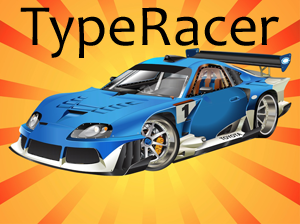
The blue car above is your car. In this TypeRacer / Type Racer game, you should type the words you see just below the game canvas. You should type the words in the input box given below the game canvas. Once you finish typing a line, you will see the next line. Keep typing and keep your competitors behind you.
To select / change difficulty level, please type / press 1, 2, or 3 on your keyboard when you see the game over screen.
You must type fast to win in this TypeRacer / Type Racer game. But every mistake will heavily reduce the chance of winning this game. So, try your best to avoid making mistakes.
In the easy level, you must score minimum 26 words per minute to win. In the medium level, minimum 46 words per minute is required. But in the hard level, you need minimum 81 words per minute to win.
Virtual Gold Medals: If you score more than 80 words per minute, you will get three virtual gold medals which is the highest rank in this game. If you are winning three virtual gold medals every time, you surely have professional typing skill which is a desired skill for many people. But you get two virtual gold medals if score between 61 and 80. Finally, you get only one gold medal for scoring between 46 and 60.
1. Typing Practice » Beginner Level » Home Row (1 - 17)
Practice Lesson 1: Index fingers: J and F
Practice Lesson 2: Middle fingers: K and D
Practice Lesson 3: Review: JFKD
Practice Lesson 4: Ring fingers: S and L
Practice Lesson 5: Pinkie fingers: A and ;
Practice Lesson 6: Index fingers: G and H
Practice Lesson 7: Back and forth
Practice Lesson 8: Left hand keys 1
Practice Lesson 9: Left hand keys 2
Practice Lesson 10: Right hand keys 1
Practice Lesson 11: Right hand keys 2
2. Typing Practice » Beginner Level » Top Row (18 - 32)
Practice Lesson 18: Index fingers: R and U
Practice Lesson 19: Middle fingers: E and I
Practice Lesson 20: Ring fingers: W and O
Practice Lesson 21: Pinkie fingers: Q and P
Practice Lesson 22: Index fingers: T and Y
Practice Lesson 23: Back and forth
Practice Lesson 24: All left hand 1
Practice Lesson 25: All left hand 2
Practice Lesson 26: All right hand 1
Practice Lesson 27: All right hand 2
3. Typing Practice » Beginner Level » Bottom Row (33 - 46)
Practice Lesson 33: Index fingers: V and M
Practice Lesson 34: Middle fingers: C and ,
Practice Lesson 35: Ring fingers: X and .
Practice Lesson 36: Pinkie fingers: Z and /
Practice Lesson 37: Index fingers: B and N
Practice Lesson 38: Back and forth
Practice Lesson 39: All left hand 1
Practice Lesson 40: All left hand 2
Practice Lesson 41: All right hand 1
Practice Lesson 42: All right hand 2
4. Typing Practice » Beginner Level » Miscellaneous (47 - 68)
Practice Lesson 47: Review 1: Left hand words
Practice Lesson 48: Review 2: Right hand words
Practice Lesson 49: Review 3: Alternating hand words
Practice Lesson 50: Capitals 1
Practice Lesson 51: Capitals 2
Practice Lesson 52: Capitals 3
Practice Lesson 53: Capitals 4
Practice Lesson 62: Numeric Keypad 1
Practice Lesson 63: Numeric Keypad 2
Practice Lesson 64: Numeric Keypad 3
Practice Lesson 65: Numeric Keypad 4
Practice Lesson 66: Easy Words
Practice Lesson 67: Easy Words
Practice Lesson 68: Easy Words
5. Typing Practice » Intermediate Level (69 - 110)
Practice Lesson 69: Common Letter Combinations - CK
Practice Lesson 70: Common Letter Combinations - CH
Practice Lesson 71: Common Letter Combinations - PH
Practice Lesson 72: Common Letter Combinations - GH
Practice Lesson 73: Common Letter Combinations - TH
Practice Lesson 74: Common Letter Combinations - DG
Practice Lesson 75: Common Letter Combinations - ION
Practice Lesson 76: Common Letter Combinations - OUS
Practice Lesson 77: Common Letter Combinations - ATE
Practice Lesson 78: Common Letter Combinations - QU
Practice Lesson 79: Common Letter Combinations - IAL
Practice Lesson 80: Common Letter Combinations - ENT
Practice Lesson 81: Common Letter Combinations - ER
Practice Lesson 82: Common Letter Combinations - GRA
Practice Lesson 83: Common Letter Combinations - OR
Practice Lesson 84: Common Letter Combinations - ABLE
Practice Lesson 85: Common Letter Combinations - IC
Practice Lesson 86: Common Letter Combinations - EI
Practice Lesson 87: Common Letter Combinations - ACY
Practice Lesson 88: Common Letter Combinations - EX
Practice Lesson 89: Common Letter Combinations - ON
Practice Lesson 90: Common Letter Combinations - IN
Practice Lesson 91: Common Letter Combinations - ING
Practice Lesson 92: Common Letter Combinations - ARY
Practice Lesson 93: Common Letter Combinations - LY
Practice Lesson 94: Common Letter Combinations - GY
Practice Lesson 95: Common Letter Combinations - ED
Practice Lesson 96: Common Letter Combinations - AL
Practice Lesson 97: Common Letter Combinations - TRAN
Practice Lesson 98: Common phrase practice 1
Practice Lesson 99: Common phrase practice 2
Practice Lesson 100: Common phrase practice 3
Practice Lesson 101: Common phrase practice 4
Practice Lesson 102: Common phrase practice 5
Practice Lesson 103: Common phrase practice 6
Practice Lesson 104: Common phrase practice 7
Practice Lesson 105: Common phrase practice 8
Practice Lesson 106: Common phrase practice 9
Practice Lesson 107: Common phrase practice 10
Practice Lesson 108: Common phrase practice 11
Practice Lesson 109: Common phrase practice 12
Practice Lesson 110: Common phrase practice 13
6. Typing Practice » Advanced Level (111 - 144)
Practice Lesson 111: Using Right Hand SHIFT Key
Practice Lesson 112: Using Left Hand SHIFT key
Practice Lesson 113: Using Each SHIFT Key
Practice Lesson 114: Left hand only - short words
Practice Lesson 115: Left hand only - longer words
Practice Lesson 116: Right hand only - easy words
Practice Lesson 117: Right hand only - harder words
Practice Lesson 118: Words with alternate hands letters
Practice Lesson 119: Numbers and Special Characters - Left hand
Practice Lesson 120: Numbers and Special Characters - Right hand
Practice Lesson 121: Numbers and Special Characters - Left hand - More difficult
Practice Lesson 122: Numbers and Special Characters - Right hand - More difficult
Practice Lesson 123: Tongue twisters 1
Practice Lesson 124: Tongue twisters 2
Practice Lesson 125: Tongue twisters 3
Practice Lesson 126: Tongue twisters 4
Practice Lesson 127: Tongue twisters 5
Practice Lesson 128: Tongue twisters 6
Practice Lesson 129: Tongue twisters 7
Practice Lesson 130: Tongue twisters 8
Practice Lesson 131: Tongue twisters 9
Practice Lesson 132: Tongue twisters 10
Practice Lesson 133: Tongue twisters 11
Practice Lesson 134: Tongue twisters 12
Practice Lesson 135: Tongue twisters 13
Practice Lesson 136: Tongue twisters 14
Practice Lesson 137: Tongue twisters 15
Practice Lesson 138: Tongue twisters 16
Practice Lesson 139: Tongue twisters 17
Practice Lesson 140: Tongue twisters 18
Practice Lesson 141: Tongue twisters 19
Practice Lesson 142: Tongue twisters 20
Practice Lesson 143: The hardest words to type 1
Practice Lesson 144: The hardest words to type 2
7. Typing Practice » Miscellaneous (145 - 166)
Practice Lesson 145: Alphanumeric Typing Test: 1
Practice Lesson 146: Alphanumeric Typing Test: 2
Practice Lesson 147: Alphanumeric Typing Test: 3
Practice Lesson 148: Alphanumeric Typing Test: 4
Practice Lesson 149: Alphanumeric Typing Test: 5
Practice Lesson 150: Alphanumeric Typing Test: 6
Practice Lesson 151: Alphanumeric Typing Test: 7
Practice Lesson 152: Alphanumeric Typing Test: 8
Practice Lesson 153: Alphanumeric Typing Test: 9
Practice Lesson 154: Alphanumeric Typing Test: 10
Practice Lesson 155: English Alphabet Typing Test
Practice Lesson 156: ASDF JKL; - Home-Row Practice
Practice Lesson 157: QWERT YUIOP - Top-Row Practice
Practice Lesson 158: ZXCVB NM,./ - Bottom-Row Practice
Practice Lesson 159: Left Hand Typing Practice
Practice Lesson 160: Right Hand Typing Practice
Practice Lesson 161: Symbols & Special Character
Practice Lesson 162: Numbers & symbols
Practice Lesson 163: Random Word Typing
Practice Lesson 164: Common Word Typing
Practice Lesson 165: Legal Typing Test
Practice Lesson 166: Medical Typing Practice
Practice Lesson 167: Home-Row Typing Practice Words
Practice Lesson 168: Home-Row and Upper Row Typing Practice Words
Online Typing Test in English
1 Minute Typing Test
2 Minute Typing Test
3 Minute Typing Test
5 Minute Typing Test
10 Minute Typing Test
10 Typing Games / Typewriting Games







Bookmark This Page (Ctrl + D)


Typing Test — Top 10 (ten) World Ranking
Get an online typing test certificate now
Please note: We may delete certificates older than 6 (six) months.
Best Score | World Ranking | Countrywise Ranking
Get a Certificate | Register | Log In
WPM = Words per minute
| Sl. | Name | Level | Net WPM | Accuracy | Country |
|---|---|---|---|---|---|
| 1. | Broderick Bagert | Professional | 111 | 99.10% | United States |
| 2. | Farhan | Professional | 93 | 93.96% | Indonesia |
| 3. | Teoh You Le | Professional | 83 | 95.41% | Malaysia |
| 4. | Fluffy Toucan | Fast | 73 | 88.01% | Albania |
| 5. | Fluffy Toucan | Fast | 71 | 92.25% | Albania |
| 6. | Laura Elizabeth Ewing | Fast | 67 | 94.38% | United States |
| 7. | Laura Elizabeth Ewing | Fluent | 60 | 93.79% | United States |
| 8. | abdullah mashia | Fluent | 59 | 98.34% | Puerto Rico |
| 9. | Laura Elizabeth Ewing | Fluent | 59 | 90.77% | United States |
| 10. | Damyan Todorov | Fluent | 57 | 93.49% | Bulgaria |
How we grade your typing speed:
| Level | Net WPM |
|---|---|
| Slow | 0 - 25 |
| Average | 26 - 45 |
| Fluent | 46 - 60 |
| Fast | 61 - 80 |
| Professional | 80+ |
Performance Graph — Based on top 10 (ten) world ranking
Typing Test — Last 25 Practice Results
Get an online typing test certificate now
Please note: We may delete certificates older than 6 (six) months.
Best Score | World Ranking | Countrywise Ranking
Get a Certificate | Register | Log In
The following list shows how some users of this website have performed within last 24 hours.
WPM = Words per minute
How we grade your typing speed:
| Level | Net WPM |
|---|---|
| Slow | 0 - 25 |
| Average | 26 - 45 |
| Fluent | 46 - 60 |
| Fast | 61 - 80 |
| Professional | 80+ |
Performance Graph — Based on last 25 results
Best Race Car Typing Test To Boost Your Typing Speed
Picture this.
You’re staring at a starting line. Not on a real road. On your screen.
A tiny race car is sitting there, engine ready, waiting for one thing.
Your fingers.
Three… two… one…
And then your car launches forward only when you type the next word correctly.
Here’s the weird part. After a few races, you realize something kind of scary.
Your typing speed isn’t holding you back because you’re “slow.” It’s holding you back because of one sneaky habit you’ve been doing for years… and you probably don’t even notice it yet.
In this guide, you’ll learn how the race car typing test works, why it’s so addictive, and how complete beginners can use it to build real speed fast without feeling like they’re stuck in boring practice forever.
But first, let’s answer the big question that sounds simple…
Why does the race car typing test make people improve faster than normal typing practice?
Hold that thought. We’ll come back to it after you understand what’s really happening in your brain during a race.
Why Typing Speed Matters More Than You Think
Typing looks like a tiny skill until you watch how often you use it.
Students type assignments, emails, discussion posts, and notes.
Workers type messages, reports, forms, and endless “quick questions.”
Even regular life is typing now. Ordering food. Applying for jobs. Chatting with friends. Searching for help. Filling out school stuff. Paying bills.
And here’s what people don’t realize.
Typing speed is not just about speed.
It’s about time.
If you type slowly, everything takes longer. Your brain gets tired. You lose focus. You make more mistakes. Then you hate typing. Then you avoid practice. Then nothing improves.
But when you type faster, something flips.
You feel confident. You stay in the flow. You finish faster. You don’t dread the keyboard anymore.
A lot of adults average around forty words per minute. Many beginners start lower, sometimes twenty to thirty words per minute. The good news is that most people can improve a lot with consistent practice, especially with interactive tools like a race car typing test.
And yes, it can be a big jump.
Going from forty words per minute to sixty words per minute changes your whole computer life. It feels like upgrading from a slow bike to a smooth car.
Now imagine improving while you’re having fun instead of forcing yourself through dull drills.
That’s exactly why the race car typing test works so well for beginners.
What Exactly Is A Race Car Typing Test
A race car typing test is a typing game that turns your typing into a race.
You type words or sentences.
Every correct word pushes your car forward.
Mistakes slow you down because you have to fix them or you lose momentum.
Your opponent might be a computer racer or real people online.
And because you can see the race, you feel the pressure in a good way.
It’s not “type these words and stare at a number.”
It’s “type these words or your car gets smoked.”
That’s why the race car typing test doesn’t feel like homework.
It feels like a challenge.
It feels like a game you want to win.
And the more you play, the more you build the two things that actually create speed.
Muscle memory and rhythm.
We’ll talk about rhythm later, because that’s the secret most beginners miss.
But first, let’s break down how the race works so it feels easy, not confusing.
How The Race Car Typing Test Works
Most race car typing test games follow the same simple loop.
You start a race.
Words appear on your screen.
You type what you see.
Your car moves based on your typing performance.
When the timer ends or the text ends, the race finishes.
Then you get results.
Usually you’ll see words per minute, accuracy, and sometimes a list of your mistakes.
That’s it.
But inside that simple loop, something powerful happens.
You get instant feedback.
You don’t have to guess if you’re doing well.
If your car is flying forward, you’re doing well.
If your car is crawling, you’re either typing slowly, making errors, or both.
And because the feedback is instant, your brain learns faster.
It’s like touching a hot stove. You learn quickly. Not because you read a book about heat. Because you felt the result immediately.
That instant “result feeling” is one of the reasons the race car typing test is so effective for beginners.
Why The Race Car Typing Test Feels So Addictive
Let’s be honest.
Most typing practice feels like eating plain toast with no butter.
It works, but it’s not exciting.
A race car typing test adds three things that your brain loves.
A visible reward.
The goal is winning the race.
The timer adds urgency.
And the visible reward is your car moving forward.
Even if you lose, you still want to try again because you can feel how close you were.
That feeling creates motivation.
And motivation creates consistency.
And consistency creates improvement.
That’s the real magic.
Not some fancy secret technique.
Just practice that you actually stick with.
That’s why the race car typing test is one of the easiest ways for beginners to improve without quitting after day three.
The Psychology Behind Typing Games
Typing games work because they use simple human motivation.
Your brain loves progress.
Your brain loves rewards.
Your brain loves competition.
When you play a race car typing test, every correct word feels like a tiny win.
And tiny wins stack up.
You also get what’s called a feedback loop.
You see the car move.
Your brain connects the action to the result.
Then you want to repeat the action.
That’s why you can play a race car typing test for ten minutes and not even notice time passing.
It doesn’t feel like practice.
It feels like play.
And play is one of the fastest ways humans learn.
Kids learn this way naturally.
Adults forget it.
A race car typing test brings it back.
The One Problem Most Beginners Don’t Notice Yet
Here’s the problem I mentioned at the beginning.
Most beginners think speed is the main goal.
So they rush.
They smash keys.
They panic when the countdown starts.
And then they make errors.
Then they stop. Backspace. Fix. Backspace again.
Their car slows down.
They get frustrated.
And they decide they’re “just not good at typing.”
But the real issue is not talent.
It’s the habit of rushing without control.
The race car typing test exposes this habit immediately.
Because the car doesn’t care how fast you “feel.”
It only moves when you type correctly.
So if you want to win, you have to build controlled speed.
Not messy speed.
This is where beginners start improving fast, because they finally see what’s actually slowing them down.
And now you’re about to learn how to fix it with a simple plan.
Step-By-Step Guide To Master The Race Car Typing Test
Let’s make this beginner-proof.
If you follow these steps, you’ll improve faster, feel less frustrated, and actually enjoy the process.
Step 1: Choose The Right Platform
Pick a race car typing test that loads quickly and feels smooth.
If it’s laggy, you’ll hate it.
If the text is tiny, you’ll strain your eyes.
If the keyboard input feels delayed, you’ll lose rhythm.
A good race car typing test should feel simple.
Start button. Race. Results.
If your platform lets you track progress, that’s a bonus. Progress tracking keeps you motivated because you can see improvement.
Step 2: Start With Short Races
Don’t start with long races.
Beginners burn out fast when they try to “grind” for thirty minutes.
Start with one-minute races.
Then move to three-minute races.
Then move to five-minute races.
Short races train focus and speed without fatigue.
Think of it like sprint training before running a long race.
Step 3: Make Accuracy Your First Goal
Here is a simple rule.
If your accuracy is low, your speed will lie to you.
Your screen might show a number, but your real typing in real life will still feel slow because you’re constantly correcting mistakes.
In the race car typing test, accuracy is like traction.
Without traction, speed is useless.
Aim for at least ninety-five percent accuracy as a beginner.
If you can reach ninety-eight percent, you’re building an amazing foundation.
Step 4: Don’t Stare At The Keyboard
This is hard at first. It’s normal.
But every time you look down, you break your rhythm.
And rhythm is what creates speed.
Try this simple training trick.
Cover your hands with a light cloth or hoodie sleeve for just one or two races.
Yes, you’ll mess up a bit.
That’s fine.
Your fingers will start learning where keys are.
That’s the beginning of touch typing.
And touch typing is a superpower in any race car typing test.
Step 5: Review Your Mistakes After Every Race
Most people skip this part because they want to race again.
But reviewing mistakes is like finding the exact leak in a tire instead of just pumping more air.
Look at the letters you missed.
Look at the patterns.
Do you always miss the same pair of letters?
Do you always mess up when punctuation appears?
Do you panic on longer words?
Once you see the pattern, you can fix it.
Step 6: Practice Daily In Tiny Doses
Ten minutes a day beats one hour once a week.
Your brain learns best with consistent repetition.
A short daily race car typing test session builds muscle memory faster than occasional long practice.
Make it easy.
One race while your coffee cools.
Two races before homework.
Three races before you scroll social media.
Make it feel like a quick game, not a chore.
That’s how you stick with it.
Why Beginners Love The Race Car Typing Test
Beginners usually hate typing practice because it feels boring.
A race car typing test fixes that.
You’re not typing random words for no reason.
You’re typing to move.
To catch up.
To pass someone right at the finish line.
And even if you lose, you still feel like you played a game, not like you failed a test.
That matters.
Because beginners don’t need more guilt.
They need momentum.
A race car typing test gives momentum.
It turns practice into something you actually want to do again tomorrow.
And when you want to do it again tomorrow, you improve.
How The Race Car Typing Test Improves Your Typing Skills
A race car typing test improves more than just speed.
It trains your eyes to track text quickly.
It trains your fingers to move smoothly.
It trains your brain to stay focused under time pressure.
It trains accuracy because mistakes have a clear cost.
It also builds endurance over time when you increase race length.
And the biggest hidden benefit is confidence.
Typing confidence is real.
When you feel confident, you don’t hesitate.
When you don’t hesitate, you type faster.
When you type faster, you win more races.
And when you win more races, you practice more.
That loop keeps building.
That’s why the race car typing test is not just a game.
It’s skill training disguised as fun.
Setting Realistic Goals That Keep You Motivated
If you set a goal that’s too big, you’ll quit.
If you set a goal that’s too small, you’ll feel bored.
Use goals that feel exciting but possible.
A good beginner goal is improving by five words per minute over a week or two.
Another great goal is keeping accuracy above ninety-seven percent for a full race.
Or staying calm during the countdown and not rushing.
Yes, that’s a goal too.
Because calm typing is fast typing.
Here’s a simple example.
If you type thirty-five words per minute today, aim for forty next.
Then forty-five.
Then fifty.
You don’t need to jump to eighty overnight.
Speed grows like a plant.
Small daily growth turns into a big change over time.
And the race car typing test makes that growth feel fun to chase.
The Secret Trick To Typing Faster
Here’s the secret that surprises beginners.
Typing faster is not about typing faster.
It’s about typing smoother.
Speed comes from rhythm.
When you keep a steady rhythm, your fingers flow.
When you jump into panic speed, your fingers crash.
In a race car typing test, rhythm wins.
Try this the next time you race.
Instead of sprinting at the start, type at a smooth pace you can hold.
Like a runner who doesn’t explode in the first ten seconds.
A steady pace often beats a messy burst.
Because messy bursts create errors, and errors create slowdowns.
Now let’s add another piece that changes everything.
Using all your fingers.
If you still type with only two fingers, your speed ceiling is low.
It’s like trying to play piano with two fingers.
Touch typing feels awkward at first, but it pays off fast.
The race car typing test is perfect for learning it because it forces you to look at the screen, not the keyboard.
Over time, your fingers memorize key positions.
That’s muscle memory.
Muscle memory is what lets fast typists type without thinking.
And when you type without thinking, you get fast.
Common Mistakes To Avoid During The Race Car Typing Test
Let’s save you a lot of frustration.
Mistake one is chasing speed numbers while ignoring accuracy.
In a race car typing test, errors are like potholes.
You hit them and you slow down.
Mistake two is staring at your car instead of the text.
Yes, it’s fun to watch the race, but your eyes should stay on the words.
Mistake three is holding tension in your shoulders and wrists.
Tension makes your fingers stiff.
Stiff fingers move slower and make more mistakes.
Relax your hands.
Relax your shoulders.
Think of typing like tapping water, not punching a wall.
Mistake four is stopping completely when you make an error.
Fix it quickly, then keep flowing.
If you freeze every time you mess up, your rhythm dies.
Mistake five is practicing only when you “feel like it.”
You want the race car typing test to become a habit.
Because habits do the work even when motivation is low.
Why The Race Car Typing Test Works For All Ages
The race car typing test is one of those rare learning tools that works for everyone.
Kids love it because it feels like a game.
Teens love it because it’s competitive.
Adults love it because it’s productive and satisfying.
Older adults love it because it keeps the brain active and hands coordinated.
And it doesn’t matter if you’re learning typing for school, work, or just personal improvement.
Typing is typing.
A race car typing test just makes the learning process more fun.
And when learning is fun, it lasts.
How To Track Your Progress Without Getting Obsessed
Progress tracking is powerful, but you don’t want it to turn into stress.
Use your results like a map, not like a judge.
Look at three main numbers after each race car typing test.
Words per minute.
Consistency.
Consistency means your speed doesn’t crash halfway through.
If your speed is high but accuracy is low, slow down.
If your accuracy is high but speed is low, focus on rhythm and finger placement.
If your speed and accuracy are improving slowly, that’s perfect.
Slow growth is still growth.
And here’s the best part.
When you track progress over weeks, you start seeing proof.
Proof that practice is working.
Proof builds confidence.
Confidence makes you practice more.
That’s the loop you want.
Making Typing Practice Fun And Rewarding
Typing practice fails when it feels like punishment.
So make it feel like a reward.
Set tiny challenges.
Try to beat your personal best by one word per minute.
Try to keep your accuracy above ninety-eight percent.
Try to complete a full race without looking at the keyboard.
Try to race a friend and send a playful “vroom vroom” message after.
If your race car typing test platform has different tracks, different cars, or different modes, use them.
Variety keeps your brain engaged.
You can even set a silly rule like this.
If you win three races, you earn a snack.
If you lose, you earn another race.
It sounds funny, but it works.
Real-Life Benefits Of Taking The Race Car Typing Test
Better typing speed shows up everywhere.
Students write essays faster and spend less time stuck on homework.
Workers send emails faster and handle tasks more efficiently.
Gamers chat faster without taking their hands off the action for too long.
People feel more confident applying for jobs that require computer skills.
Even simple things like messaging friends becomes smoother.
Typing speed also helps you think more clearly while writing.
When you type slowly, your thoughts can get stuck waiting for your fingers.
When you type faster, your thoughts flow out more naturally.
That’s why improving through a race car typing test can make you feel smarter on a keyboard.
Not because you became a genius overnight.
But because your hands stopped slowing down your brain.
How To Prepare Before Taking The Race Car Typing Test
Preparation matters more than it sounds.
Before you start a race car typing test, do a quick reset.
Sit up straight.
Keep your feet flat on the floor.
Bring your keyboard to a comfortable distance.
Place your fingers on the home row.
Take one deep breath.
Then start.
Warm up your hands with a tiny practice.
Type a short sentence slowly for ten seconds.
Then jump into the race.
This small warm-up reduces early mistakes and helps your fingers find rhythm faster.
Also, stretch your wrists gently.
Rotate them slowly.
Flex your fingers.
Typing should not hurt.
If you ever feel pain, stop and take a break.
Speed is not worth injury.
Choosing The Right Environment For Better Focus
Your environment can make your race car typing test results look worse than they really are.
If you’re practicing in chaos, your brain keeps getting pulled away.
Pick a quiet space if possible.
Turn off extra noise.
Silence phone notifications.
Close random tabs that steal your attention.
Also, check your lighting.
If the screen is too bright in a dark room, your eyes get tired.
If it’s too dark, you squint.
Comfort matters.
A comfortable setup helps you stay focused longer.
Focus improves accuracy.
Accuracy improves speed.
Everything connects.
Understanding The Importance Of Finger Placement
Finger placement is the backbone of speed.
If your fingers are always searching, you’ll never feel smooth.
The home row method is the standard.
Left hand rests on A, S, D, F.
Right hand rests on J, K, L, and the semicolon key.
Thumbs rest on the spacebar.
From that position, each finger has keys it controls.
When you follow this system, your hands move less.
Less movement means more speed.
More speed means better results in every race car typing test.
As a beginner, you don’t have to be perfect.
But you do need to start training the right habits.
Because typing habits are sticky.
Bad habits feel comfortable, even when they’re holding you back.
Good habits feel awkward at first, then become automatic.
The race car typing test helps you build those good habits through repetition.
Why Touch Typing Gives You The Winning Edge
Touch typing means typing without looking at the keyboard.
It’s the difference between driving while staring at your feet and driving while watching the road.
In a race car typing test, you can’t afford to look down constantly.
The race moves fast.
The words keep coming.
Touch typing keeps your eyes on the screen and your rhythm steady.
At first, touch typing feels slow.
That’s normal.
You’re training new muscle memory.
But after a few weeks of consistent practice, your fingers start “knowing” where keys are.
And that’s when speed jumps.
Touch typing also reduces mental fatigue.
You don’t have to hunt keys.
You just type.
And when typing feels easy, you keep practicing longer.
That’s why touch typing is the winning edge in a race car typing test.
How To Stay Calm Under Pressure During The Race
Pressure is the whole point of a race.
But pressure can help you or hurt you.
If you panic, you make mistakes.
If you stay calm, you stay smooth.
Try this simple technique.
When the countdown begins, don’t sprint immediately.
Start at a controlled pace for the first few seconds.
Then gradually speed up.
This prevents early errors that ruin your rhythm.
Also, don’t let other cars mess with your head.
If someone zooms ahead, don’t chase with messy typing.
Chase with clean typing.
Clean typing wins more often than panicked typing.
And here’s a funny truth.
Many races are lost because someone freaks out in the last ten seconds.
They make mistakes.
They slow down.
Stay calm at the end.
Finish strong.
That calm control is what separates improving beginners from frustrated quitters in a race car typing test.
Using Practice Modes To Sharpen Skills
Different modes train different skills.
Short races train speed bursts and focus.
Longer races train endurance and consistency.
Some race car typing test platforms let you choose word themes, difficulty levels, or quote-based typing.
Use variety.
If you always type simple words, you’ll struggle when punctuation appears.
If you always type the same word sets, you’ll memorize them instead of building true skill.
Do a few short races.
Then do one longer race.
Then do a punctuation-focused mode if it exists.
Variety keeps your improvement balanced.
How Typing Games Help Build Consistency
Consistency is the quiet hero of typing speed.
A race car typing test builds consistency because it keeps you coming back.
Each race is short.
Each race feels winnable.
Each race gives you feedback.
That means you practice more often.
And repeated practice builds stronger brain connections.
Over time, typing becomes automatic.
Automatic typing is fast typing.
This is why typing games work.
Not because they’re magical.
Because they make practice consistent.
Why Competing Against Others Improves Motivation
Competition wakes up your brain.
When you race real people, you focus harder.
You pay attention.
You try to stay smooth.
You want to win, even if it’s just for fun.
A race car typing test with online opponents can also show you what’s possible.
You see someone typing fast.
You realize speed is real.
You realize you can reach it too.
And if your platform has leaderboards, that’s extra motivation.
But don’t let leaderboards stress you out.
Use them as inspiration, not pressure.
Your only real competition is your past self.
If you’re improving, you’re winning.
The Role Of Typing Speed In School And Work
Typing speed gives students a real advantage.
Faster typing means faster note-taking.
Faster typing means finishing essays earlier.
Faster typing means less time stuck on online assignments.
It also helps during timed tasks, like online quizzes or writing responses quickly.
In the workplace, typing speed equals efficiency.
You answer emails faster.
You write reports faster.
You enter data faster.
You communicate clearly without feeling slow.
Employers love people who can handle digital tasks smoothly.
And since most jobs involve computers, typing is a lifelong skill.
Practicing with a race car typing test is a smart way to build that skill without hating the process.
How To Turn Typing Practice Into A Daily Habit
You don’t need motivation.
You need a system.
Pick a daily trigger.
After breakfast, one race car typing test.
After school, two races.
Before gaming, three races.
Make it automatic.
Keep it short.
The goal is to show up every day, even for five minutes.
If you do that, you’ll improve.
And you’ll improve faster than someone who practices randomly for an hour once in a while.
Here’s a simple habit trick.
Leave a tab open to your race car typing test page.
Make it easy to start.
The easier it is, the more you’ll do it.
And the more you do it, the better you get.
What To Do When You Keep Losing Races
Let’s talk about the frustrating part.
Sometimes you’ll lose a lot.
And it can make you feel like you’re stuck.
Here’s what losing usually means in a race car typing test.
You are either making too many mistakes.
Or you are starting too fast and crashing.
Or you are hesitating on certain keys.
Or your finger placement is messy.
All of those are fixable.
Try this reset method.
For your next three races, slow down slightly and aim for very high accuracy.
Treat them like “clean races.”
Then, after those three, do one race where you push speed a bit.
You’ll notice something.
Your speed might actually increase after slowing down first.
Because clean typing builds rhythm.
And rhythm builds speed.
Also, remember this.
You don’t get faster by winning races.
You get faster by practicing races.
Winning is a bonus.
Improvement is the goal.
If you focus on improvement, wins will show up later.
A Simple Seven-Day Starter Plan For Beginners
If you want a plan that feels clear, try this.
Day one, do five one-minute races. Focus only on accuracy.
Day two, do five one-minute races. Try to keep the same accuracy but slightly smoother rhythm.
Day three, do four one-minute races, then one three-minute race. Stay calm and consistent.
Day four, do three one-minute races, then two three-minute races. Keep your hands relaxed.
Day five, do one warm-up race, then three normal races, then one “challenge race” where you push speed without going crazy.
Day six, do a longer race, then review your mistakes carefully. Spend two minutes practicing the letters you miss most.
Day seven, do your favorite mode and try to beat your personal best by a tiny amount.
This plan is simple, but it works because it builds consistency and confidence.
And after one week, most beginners notice something.
Typing feels less stressful.
The keyboard feels less scary.
That’s a big win.
And it comes from using the race car typing test as a daily habit, not a one-time challenge.
Advanced Strategies For Experienced Users
Once you’re comfortable, you can push your skill.
Try longer text.
Try harder word sets.
Try races with punctuation.
Try maintaining speed while keeping accuracy high.
Experienced users can also train weak spots.
If you always mess up commas, practice commas.
If you struggle with words like “through” or “because,” practice those.
If you slow down on capital letters, practice shift key timing.
A race car typing test can help at every level because it’s flexible.
Beginner races build basics.
Advanced races build precision.
Understanding Speed Versus Accuracy
Speed without accuracy is like running while tripping every ten steps.
It looks fast for a moment, then it collapses.
Accuracy creates a base.
Once your base is strong, speed rises naturally.
Here’s a simple way to think about it.
Accuracy is your steering.
Speed is your engine.
If your steering is bad, a stronger engine just crashes faster.
So build steering first.
Then boost the engine.
That’s why smart beginners use the race car typing test to train accuracy and rhythm first, not just raw speed.
How Typing Boosts Brain Performance
Typing is full-body brain work.
Your eyes read.
Your brain processes.
Your fingers move.
Your hands coordinate.
Your memory builds patterns.
This kind of coordination improves focus and reaction time.
It also improves your ability to stay calm under pressure, because races create pressure in a safe way.
So every race car typing test is not just typing practice.
It’s mental training.
It’s focus training.
It’s coordination training.
That’s why you often feel sharper after a good session.
Encouraging Kids To Learn Through The Race Car Typing Test
Parents love the race car typing test because it feels like an educational game.
Kids get excited.
They want to play again.
They practice without complaining.
They improve without even noticing they’re learning.
It also builds confidence early.
When kids feel confident with typing, school feels easier because so many tasks involve computers.
And because the race car typing test is fun, it becomes a positive habit instead of a forced lesson.
Building Confidence Through Progress
Confidence is built through small wins.
A slightly higher accuracy score.
A slightly faster words-per-minute number.
A race where you didn’t look at the keyboard.
A race where you stayed calm during the countdown.
These wins matter.
They prove you’re improving.
And once you believe you can improve, you stop fearing typing.
You stop tensing up.
You stop rushing blindly.
You start typing smoothly.
That’s when speed climbs.
That’s the confidence effect.
And it shows up clearly when you practice with a race car typing test over time.
How To Avoid Burnout While Practicing
Typing should feel fun, not exhausting.
If you grind too long, your hands get tired and your brain gets sloppy.
Take breaks.
Rest your eyes.
A good rhythm is practicing in small sessions with breaks.
If you feel frustrated, stop for a few minutes.
Come back later.
Also, switch modes sometimes.
If you do the same race car typing test mode every day, it can start feeling stale.
Variety prevents burnout.
Burnout kills consistency.
Consistency is everything.
Keyboard And Setup Tweaks That Make Racing Easier
You don’t need fancy gear, but small setup tweaks can help.
Make sure your keyboard is stable and not sliding.
Make sure your chair height feels comfortable.
Your elbows should be relaxed, not raised.
Your wrists should not be bent sharply.
If your hands feel cramped, adjust your keyboard position.
Also, check your keyboard feel.
Some keyboards are stiff. Some are smooth.
You can still learn on any keyboard, but comfort helps you practice longer.
And more comfortable practice means more races.
More races means more improvement in your race car typing test results.
Desktop Versus Laptop Versus Mobile
Most people improve fastest on a full keyboard.
Laptop keyboards are fine, but sometimes smaller keys cause more mistakes.
Mobile typing is a different skill entirely, so it won’t translate perfectly to a race car typing test.
If your goal is school or work typing speed, practice on the keyboard you use most often.
If you use a laptop daily, practice on that laptop.
If you use a desktop daily, practice on that keyboard.
Consistency in device builds muscle memory faster.
Common Questions Beginners Ask About The Race Car Typing Test
Do I have to win to improve?
No. Improvement comes from practice. Winning just feels nice.
How many times should I do a race car typing test per day?
Even five to ten minutes is enough to see progress if you do it consistently.
What if I keep making the same mistakes?
That’s normal. Review your mistakes, notice the pattern, and practice those keys or letter pairs for two minutes before racing again.
Should I focus on speed or accuracy?
Accuracy first. Speed follows.
Why do I type faster sometimes and slower other times?
Fatigue, stress, distractions, and different text difficulty can affect speed. Track your weekly average, not just one race.
How long until I improve?
Many beginners notice changes in a week or two with daily practice. Bigger changes show up over a few weeks.
Can I learn touch typing through a race car typing test?
Yes. It’s one of the best ways to learn because your eyes stay on the screen, and repetition builds muscle memory.
The Big Answer To The Question From The Beginning
Remember the question we opened with?
Why does the race car typing test help people improve faster than normal practice?
Here’s the real answer.
Because it forces three things at the same time.
Focus keeps you locked in.
Feedback shows you instantly what’s working.
Fun makes you come back tomorrow.
And that combination is rare.
That’s why the race car typing test works.
Not because it’s a “cool racing game.”
But because it turns typing practice into something your brain wants to repeat.
And repetition is the real engine of skill.
Turning Practice Into Passion With The Race Car Typing Test
The best part about the race car typing test is that it doesn’t ask you to be perfect.
It asks you to show up.
It asks you to type.
It asks you to race.
And every race makes you better.
Faster fingers.
Sharper focus.
Cleaner accuracy.
More confidence.
So if you want a typing method that doesn’t feel boring, doesn’t feel like school homework, and actually makes you want to practice…
Start your engine.
Open a race car typing test.
And let your next few minutes of typing feel like a game instead of a grind.
Because the finish line isn’t far.
It’s just a few clean words away.
And once you cross that line, you’ll notice something exciting.
The keyboard won’t feel like a barrier anymore.
It’ll feel like a superpower.
And the next time you sit down for a race car typing test, you’ll know exactly what you’re chasing.
Not just a faster car.
A faster you.
More Resources
- Word Typer Online Free Test
- Best Keyboarding Websites for Beginners Online
- Typing com Lesson 1 Explained for Complete Beginners
- Typing Master Beginner Lessons to Improve Accuracy
- Free Touch Typing Practice for Beginners Online
- Best Typing Speed Increase Website for Beginners
- Best Learn Typing Websites for Beginners
- Typing Online Free Test for Beginners
- Play Fun Typing Games on www freetypinggame net
- Monkey Typing Test: Check Your Speed Online