Typeracing Game Online: Boost Your Typing Speed
9 more typing games: (1) Nitro Type (2) Ninja Cat (3) ZType (4) Zombie Typing Game Typocalypse (5) Dance Mat Typing (6) Keyboard Climber 2 (7) Just Type This (8) Flying Race (9) Save The Child
★★★ 168 Typing Lessons ★★★ $375 Course FREE (Limited Time Offer)
To play this game, just type the words inside the blue area under the game canvas.
Complete a Typing Test in 60 Seconds!
144 Free Typing Practice Lessons. Try Now.
Video Tutorial: How to play this game
How to play:

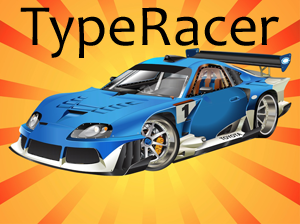
The blue car above is your car. In this TypeRacer / Type Racer game, you should type the words you see just below the game canvas. You should type the words in the input box given below the game canvas. Once you finish typing a line, you will see the next line. Keep typing and keep your competitors behind you.
To select / change difficulty level, please type / press 1, 2, or 3 on your keyboard when you see the game over screen.
You must type fast to win in this TypeRacer / Type Racer game. But every mistake will heavily reduce the chance of winning this game. So, try your best to avoid making mistakes.
In the easy level, you must score minimum 26 words per minute to win. In the medium level, minimum 46 words per minute is required. But in the hard level, you need minimum 81 words per minute to win.
Virtual Gold Medals: If you score more than 80 words per minute, you will get three virtual gold medals which is the highest rank in this game. If you are winning three virtual gold medals every time, you surely have professional typing skill which is a desired skill for many people. But you get two virtual gold medals if score between 61 and 80. Finally, you get only one gold medal for scoring between 46 and 60.
1. Typing Practice » Beginner Level » Home Row (1 - 17)
Practice Lesson 1: Index fingers: J and F
Practice Lesson 2: Middle fingers: K and D
Practice Lesson 3: Review: JFKD
Practice Lesson 4: Ring fingers: S and L
Practice Lesson 5: Pinkie fingers: A and ;
Practice Lesson 6: Index fingers: G and H
Practice Lesson 7: Back and forth
Practice Lesson 8: Left hand keys 1
Practice Lesson 9: Left hand keys 2
Practice Lesson 10: Right hand keys 1
Practice Lesson 11: Right hand keys 2
2. Typing Practice » Beginner Level » Top Row (18 - 32)
Practice Lesson 18: Index fingers: R and U
Practice Lesson 19: Middle fingers: E and I
Practice Lesson 20: Ring fingers: W and O
Practice Lesson 21: Pinkie fingers: Q and P
Practice Lesson 22: Index fingers: T and Y
Practice Lesson 23: Back and forth
Practice Lesson 24: All left hand 1
Practice Lesson 25: All left hand 2
Practice Lesson 26: All right hand 1
Practice Lesson 27: All right hand 2
3. Typing Practice » Beginner Level » Bottom Row (33 - 46)
Practice Lesson 33: Index fingers: V and M
Practice Lesson 34: Middle fingers: C and ,
Practice Lesson 35: Ring fingers: X and .
Practice Lesson 36: Pinkie fingers: Z and /
Practice Lesson 37: Index fingers: B and N
Practice Lesson 38: Back and forth
Practice Lesson 39: All left hand 1
Practice Lesson 40: All left hand 2
Practice Lesson 41: All right hand 1
Practice Lesson 42: All right hand 2
4. Typing Practice » Beginner Level » Miscellaneous (47 - 68)
Practice Lesson 47: Review 1: Left hand words
Practice Lesson 48: Review 2: Right hand words
Practice Lesson 49: Review 3: Alternating hand words
Practice Lesson 50: Capitals 1
Practice Lesson 51: Capitals 2
Practice Lesson 52: Capitals 3
Practice Lesson 53: Capitals 4
Practice Lesson 62: Numeric Keypad 1
Practice Lesson 63: Numeric Keypad 2
Practice Lesson 64: Numeric Keypad 3
Practice Lesson 65: Numeric Keypad 4
Practice Lesson 66: Easy Words
Practice Lesson 67: Easy Words
Practice Lesson 68: Easy Words
5. Typing Practice » Intermediate Level (69 - 110)
Practice Lesson 69: Common Letter Combinations - CK
Practice Lesson 70: Common Letter Combinations - CH
Practice Lesson 71: Common Letter Combinations - PH
Practice Lesson 72: Common Letter Combinations - GH
Practice Lesson 73: Common Letter Combinations - TH
Practice Lesson 74: Common Letter Combinations - DG
Practice Lesson 75: Common Letter Combinations - ION
Practice Lesson 76: Common Letter Combinations - OUS
Practice Lesson 77: Common Letter Combinations - ATE
Practice Lesson 78: Common Letter Combinations - QU
Practice Lesson 79: Common Letter Combinations - IAL
Practice Lesson 80: Common Letter Combinations - ENT
Practice Lesson 81: Common Letter Combinations - ER
Practice Lesson 82: Common Letter Combinations - GRA
Practice Lesson 83: Common Letter Combinations - OR
Practice Lesson 84: Common Letter Combinations - ABLE
Practice Lesson 85: Common Letter Combinations - IC
Practice Lesson 86: Common Letter Combinations - EI
Practice Lesson 87: Common Letter Combinations - ACY
Practice Lesson 88: Common Letter Combinations - EX
Practice Lesson 89: Common Letter Combinations - ON
Practice Lesson 90: Common Letter Combinations - IN
Practice Lesson 91: Common Letter Combinations - ING
Practice Lesson 92: Common Letter Combinations - ARY
Practice Lesson 93: Common Letter Combinations - LY
Practice Lesson 94: Common Letter Combinations - GY
Practice Lesson 95: Common Letter Combinations - ED
Practice Lesson 96: Common Letter Combinations - AL
Practice Lesson 97: Common Letter Combinations - TRAN
Practice Lesson 98: Common phrase practice 1
Practice Lesson 99: Common phrase practice 2
Practice Lesson 100: Common phrase practice 3
Practice Lesson 101: Common phrase practice 4
Practice Lesson 102: Common phrase practice 5
Practice Lesson 103: Common phrase practice 6
Practice Lesson 104: Common phrase practice 7
Practice Lesson 105: Common phrase practice 8
Practice Lesson 106: Common phrase practice 9
Practice Lesson 107: Common phrase practice 10
Practice Lesson 108: Common phrase practice 11
Practice Lesson 109: Common phrase practice 12
Practice Lesson 110: Common phrase practice 13
6. Typing Practice » Advanced Level (111 - 144)
Practice Lesson 111: Using Right Hand SHIFT Key
Practice Lesson 112: Using Left Hand SHIFT key
Practice Lesson 113: Using Each SHIFT Key
Practice Lesson 114: Left hand only - short words
Practice Lesson 115: Left hand only - longer words
Practice Lesson 116: Right hand only - easy words
Practice Lesson 117: Right hand only - harder words
Practice Lesson 118: Words with alternate hands letters
Practice Lesson 119: Numbers and Special Characters - Left hand
Practice Lesson 120: Numbers and Special Characters - Right hand
Practice Lesson 121: Numbers and Special Characters - Left hand - More difficult
Practice Lesson 122: Numbers and Special Characters - Right hand - More difficult
Practice Lesson 123: Tongue twisters 1
Practice Lesson 124: Tongue twisters 2
Practice Lesson 125: Tongue twisters 3
Practice Lesson 126: Tongue twisters 4
Practice Lesson 127: Tongue twisters 5
Practice Lesson 128: Tongue twisters 6
Practice Lesson 129: Tongue twisters 7
Practice Lesson 130: Tongue twisters 8
Practice Lesson 131: Tongue twisters 9
Practice Lesson 132: Tongue twisters 10
Practice Lesson 133: Tongue twisters 11
Practice Lesson 134: Tongue twisters 12
Practice Lesson 135: Tongue twisters 13
Practice Lesson 136: Tongue twisters 14
Practice Lesson 137: Tongue twisters 15
Practice Lesson 138: Tongue twisters 16
Practice Lesson 139: Tongue twisters 17
Practice Lesson 140: Tongue twisters 18
Practice Lesson 141: Tongue twisters 19
Practice Lesson 142: Tongue twisters 20
Practice Lesson 143: The hardest words to type 1
Practice Lesson 144: The hardest words to type 2
7. Typing Practice » Miscellaneous (145 - 166)
Practice Lesson 145: Alphanumeric Typing Test: 1
Practice Lesson 146: Alphanumeric Typing Test: 2
Practice Lesson 147: Alphanumeric Typing Test: 3
Practice Lesson 148: Alphanumeric Typing Test: 4
Practice Lesson 149: Alphanumeric Typing Test: 5
Practice Lesson 150: Alphanumeric Typing Test: 6
Practice Lesson 151: Alphanumeric Typing Test: 7
Practice Lesson 152: Alphanumeric Typing Test: 8
Practice Lesson 153: Alphanumeric Typing Test: 9
Practice Lesson 154: Alphanumeric Typing Test: 10
Practice Lesson 155: English Alphabet Typing Test
Practice Lesson 156: ASDF JKL; - Home-Row Practice
Practice Lesson 157: QWERT YUIOP - Top-Row Practice
Practice Lesson 158: ZXCVB NM,./ - Bottom-Row Practice
Practice Lesson 159: Left Hand Typing Practice
Practice Lesson 160: Right Hand Typing Practice
Practice Lesson 161: Symbols & Special Character
Practice Lesson 162: Numbers & symbols
Practice Lesson 163: Random Word Typing
Practice Lesson 164: Common Word Typing
Practice Lesson 165: Legal Typing Test
Practice Lesson 166: Medical Typing Practice
Practice Lesson 167: Home-Row Typing Practice Words
Practice Lesson 168: Home-Row and Upper Row Typing Practice Words
Online Typing Test in English
1 Minute Typing Test
2 Minute Typing Test
3 Minute Typing Test
5 Minute Typing Test
10 Minute Typing Test
10 Typing Games / Typewriting Games






Bookmark This Page (Ctrl + D)


Typing Test — Top 10 (ten) World Ranking
Get an online typing test certificate now
Please note: We may delete certificates older than 6 (six) months.
Best Score | World Ranking | Countrywise Ranking
Get a Certificate | Register | Log In
WPM = Words per minute
| Sl. | Name | Level | Net WPM | Accuracy | Country |
|---|---|---|---|---|---|
| 1. | Broderick Bagert | Professional | 111 | 99.10% | United States |
| 2. | Farhan | Professional | 93 | 93.96% | Indonesia |
| 3. | Teoh You Le | Professional | 83 | 95.41% | Malaysia |
| 4. | Fluffy Toucan | Fast | 73 | 88.01% | Albania |
| 5. | Fluffy Toucan | Fast | 71 | 92.25% | Albania |
| 6. | Laura Elizabeth Ewing | Fast | 67 | 94.38% | United States |
| 7. | Laura Elizabeth Ewing | Fluent | 60 | 93.79% | United States |
| 8. | abdullah mashia | Fluent | 59 | 98.34% | Puerto Rico |
| 9. | Laura Elizabeth Ewing | Fluent | 59 | 90.77% | United States |
| 10. | Damyan Todorov | Fluent | 57 | 93.49% | Bulgaria |
How we grade your typing speed:
| Level | Net WPM |
|---|---|
| Slow | 0 - 25 |
| Average | 26 - 45 |
| Fluent | 46 - 60 |
| Fast | 61 - 80 |
| Professional | 80+ |
Performance Graph — Based on top 10 (ten) world ranking
Typing Test — Last 25 Practice Results
Get an online typing test certificate now
Please note: We may delete certificates older than 6 (six) months.
Best Score | World Ranking | Countrywise Ranking
Get a Certificate | Register | Log In
The following list shows how some users of this website have performed within last 24 hours.
WPM = Words per minute
How we grade your typing speed:
| Level | Net WPM |
|---|---|
| Slow | 0 - 25 |
| Average | 26 - 45 |
| Fluent | 46 - 60 |
| Fast | 61 - 80 |
| Professional | 80+ |
Performance Graph — Based on last 25 results
Imagine sitting at your computer, your fingers hovering over the keyboard, and the countdown starts. Three. Two. One. Go! You begin typing as fast as you can, racing against other players from around the world. The faster you type, the faster your car speeds across the screen. You see your name climbing up the leaderboard. This is the thrill of a typeracing game. It’s not just typing—it’s competition, fun, and learning all rolled into one. But here’s the big question: can a typeracing game really make you a faster typist? Let’s find out.
The typeracing game is one of the most entertaining ways to improve your typing speed while enjoying every moment of it. Unlike boring typing drills that feel like homework, this game transforms practice into a fun challenge. It keeps you engaged, excited, and motivated to do better every time you play. The real magic behind the typeracing game is that it helps you develop real-world typing skills without you even realizing you’re learning.
Understanding What a Typeracing Game Is
A typeracing game is an online typing competition where players race by typing words or sentences as quickly and accurately as possible. The faster you type, the faster your virtual car or character moves forward. The first player to finish typing all the text wins the race. These games are often timed, competitive, and designed to test both your speed and accuracy.
Many typeracing games also display your typing speed in words per minute, often called WPM. This helps you track your improvement over time. You’ll also see your accuracy rate, which tells you how many mistakes you made. Together, these stats give you a clear idea of how well you’re doing and where you can improve.
Why Beginners Love the Typeracing Game
Beginners often struggle to stay consistent when learning typing because practice can feel repetitive. That’s where the typeracing game comes in. It transforms what could be a boring task into a thrilling race. The excitement of competition encourages you to practice more frequently. And the more you practice, the faster you improve.
For many players, the competitive element is what keeps them coming back. When you race against others, you’re motivated to push yourself harder. You begin to focus not just on speed but also on precision. Over time, this helps you type more confidently and efficiently.
The Psychology Behind Typeracing Motivation
The reason a typeracing game is so effective is simple: it taps into your natural desire to win. Every time you play, your brain releases small bursts of dopamine, the chemical that makes you feel rewarded and satisfied. This reward system keeps you coming back, eager to beat your previous score or win another race. You don’t just practice typing—you crave improvement because it feels good.
That’s why teachers and typing instructors often recommend these games for beginners. They combine learning with excitement, which keeps motivation levels high. When you enjoy what you’re doing, you’re more likely to stick with it long enough to see results.
How Typeracing Games Improve Typing Speed
When you play a typeracing game regularly, you begin to build muscle memory. Your fingers start to recognize the positions of keys automatically, allowing you to type faster without consciously thinking about every letter. This is the secret behind the fastest typists—they don’t think about each keystroke, they just type.
Another advantage is that these games expose you to a wide range of words and phrases. Over time, you become familiar with different letter combinations, punctuation, and sentence structures. This variety trains your fingers to move smoothly across the keyboard, no matter what words appear on the screen.
Step-by-Step Guide to Getting Started with a Typeracing Game
Step one: choose a typeracing game platform. There are many free options online that allow you to play instantly in your browser. You can find games designed for single-player practice or multiplayer races where you compete against others in real time.
Step two: create a free account if the platform offers one. This allows you to save your progress, track your stats, and compare your results over time.
Step three: start slow. If you’re a beginner, don’t focus on speed right away. Concentrate on accuracy first. Type slowly and carefully to build proper finger placement and muscle memory.
Step four: once you’re comfortable, challenge yourself to go faster. Join public races or invite friends to compete with you. The thrill of competition will naturally push you to improve.
Step five: review your results after each race. Look at your WPM and accuracy scores. Identify your weak spots. Are you struggling with specific letters or words? Spend a few minutes practicing those areas before your next race.
Step six: repeat this process regularly. Even 10 to 15 minutes of typeracing practice each day can make a huge difference in your typing ability within a few weeks.
Common Mistakes Beginners Make in Typeracing Games
One common mistake beginners make is focusing only on speed. While it’s tempting to type as fast as possible to win, this can lead to sloppy typing and frequent errors. Accuracy is just as important as speed. If you type quickly but make too many mistakes, your final score will suffer.
Another mistake is ignoring proper posture and hand placement. It may not seem important, but good ergonomics prevent strain and allow you to type longer without fatigue. Keep your back straight, elbows at a right angle, and wrists slightly elevated above the keyboard.
Some beginners also make the mistake of sticking to just one typeracing game. While it’s great to have a favorite, switching between different games can expose you to new challenges and improve your adaptability.
Turning Practice Into Progress
To truly benefit from a typeracing game, consistency is key. Treat it like a workout for your fingers. Just as athletes train daily to stay in shape, you need regular practice to keep improving your typing skills. Set small goals, like increasing your WPM by five points each week. Celebrate your progress, even the small wins. Over time, these small improvements add up to big results.
You can also make your practice sessions more fun by setting up friendly competitions. Challenge a friend or family member to a daily race. The playful rivalry keeps you motivated and makes learning feel like a game instead of a chore.
Fun Challenges to Try in a Typeracing Game
If you’re getting bored of regular races, try setting personal challenges. For example, you can aim to complete a race without a single typo. Or you can try to beat your personal best WPM three times in a row. Some players even use creative challenges like racing blindfolded to test their memory of key placement.
Another idea is to participate in weekly tournaments if the platform offers them. These events often feature tougher texts and skilled players, giving you a chance to test your limits. Even if you don’t win, the experience helps you grow.
Learning Through Competition
Competition brings out the best in most players. It teaches you to stay focused, manage pressure, and perform under stress. When you compete in a typeracing game, you’re not just improving your typing skills—you’re learning to think fast, react quickly, and stay calm under pressure. These skills can benefit you in real-life situations, like taking timed exams or handling fast-paced office work.
Many schools and typing teachers even organize friendly typing races in classrooms. It’s an excellent way to make learning interactive and fun. Students become more excited about improving their skills because it feels like a game instead of a lesson.
Why Accuracy Matters in Typeracing Games
Speed might win races, but accuracy wins consistency. Think of it this way: typing at 100 WPM with 80 percent accuracy means you’re effectively typing 80 correct words per minute. But if you type at 90 WPM with 98 percent accuracy, you’re producing more correct words overall. Precision helps build a strong foundation for long-term speed improvement.
To boost accuracy, practice using all ten fingers and keep your eyes on the screen instead of the keyboard. At first, it might feel awkward, but over time your fingers will memorize key positions automatically.
How Typeracing Games Build Real-Life Skills
The benefits of playing a typeracing game go far beyond the virtual racetrack. You’re developing essential skills that apply in the real world. Improved typing speed means you can finish school assignments, emails, and reports faster. Higher accuracy means fewer mistakes and more professional results. And your increased confidence with a keyboard can make you stand out in job applications or online learning environments.
Many employers value typing proficiency because it boosts productivity. Being able to type quickly and accurately can save hours every week. So, while it might feel like you’re just playing a fun game, you’re actually investing in a skill that pays off in school, work, and daily life.
Building Focus and Concentration Through Typeracing
One underrated benefit of typeracing games is improved focus. During a race, every second counts. You have to concentrate on the words, manage your rhythm, and avoid errors all at once. This trains your brain to stay attentive for extended periods.
Over time, you’ll notice this focus extending beyond the game. You might find it easier to concentrate on reading, studying, or other computer-related tasks. The game essentially trains your brain to handle pressure and maintain accuracy.
Tips for Staying Motivated in Typeracing Games
Set realistic goals. If you’re typing 40 WPM today, aim for 45 by the end of the week. Small, achievable milestones help you stay motivated without feeling overwhelmed.
Track your progress. Most typeracing games provide a history of your previous races. Reviewing your improvement gives you a sense of accomplishment and helps you see how far you’ve come.
Reward yourself. Celebrate your progress with small rewards. Maybe after reaching 70 WPM, you treat yourself to a break, a snack, or a movie night.
Join online communities. Many typeracing platforms have forums or chat rooms where players share tips, organize events, and support each other. Being part of a community helps you stay inspired and accountable.
Why Typeracing Games Are Perfect for All Ages
The beauty of the typeracing game is that anyone can play it. Kids enjoy the excitement of racing cars while unknowingly improving their spelling and coordination. Teens use it to prepare for school assignments or online exams. Adults find it a stress-relieving break that still feels productive. Even seniors can use it to keep their minds sharp and fingers agile.
It’s a rare kind of game that combines fun, learning, and real skill development, making it valuable for players of all ages and backgrounds.
The Future of Typeracing Games
As technology advances, typeracing games are becoming more interactive and exciting. Some platforms are adding virtual reality features, allowing players to race through immersive 3D environments. Others are integrating leaderboards, achievements, and team competitions that make the experience even more social and rewarding.
In the future, you might even see typeracing tournaments streamed online, just like e-sports events. It’s a growing community that blends entertainment with education in a way few other games can match.
How Typeracing Games Help You Develop Muscle Memory
Muscle memory is one of the most powerful benefits you gain from playing a typeracing game regularly. When you type the same patterns of letters and words repeatedly, your fingers start to remember their movements. Over time, this allows you to type without consciously thinking about every key you press. It’s similar to how a pianist can play a song without looking at the keyboard. The more you practice, the smoother your typing becomes. A typeracing game speeds up this process because it constantly challenges your reflexes under pressure. The faster pace helps your brain and fingers work together seamlessly, resulting in automatic accuracy and speed improvement.
Understanding the Connection Between Typing and Brain Activity
Many people do not realize that playing a typeracing game also stimulates brain function. Typing requires hand-eye coordination, quick decision-making, and mental focus. When you race against others, your brain is processing multiple tasks at once—reading the words, converting them into finger movements, and maintaining rhythm. Studies have shown that activities like typing can strengthen neural connections, improving both cognitive and motor skills. This means that playing typeracing games is not just about learning to type faster; it’s also about training your brain to respond quicker and stay more focused in other areas of life.
The Role of Competition in Building Typing Discipline
Competition has a powerful psychological effect that pushes you beyond your comfort zone. In a typeracing game, you are not just competing against others—you are competing against your own past performance. This consistent challenge builds discipline. You begin to set personal goals, analyze your mistakes, and correct them in future races. The more you practice, the more disciplined your approach to learning becomes. This mindset often extends beyond typing, helping you stay motivated and committed in other parts of your life, like studying or professional work.
How Typeracing Games Build Confidence in Beginners
Confidence plays a huge role in learning any new skill, and typing is no exception. In the beginning, many people hesitate because they worry about making mistakes or typing too slowly. The typeracing game removes that fear by turning learning into a playful experience. Every time you complete a race or improve your WPM score, you feel a small sense of achievement. These wins build confidence, showing you that progress is possible even in small steps. Over time, you’ll notice a difference not only in your typing ability but also in how confidently you use your computer for school, work, or personal projects.
The Importance of Consistency in Typeracing Practice
You can’t become a fast and accurate typist overnight. Just like learning a language or playing a musical instrument, typing improvement takes consistent practice. The key to mastering a typeracing game is making it a daily habit. Even five to ten minutes a day can lead to big results over time. The regular exposure keeps your mind sharp and your fingers flexible. Consistency builds mastery, and the more you play, the more natural typing becomes. Make it part of your routine—perhaps right after checking your emails or before starting work. Treat it as both fun and a productivity booster.
How to Use Typeracing Games to Overcome Typing Anxiety
Typing anxiety is more common than people think. Many beginners feel nervous when they have to type quickly or when someone is watching them. A typeracing game helps you overcome that anxiety because it normalizes the pressure. The countdown timer and racing atmosphere train you to perform calmly under stress. The more you play, the more comfortable you become typing under time limits. Eventually, this confidence transfers to real-life scenarios like writing timed essays, responding to chat messages, or completing tasks in a busy work environment.
How Parents Can Use Typeracing Games to Help Kids Learn
For children, traditional typing lessons can feel boring or repetitive. However, a typeracing game makes it fun and interactive. Kids love the racing element because it turns typing into a challenge rather than a chore. Parents can use these games to introduce their children to proper keyboarding techniques early on. Playing regularly helps kids develop finger coordination and spelling skills while also improving their reading speed. Parents can even join in to create a fun, family-based competition that keeps everyone engaged and learning together.
How Typeracing Games Enhance Focus and Reaction Time
One of the hidden benefits of a typeracing game is how it trains your focus and reaction time. During each race, you have only seconds to read and type the words correctly. This requires sharp attention and quick reflexes. The brain learns to filter out distractions and concentrate fully on the task. Over time, your ability to react quickly improves. This skill can benefit you in other digital activities such as coding, online communication, or even gaming. The practice of staying focused on a fast-moving text race strengthens your multitasking ability without feeling overwhelming.
Adapting Typeracing Games for Different Learning Goals
Not everyone plays typeracing games for the same reason. Some want to increase speed, while others want to focus on accuracy or finger placement. The good news is that most typeracing platforms can be adapted to fit different learning goals. You can start with easy texts to master accuracy, then move to more complex passages once you’re comfortable. You can also adjust the difficulty level by choosing shorter or longer races. This flexibility makes typeracing games ideal for learners of all levels—from complete beginners to advanced typists looking to maintain their edge.
How Typeracing Games Improve Productivity at Work
In modern workplaces, typing efficiently can make a big difference. Whether you’re writing reports, answering emails, or taking notes during meetings, your typing speed directly affects your productivity. Playing a typeracing game during short breaks can serve as both a stress reliever and a productivity tool. It sharpens your typing reflexes, reduces typing fatigue, and makes daily computer tasks feel easier. A faster typing speed also means you can complete tasks more quickly, leaving you with more time to focus on creative or strategic work.
Why Typeracing Games Are Ideal for Students
For students, typing is an essential skill that affects academic performance. Many assignments, essays, and exams now take place on computers. By regularly playing a typeracing game, students can strengthen their typing speed and accuracy, allowing them to complete written work faster. The game also encourages reading comprehension because players must read and understand the text quickly to type it correctly. This combination of reading and typing helps students develop stronger literacy skills without them realizing they’re studying.
Using Typeracing Games as a Break from Traditional Learning
Sometimes, taking a break from structured learning methods can reignite motivation. A typeracing game offers the perfect balance between relaxation and skill development. It feels like play, but it’s actually productive. If you’ve been struggling with traditional typing exercises, switching to a fun racing format can help you regain focus. This playful approach prevents burnout and keeps your mind fresh. It’s especially helpful for people who learn better through interactive experiences rather than memorization.
How to Measure Your Progress in Typeracing Games
Tracking progress is crucial to staying motivated. Most typeracing games display detailed statistics such as WPM, accuracy percentage, and race history. You can use these numbers to identify patterns in your performance. For instance, if your speed is improving but your accuracy is dropping, it’s a sign that you need to slow down and focus on precision. If both numbers are rising, that’s a clear sign your skills are improving. Keeping a simple progress chart or journal can help you visualize your improvement over time and set new goals.
The Role of Practice Routines in Typeracing Success
The best typists often follow structured routines when using typeracing games. They warm up with short races, focus on accuracy drills, and then challenge themselves with longer, more difficult texts. Creating your own routine ensures consistent improvement. You can design sessions that alternate between easy and hard levels, ensuring a balance of comfort and challenge. Over time, this mix helps you stay engaged without hitting a performance plateau.
Why Typeracing Games Are a Perfect Mix of Fun and Learning
What makes the typeracing game so popular is its perfect blend of fun and education. It doesn’t feel like studying, yet it provides measurable learning outcomes. You’re playing a game, but you’re also developing a valuable life skill. This balance keeps players engaged longer and makes learning sustainable. Unlike many online distractions, a typeracing game offers entertainment that actually improves productivity, accuracy, and brain coordination.
Conclusion: Turning a Simple Game Into a Lifelong Skill
The typeracing game is more than a digital pastime—it’s a doorway to mastering one of the most essential modern skills. With every race, you’re not only improving your speed but also training your brain, boosting confidence, and building valuable habits that carry into daily life. Whether you’re a student, a professional, or just someone who loves a good challenge, a typeracing game can make typing practice something you look forward to every day. Keep racing, keep learning, and you’ll be amazed at how fast your progress accelerates.
Final Thoughts on Typeracing Games
The typeracing game is more than just a way to pass time—it’s a powerful tool for personal improvement. It trains your brain, sharpens your reflexes, and boosts your typing performance. Whether you’re a student, a professional, or just someone who loves a good challenge, this game offers a simple yet effective path to becoming a faster, more confident typist.
So, the next time you’re bored or looking for a quick mental workout, open your favorite typeracing game and start typing. Who knows? With a little practice, you might just find yourself at the top of the leaderboard.
More Resources
- Typing Test Typingmaster for Beginners: Start Today
- Test Your Typing Words Per Minute Online Free
- Speed Test Practice for Beginners
- 10 Key Practice Typing for Beginners Made Easy
- Best Typing Test Live Chat for Beginners
- Best Typing Lesson Free Online for Beginners
- Best Free Hero Typing Test Online
- English Keyboard Typing Practice for Beginners
- Best Numeric Typing Speed Test for Beginners
- Typing Speed Keyboard Practice for Complete Beginners