Play Typewriter Race Online and Boost Your Typing Speed
9 more typing games: (1) Nitro Type (2) Ninja Cat (3) ZType (4) Zombie Typing Game Typocalypse (5) Dance Mat Typing (6) Keyboard Climber 2 (7) Just Type This (8) Flying Race (9) Save The Child
★★★ 168 Typing Lessons ★★★ $375 Course FREE (Limited Time Offer)
To play this game, just type the words inside the blue area under the game canvas.
Complete a Typing Test in 60 Seconds!
144 Free Typing Practice Lessons. Try Now.
Video Tutorial: How to play this game
How to play:

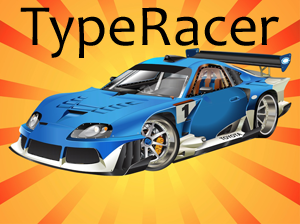
The blue car above is your car. In this TypeRacer / Type Racer game, you should type the words you see just below the game canvas. You should type the words in the input box given below the game canvas. Once you finish typing a line, you will see the next line. Keep typing and keep your competitors behind you.
To select / change difficulty level, please type / press 1, 2, or 3 on your keyboard when you see the game over screen.
You must type fast to win in this TypeRacer / Type Racer game. But every mistake will heavily reduce the chance of winning this game. So, try your best to avoid making mistakes.
In the easy level, you must score minimum 26 words per minute to win. In the medium level, minimum 46 words per minute is required. But in the hard level, you need minimum 81 words per minute to win.
Virtual Gold Medals: If you score more than 80 words per minute, you will get three virtual gold medals which is the highest rank in this game. If you are winning three virtual gold medals every time, you surely have professional typing skill which is a desired skill for many people. But you get two virtual gold medals if score between 61 and 80. Finally, you get only one gold medal for scoring between 46 and 60.
1. Typing Practice » Beginner Level » Home Row (1 - 17)
Practice Lesson 1: Index fingers: J and F
Practice Lesson 2: Middle fingers: K and D
Practice Lesson 3: Review: JFKD
Practice Lesson 4: Ring fingers: S and L
Practice Lesson 5: Pinkie fingers: A and ;
Practice Lesson 6: Index fingers: G and H
Practice Lesson 7: Back and forth
Practice Lesson 8: Left hand keys 1
Practice Lesson 9: Left hand keys 2
Practice Lesson 10: Right hand keys 1
Practice Lesson 11: Right hand keys 2
2. Typing Practice » Beginner Level » Top Row (18 - 32)
Practice Lesson 18: Index fingers: R and U
Practice Lesson 19: Middle fingers: E and I
Practice Lesson 20: Ring fingers: W and O
Practice Lesson 21: Pinkie fingers: Q and P
Practice Lesson 22: Index fingers: T and Y
Practice Lesson 23: Back and forth
Practice Lesson 24: All left hand 1
Practice Lesson 25: All left hand 2
Practice Lesson 26: All right hand 1
Practice Lesson 27: All right hand 2
3. Typing Practice » Beginner Level » Bottom Row (33 - 46)
Practice Lesson 33: Index fingers: V and M
Practice Lesson 34: Middle fingers: C and ,
Practice Lesson 35: Ring fingers: X and .
Practice Lesson 36: Pinkie fingers: Z and /
Practice Lesson 37: Index fingers: B and N
Practice Lesson 38: Back and forth
Practice Lesson 39: All left hand 1
Practice Lesson 40: All left hand 2
Practice Lesson 41: All right hand 1
Practice Lesson 42: All right hand 2
4. Typing Practice » Beginner Level » Miscellaneous (47 - 68)
Practice Lesson 47: Review 1: Left hand words
Practice Lesson 48: Review 2: Right hand words
Practice Lesson 49: Review 3: Alternating hand words
Practice Lesson 50: Capitals 1
Practice Lesson 51: Capitals 2
Practice Lesson 52: Capitals 3
Practice Lesson 53: Capitals 4
Practice Lesson 62: Numeric Keypad 1
Practice Lesson 63: Numeric Keypad 2
Practice Lesson 64: Numeric Keypad 3
Practice Lesson 65: Numeric Keypad 4
Practice Lesson 66: Easy Words
Practice Lesson 67: Easy Words
Practice Lesson 68: Easy Words
5. Typing Practice » Intermediate Level (69 - 110)
Practice Lesson 69: Common Letter Combinations - CK
Practice Lesson 70: Common Letter Combinations - CH
Practice Lesson 71: Common Letter Combinations - PH
Practice Lesson 72: Common Letter Combinations - GH
Practice Lesson 73: Common Letter Combinations - TH
Practice Lesson 74: Common Letter Combinations - DG
Practice Lesson 75: Common Letter Combinations - ION
Practice Lesson 76: Common Letter Combinations - OUS
Practice Lesson 77: Common Letter Combinations - ATE
Practice Lesson 78: Common Letter Combinations - QU
Practice Lesson 79: Common Letter Combinations - IAL
Practice Lesson 80: Common Letter Combinations - ENT
Practice Lesson 81: Common Letter Combinations - ER
Practice Lesson 82: Common Letter Combinations - GRA
Practice Lesson 83: Common Letter Combinations - OR
Practice Lesson 84: Common Letter Combinations - ABLE
Practice Lesson 85: Common Letter Combinations - IC
Practice Lesson 86: Common Letter Combinations - EI
Practice Lesson 87: Common Letter Combinations - ACY
Practice Lesson 88: Common Letter Combinations - EX
Practice Lesson 89: Common Letter Combinations - ON
Practice Lesson 90: Common Letter Combinations - IN
Practice Lesson 91: Common Letter Combinations - ING
Practice Lesson 92: Common Letter Combinations - ARY
Practice Lesson 93: Common Letter Combinations - LY
Practice Lesson 94: Common Letter Combinations - GY
Practice Lesson 95: Common Letter Combinations - ED
Practice Lesson 96: Common Letter Combinations - AL
Practice Lesson 97: Common Letter Combinations - TRAN
Practice Lesson 98: Common phrase practice 1
Practice Lesson 99: Common phrase practice 2
Practice Lesson 100: Common phrase practice 3
Practice Lesson 101: Common phrase practice 4
Practice Lesson 102: Common phrase practice 5
Practice Lesson 103: Common phrase practice 6
Practice Lesson 104: Common phrase practice 7
Practice Lesson 105: Common phrase practice 8
Practice Lesson 106: Common phrase practice 9
Practice Lesson 107: Common phrase practice 10
Practice Lesson 108: Common phrase practice 11
Practice Lesson 109: Common phrase practice 12
Practice Lesson 110: Common phrase practice 13
6. Typing Practice » Advanced Level (111 - 144)
Practice Lesson 111: Using Right Hand SHIFT Key
Practice Lesson 112: Using Left Hand SHIFT key
Practice Lesson 113: Using Each SHIFT Key
Practice Lesson 114: Left hand only - short words
Practice Lesson 115: Left hand only - longer words
Practice Lesson 116: Right hand only - easy words
Practice Lesson 117: Right hand only - harder words
Practice Lesson 118: Words with alternate hands letters
Practice Lesson 119: Numbers and Special Characters - Left hand
Practice Lesson 120: Numbers and Special Characters - Right hand
Practice Lesson 121: Numbers and Special Characters - Left hand - More difficult
Practice Lesson 122: Numbers and Special Characters - Right hand - More difficult
Practice Lesson 123: Tongue twisters 1
Practice Lesson 124: Tongue twisters 2
Practice Lesson 125: Tongue twisters 3
Practice Lesson 126: Tongue twisters 4
Practice Lesson 127: Tongue twisters 5
Practice Lesson 128: Tongue twisters 6
Practice Lesson 129: Tongue twisters 7
Practice Lesson 130: Tongue twisters 8
Practice Lesson 131: Tongue twisters 9
Practice Lesson 132: Tongue twisters 10
Practice Lesson 133: Tongue twisters 11
Practice Lesson 134: Tongue twisters 12
Practice Lesson 135: Tongue twisters 13
Practice Lesson 136: Tongue twisters 14
Practice Lesson 137: Tongue twisters 15
Practice Lesson 138: Tongue twisters 16
Practice Lesson 139: Tongue twisters 17
Practice Lesson 140: Tongue twisters 18
Practice Lesson 141: Tongue twisters 19
Practice Lesson 142: Tongue twisters 20
Practice Lesson 143: The hardest words to type 1
Practice Lesson 144: The hardest words to type 2
7. Typing Practice » Miscellaneous (145 - 166)
Practice Lesson 145: Alphanumeric Typing Test: 1
Practice Lesson 146: Alphanumeric Typing Test: 2
Practice Lesson 147: Alphanumeric Typing Test: 3
Practice Lesson 148: Alphanumeric Typing Test: 4
Practice Lesson 149: Alphanumeric Typing Test: 5
Practice Lesson 150: Alphanumeric Typing Test: 6
Practice Lesson 151: Alphanumeric Typing Test: 7
Practice Lesson 152: Alphanumeric Typing Test: 8
Practice Lesson 153: Alphanumeric Typing Test: 9
Practice Lesson 154: Alphanumeric Typing Test: 10
Practice Lesson 155: English Alphabet Typing Test
Practice Lesson 156: ASDF JKL; - Home-Row Practice
Practice Lesson 157: QWERT YUIOP - Top-Row Practice
Practice Lesson 158: ZXCVB NM,./ - Bottom-Row Practice
Practice Lesson 159: Left Hand Typing Practice
Practice Lesson 160: Right Hand Typing Practice
Practice Lesson 161: Symbols & Special Character
Practice Lesson 162: Numbers & symbols
Practice Lesson 163: Random Word Typing
Practice Lesson 164: Common Word Typing
Practice Lesson 165: Legal Typing Test
Practice Lesson 166: Medical Typing Practice
Practice Lesson 167: Home-Row Typing Practice Words
Practice Lesson 168: Home-Row and Upper Row Typing Practice Words
Online Typing Test in English
1 Minute Typing Test
2 Minute Typing Test
3 Minute Typing Test
5 Minute Typing Test
10 Minute Typing Test
10 Typing Games / Typewriting Games





Bookmark This Page (Ctrl + D)


Typing Test — Top 10 (ten) World Ranking
Get an online typing test certificate now
Please note: We may delete certificates older than 6 (six) months.
Best Score | World Ranking | Countrywise Ranking
Get a Certificate | Register | Log In
WPM = Words per minute
| Sl. | Name | Level | Net WPM | Accuracy | Country |
|---|---|---|---|---|---|
| 1. | Broderick Bagert | Professional | 111 | 99.10% | United States |
| 2. | Farhan | Professional | 93 | 93.96% | Indonesia |
| 3. | Teoh You Le | Professional | 83 | 95.41% | Malaysia |
| 4. | Fluffy Toucan | Fast | 73 | 88.01% | Albania |
| 5. | Fluffy Toucan | Fast | 71 | 92.25% | Albania |
| 6. | Laura Elizabeth Ewing | Fast | 67 | 94.38% | United States |
| 7. | Laura Elizabeth Ewing | Fluent | 60 | 93.79% | United States |
| 8. | abdullah mashia | Fluent | 59 | 98.34% | Puerto Rico |
| 9. | Laura Elizabeth Ewing | Fluent | 59 | 90.77% | United States |
| 10. | Damyan Todorov | Fluent | 57 | 93.49% | Bulgaria |
How we grade your typing speed:
| Level | Net WPM |
|---|---|
| Slow | 0 - 25 |
| Average | 26 - 45 |
| Fluent | 46 - 60 |
| Fast | 61 - 80 |
| Professional | 80+ |
Performance Graph — Based on top 10 (ten) world ranking
Typing Test — Last 25 Practice Results
Get an online typing test certificate now
Please note: We may delete certificates older than 6 (six) months.
Best Score | World Ranking | Countrywise Ranking
Get a Certificate | Register | Log In
The following list shows how some users of this website have performed within last 24 hours.
WPM = Words per minute
How we grade your typing speed:
| Level | Net WPM |
|---|---|
| Slow | 0 - 25 |
| Average | 26 - 45 |
| Fluent | 46 - 60 |
| Fast | 61 - 80 |
| Professional | 80+ |
Performance Graph — Based on last 25 results
Imagine this. You’re racing against time, your fingers flying across the keyboard, your heart pounding, and every keystroke taking you closer to victory. This is not a car race, not a video game. It’s something far simpler, yet just as thrilling—the typewriter race.
It sounds almost old-fashioned, doesn’t it? But in today’s digital age, the typewriter race is one of the most exciting and effective ways to improve your typing speed and accuracy. If you’ve ever wondered how professional typists reach lightning-fast speeds or how you can make learning to type actually fun, this post is exactly what you need. Because by the end of it, you’ll know how to turn a simple typewriter race into your personal speed-boosting secret weapon.
The Curiosity Behind the Typewriter Race
Here’s the question that most people ask when they first hear about it: can racing on a keyboard really help me type faster? The short answer is yes—but the long answer is far more interesting. The typewriter race combines skill, focus, and competition, which tricks your brain into learning faster without you even realizing it. But before we get there, let’s understand what a typewriter race actually is.
What Is a Typewriter Race?
A typewriter race is an online typing game where players compete in real time to see who can type a passage of text the fastest and most accurately. It simulates the idea of a traditional typewriter competition, but instead of clunky keys and paper, everything happens right on your computer screen. You join a virtual race, get a random text, and then the countdown begins. Every word you type correctly pushes your car—or character—ahead on the track. The faster you type, the faster you move. The goal? Finish the text before everyone else does.
Why Beginners Love the Typewriter Race
The biggest reason beginners love playing typewriter race games is because they remove the boredom from typing practice. Traditional drills can feel repetitive. But a typewriter race turns typing into a challenge, something you can measure and improve daily. It’s not about sitting quietly and pressing random letters—it’s about competing, progressing, and enjoying the journey.
The Psychology Behind the Race
There’s actual science behind why typewriter race games improve typing skills so effectively. According to learning psychology, competition boosts motivation and focus. When your brain senses a challenge, it releases dopamine—the feel-good chemical that makes you want to perform better. That’s why you’ll notice that after one typewriter race, you’ll probably want to play another, and another. It’s addictive—but in the best possible way.
Getting Started With Typewriter Race
If you’re new to the world of typing games, don’t worry. Getting started with typewriter race games is easy. All you need is a computer, internet connection, and a willingness to practice. Most websites that offer typewriter race experiences let you play instantly—no downloads required. Simply choose your mode (solo or multiplayer), and the countdown begins.
Example: Let’s say you visit a typing site offering typewriter race games. You’ll join a room where others are waiting to race. A random passage appears, maybe something like: “Practice makes perfect, but speed comes with accuracy.” You’ll see a timer count down from three. Then—go! You start typing as fast as you can while avoiding errors. Every correct word pushes your car forward. If you make a mistake, you’ll need to fix it before continuing.
The Power of Practice Through Play
This is where the magic happens. Unlike boring typing drills, a typewriter race feels like a game, not work. You’re learning without realizing you’re practicing. Each race strengthens your muscle memory, helps you spot common mistakes, and makes your fingers more confident on the keyboard. Over time, your typing speed naturally increases.
How the Typewriter Race Builds Real Skills
Every round of the typewriter race helps you develop specific typing skills:
1. Speed: You’re forced to type quickly to win the race. Over time, this naturally raises your words per minute (WPM).
2. Accuracy: The race penalizes mistakes, teaching you to balance speed with precision.
3. Focus: Since you’re racing others, your attention improves because distractions mean losing.
4. Endurance: Long races help your fingers build stamina for extended typing sessions.
Real Example of Improvement
A beginner who starts with 30 WPM might notice after a few weeks of daily typewriter race practice, their speed jumps to 50 or even 60 WPM. It’s not magic—it’s just the effect of active repetition under mild pressure, which builds better habits faster.
Common Mistakes Beginners Make in Typewriter Race
Even though typewriter race games are fun, beginners often make simple mistakes that slow down their progress. One common error is focusing too much on speed before mastering accuracy. Typing fast with lots of mistakes doesn’t help. It’s better to go slow, type accurately, and gradually build speed. Another mistake is not using proper finger placement—relying on just two or three fingers instead of all ten. This limits how fast you can go in the long run.
The Secret of Proper Typing Technique
If you want to master the typewriter race, start with the right technique. Place your fingers on the home row keys—A, S, D, F for the left hand, and J, K, L, ; for the right. Keep your thumbs on the spacebar. This foundation lets your fingers travel shorter distances and move quickly between keys. The less your hands move, the faster you’ll type.
Turning the Typewriter Race Into Daily Practice
Consistency is the real secret behind improvement. If you want faster results, make the typewriter race part of your daily routine. Play a few races each day—maybe three to five rounds. Over time, you’ll notice your fingers move effortlessly. Set small goals: try to beat your previous WPM record, or aim to finish error-free. Progress feels exciting when you can see it.
Why the Typewriter Race Keeps You Motivated
Unlike traditional typing lessons, typewriter race games constantly reward you with progress. Every finished race gives instant feedback—your speed, your accuracy, and your improvement trend. That instant result loop keeps you coming back. You’re not waiting for someone to grade you—you see your score immediately, and you know exactly what to work on next.
Learning From Others in the Race
Another benefit of playing typewriter race games online is community learning. You’ll often find players from around the world, each at different skill levels. Observing faster players helps you learn new techniques—how they manage rhythm, handle tricky words, or recover from mistakes quickly. Some players even form friendly rivalries, which keeps practice exciting.
How to Stay Calm During a Typewriter Race
It’s normal to feel nervous during a typewriter race, especially when competing against others. But staying calm is key. Try deep breathing before the countdown starts. Remind yourself that accuracy is more important than speed. Once you find your rhythm, your fingers will start to flow naturally. The more relaxed you are, the better your performance.
A Fun Way to Track Progress
Many typing race platforms let you view your historical performance. You can track your WPM growth, accuracy trends, and best times. Watching your numbers rise is incredibly motivating. For example, seeing that your speed went from 45 WPM to 65 WPM in one month proves your effort is paying off.
Why Kids and Adults Both Love the Typewriter Race
Typing practice often feels like homework. But typewriter race games transform it into play. That’s why both kids and adults love it. Children enjoy the racing visuals, while adults appreciate the challenge. It’s one of those rare games that’s equally entertaining and educational.
The Link Between Typing and Real-World Benefits
Improving your typing speed through the typewriter race doesn’t just make you better at games—it helps in real life too. Whether you’re a student writing essays, a professional sending emails, or a gamer chatting in real time, faster typing saves time. Imagine saving even ten minutes a day because you type faster—that adds up to hours every month.
Adding Humor and Fun to the Typewriter Race
The best part of typewriter race games is that they don’t take themselves too seriously. You might see funny usernames, silly quotes, or hilarious mistakes. Maybe your car stalls because you mistyped “banana.” It’s all part of the fun. Laughing at your mistakes makes learning easier. After all, who said improving your skills has to be dull?
Tips to Get the Most Out of Every Typewriter Race
1. Warm up before racing. Try typing random sentences for one minute to loosen your fingers.
2. Focus on accuracy in the first few rounds.
3. Slowly increase your speed as accuracy improves.
4. Review your results after each race and note where you slowed down.
5. Play regularly—daily if possible.
When to Level Up Your Typing Practice
Once you’ve mastered beginner-level races, try advanced modes with longer passages or trickier punctuation. These challenges prepare you for real-world typing, where you’ll need to handle complex text efficiently. The more difficult the race, the faster your skill grows.
A Curious Twist—Can You Beat the Record?
Here’s something to think about: some players have reached over 150 words per minute in typewriter races. Can you imagine typing that fast? You’ll wonder how that’s even humanly possible. That’s part of the curiosity that keeps players hooked—pushing boundaries, one race at a time.
How to Make Learning Sustainable
If you want long-term progress, keep your sessions short but consistent. Instead of marathon sessions, spend 15 minutes a day racing. It’s better for your hands and your focus. Add variety—sometimes race, sometimes practice slow drills, and sometimes take typing tests to track progress.
Why the Typewriter Race Will Never Get Old
The typewriter race has one thing most learning tools don’t: endless replayability. No two races feel the same. Each passage, each competitor, each moment is different. That constant freshness keeps the excitement alive, no matter how many times you play.
Bringing It All Together
Typing is no longer a dull skill to learn. With the typewriter race, you can turn it into a game that sharpens your mind, strengthens your focus, and boosts your typing speed faster than any boring tutorial ever could. Every time you race, you’re improving your reflexes, accuracy, and confidence. You’re not just typing words—you’re training your brain to think and react faster.
Exploring the History of the Typewriter Race
Before typewriter races became digital, they had roots in old-fashioned typing competitions. In the early twentieth century, professional typists competed on mechanical typewriters to show their speed and precision. Crowds gathered to watch as fingers flew over keys with rhythmic clatter. These contests were thrilling events, especially in offices where being the fastest typist meant higher pay and greater respect. The modern typewriter race takes inspiration from those competitions, transforming them into an online experience that anyone can join. Understanding this background makes each race feel like part of a long-standing tradition of skill, challenge, and fun.
Why Consistency Beats Natural Talent in Typewriter Race
Many beginners believe that great typists are born with special abilities. But in truth, success in the typewriter race comes from consistency. Practicing every day for ten minutes is more powerful than practicing once a week for an hour. The reason is muscle memory. Your fingers learn patterns through repetition. When you practice regularly, even in small sessions, your brain begins to associate certain finger movements with specific letters. That’s how your typing becomes automatic over time. It’s not about natural speed—it’s about showing up and practicing consistently.
Building Confidence Through the Typewriter Race
Confidence is one of the most underrated benefits of playing typewriter race games. Each time you compete and improve, you feel a sense of achievement. That builds self-assurance not only in typing but also in other digital tasks. For example, students who type confidently complete assignments faster. Office workers who type with accuracy handle emails and reports with ease. Confidence grows through progress, and progress happens naturally when you keep racing and learning. The typewriter race gives you visible proof that you are improving, which keeps your motivation alive.
How to Turn Typing Mistakes Into Learning Opportunities
Mistakes are an important part of mastering the typewriter race. Instead of getting frustrated, you can use each error as a chance to improve. If you notice that certain letters or combinations slow you down, isolate them for extra practice. For example, if you often mistype the word “through,” spend a few minutes typing it repeatedly. This targeted correction helps you overcome weak spots faster. Remember, even professional typists make mistakes—the difference is that they learn from them rather than ignore them.
Using the Typewriter Race for School and Work
Typing quickly is not only about gaming—it has real benefits in school and work. Students can complete essays and research papers faster when they type efficiently. Workers can finish reports, respond to emails, and organize projects more effectively. The typewriter race turns these skills into second nature. Because you’re learning in a playful setting, the improvement doesn’t feel like studying—it feels like entertainment. Before long, you’ll notice that typing tasks take less time, leaving you with more energy for creative work.
The Role of Focus and Rhythm in a Successful Typewriter Race
Speed is important, but rhythm is the real secret behind great typing performance. Think of typing like music. When your fingers move with steady rhythm, you make fewer mistakes and maintain consistent speed. During a typewriter race, the key is not to rush but to keep a smooth tempo. Breathing steadily and keeping a calm mind helps you sustain that rhythm. Once you find your flow, you’ll realize that typing fast isn’t about hitting keys harder—it’s about hitting them in sync.
Creating Your Own Typing Goals for the Typewriter Race
Setting goals makes the typewriter race more rewarding. You can start by aiming for a specific WPM, like 40 or 60. Or you can challenge yourself to complete five races in a row without any mistakes. These small goals add structure to your progress. Over time, increase the difficulty by targeting higher speeds or longer texts. Keeping a personal log of your scores can make improvement visible, and that visual progress keeps you motivated.
The Connection Between Typing and Brain Development
Typing may seem like a simple skill, but it actually enhances brain coordination. Studies show that typing engages both sides of the brain—the left for language and the right for motor control. The typewriter race takes this even further because it combines speed, accuracy, and real-time reaction. When your mind is focused on reading, understanding, and typing all at once, you’re strengthening your brain’s multitasking ability. This makes you not only a faster typist but also a quicker thinker in everyday life.
How the Typewriter Race Encourages Healthy Competition
Competition can be a powerful motivator when it’s healthy. The typewriter race brings out your competitive side in a positive way. Instead of comparing yourself negatively to others, you learn to celebrate small victories. Finishing a race a few seconds faster than before feels like a win. Competing with friends can make practice even more exciting. Friendly challenges push everyone to improve while keeping the environment supportive and fun.
Incorporating Relaxation Techniques Before Typing
It might sound strange, but relaxing before a typewriter race can improve your results. When your body is tense, your fingers move stiffly. Before starting, take a deep breath, stretch your hands, and shake off the tension. Imagine your fingers as dancers gliding across the keyboard. This mental preparation keeps you calm and focused during the race. The calmer you are, the smoother your typing becomes.
Why Accuracy Matters More Than You Think
It’s tempting to focus only on speed, but accuracy is the foundation of true typing skill. In every typewriter race, speed without accuracy leads to penalties and wasted time. Building accuracy first allows your speed to rise naturally later. Think of it like learning to play an instrument. You start slow, focusing on hitting the right notes. Once accuracy becomes automatic, you can increase tempo. The same principle applies to typing. Accuracy builds confidence, and confidence leads to speed.
The Social Aspect of Online Typewriter Race Communities
Online typewriter race platforms often have vibrant communities. Players share their scores, strategies, and personal progress. Joining these communities can make your journey more enjoyable. You can ask for advice, join competitions, or celebrate milestones with others who understand your excitement. It turns typing from a solo practice into a shared experience, where encouragement and learning go hand in hand.
Why the Typewriter Race Is Great for Kids’ Learning
For kids, learning typing can be tough because it feels like homework. But the typewriter race makes it fun by introducing play and challenge. Children enjoy seeing colorful visuals and earning points or virtual rewards. Parents can use these games to help their kids build early computer skills that will benefit them for years. As kids play, they learn spelling, vocabulary, and hand-eye coordination—all while having fun.
The Future of Typing Games and Digital Learning
As technology evolves, typing games like the typewriter race will only get better. Developers are adding new features such as adaptive learning, where the game adjusts to your skill level. Imagine a system that knows exactly which words slow you down and designs a race to fix those weaknesses. Virtual reality may even turn typing into a 3D experience one day. The possibilities are endless, and the typewriter race is just the beginning of how learning can become both effective and entertaining.
Final Encouragement to Keep Racing
Every great typist started at the beginning—sometimes struggling, sometimes frustrated. But those who stayed consistent found joy in the process. The typewriter race is more than just a game; it’s a journey toward mastery. Each time you play, you’re sharpening a skill that will help you for the rest of your life. The next time you sit down to race, remember this: every keystroke is progress. Keep racing, keep improving, and enjoy the journey toward becoming the fastest version of yourself.
Final Thoughts
If you’ve ever struggled to stay consistent with typing practice, give the typewriter race a try. It’s simple, fun, and surprisingly effective. Start today, race a few rounds, and see how quickly your speed begins to climb. And who knows? Maybe you’ll soon become the fastest typist in your virtual race track. The only way to find out is to start typing—and let the race begin.
More Resources
- Best Online Typing Test 20 Minutes for Speed Boost
- Typewriting Practice Online Free for Beginners
- Finger Typing Lessons for Beginners Online
- Typing com 1 Minute Test Online Free Practice
- Typing Speed Live Chat Online Free Test
- Best Computer Typing Test Paragraph for Beginners
- Best Free Typewriting Game for PC to Boost Speed
- Top 10 Finger Typing Test Online Free for Beginners
- Typing Practice Tutorial for Beginners
- Best Online Free English Typing Test for Beginners