Typewriting Race Online: Boost Your Typing Speed
9 more typing games: (1) Nitro Type (2) Ninja Cat (3) ZType (4) Zombie Typing Game Typocalypse (5) Dance Mat Typing (6) Keyboard Climber 2 (7) Just Type This (8) Flying Race (9) Save The Child
★★★ 168 Typing Lessons ★★★ $375 Course FREE (Limited Time Offer)
To play this game, just type the words inside the blue area under the game canvas.
Complete a Typing Test in 60 Seconds!
144 Free Typing Practice Lessons. Try Now.
Video Tutorial: How to play this game
How to play:

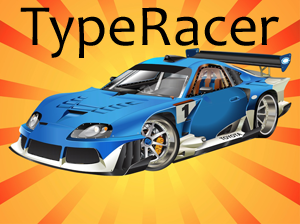
The blue car above is your car. In this TypeRacer / Type Racer game, you should type the words you see just below the game canvas. You should type the words in the input box given below the game canvas. Once you finish typing a line, you will see the next line. Keep typing and keep your competitors behind you.
To select / change difficulty level, please type / press 1, 2, or 3 on your keyboard when you see the game over screen.
You must type fast to win in this TypeRacer / Type Racer game. But every mistake will heavily reduce the chance of winning this game. So, try your best to avoid making mistakes.
In the easy level, you must score minimum 26 words per minute to win. In the medium level, minimum 46 words per minute is required. But in the hard level, you need minimum 81 words per minute to win.
Virtual Gold Medals: If you score more than 80 words per minute, you will get three virtual gold medals which is the highest rank in this game. If you are winning three virtual gold medals every time, you surely have professional typing skill which is a desired skill for many people. But you get two virtual gold medals if score between 61 and 80. Finally, you get only one gold medal for scoring between 46 and 60.
1. Typing Practice » Beginner Level » Home Row (1 - 17)
Practice Lesson 1: Index fingers: J and F
Practice Lesson 2: Middle fingers: K and D
Practice Lesson 3: Review: JFKD
Practice Lesson 4: Ring fingers: S and L
Practice Lesson 5: Pinkie fingers: A and ;
Practice Lesson 6: Index fingers: G and H
Practice Lesson 7: Back and forth
Practice Lesson 8: Left hand keys 1
Practice Lesson 9: Left hand keys 2
Practice Lesson 10: Right hand keys 1
Practice Lesson 11: Right hand keys 2
2. Typing Practice » Beginner Level » Top Row (18 - 32)
Practice Lesson 18: Index fingers: R and U
Practice Lesson 19: Middle fingers: E and I
Practice Lesson 20: Ring fingers: W and O
Practice Lesson 21: Pinkie fingers: Q and P
Practice Lesson 22: Index fingers: T and Y
Practice Lesson 23: Back and forth
Practice Lesson 24: All left hand 1
Practice Lesson 25: All left hand 2
Practice Lesson 26: All right hand 1
Practice Lesson 27: All right hand 2
3. Typing Practice » Beginner Level » Bottom Row (33 - 46)
Practice Lesson 33: Index fingers: V and M
Practice Lesson 34: Middle fingers: C and ,
Practice Lesson 35: Ring fingers: X and .
Practice Lesson 36: Pinkie fingers: Z and /
Practice Lesson 37: Index fingers: B and N
Practice Lesson 38: Back and forth
Practice Lesson 39: All left hand 1
Practice Lesson 40: All left hand 2
Practice Lesson 41: All right hand 1
Practice Lesson 42: All right hand 2
4. Typing Practice » Beginner Level » Miscellaneous (47 - 68)
Practice Lesson 47: Review 1: Left hand words
Practice Lesson 48: Review 2: Right hand words
Practice Lesson 49: Review 3: Alternating hand words
Practice Lesson 50: Capitals 1
Practice Lesson 51: Capitals 2
Practice Lesson 52: Capitals 3
Practice Lesson 53: Capitals 4
Practice Lesson 62: Numeric Keypad 1
Practice Lesson 63: Numeric Keypad 2
Practice Lesson 64: Numeric Keypad 3
Practice Lesson 65: Numeric Keypad 4
Practice Lesson 66: Easy Words
Practice Lesson 67: Easy Words
Practice Lesson 68: Easy Words
5. Typing Practice » Intermediate Level (69 - 110)
Practice Lesson 69: Common Letter Combinations - CK
Practice Lesson 70: Common Letter Combinations - CH
Practice Lesson 71: Common Letter Combinations - PH
Practice Lesson 72: Common Letter Combinations - GH
Practice Lesson 73: Common Letter Combinations - TH
Practice Lesson 74: Common Letter Combinations - DG
Practice Lesson 75: Common Letter Combinations - ION
Practice Lesson 76: Common Letter Combinations - OUS
Practice Lesson 77: Common Letter Combinations - ATE
Practice Lesson 78: Common Letter Combinations - QU
Practice Lesson 79: Common Letter Combinations - IAL
Practice Lesson 80: Common Letter Combinations - ENT
Practice Lesson 81: Common Letter Combinations - ER
Practice Lesson 82: Common Letter Combinations - GRA
Practice Lesson 83: Common Letter Combinations - OR
Practice Lesson 84: Common Letter Combinations - ABLE
Practice Lesson 85: Common Letter Combinations - IC
Practice Lesson 86: Common Letter Combinations - EI
Practice Lesson 87: Common Letter Combinations - ACY
Practice Lesson 88: Common Letter Combinations - EX
Practice Lesson 89: Common Letter Combinations - ON
Practice Lesson 90: Common Letter Combinations - IN
Practice Lesson 91: Common Letter Combinations - ING
Practice Lesson 92: Common Letter Combinations - ARY
Practice Lesson 93: Common Letter Combinations - LY
Practice Lesson 94: Common Letter Combinations - GY
Practice Lesson 95: Common Letter Combinations - ED
Practice Lesson 96: Common Letter Combinations - AL
Practice Lesson 97: Common Letter Combinations - TRAN
Practice Lesson 98: Common phrase practice 1
Practice Lesson 99: Common phrase practice 2
Practice Lesson 100: Common phrase practice 3
Practice Lesson 101: Common phrase practice 4
Practice Lesson 102: Common phrase practice 5
Practice Lesson 103: Common phrase practice 6
Practice Lesson 104: Common phrase practice 7
Practice Lesson 105: Common phrase practice 8
Practice Lesson 106: Common phrase practice 9
Practice Lesson 107: Common phrase practice 10
Practice Lesson 108: Common phrase practice 11
Practice Lesson 109: Common phrase practice 12
Practice Lesson 110: Common phrase practice 13
6. Typing Practice » Advanced Level (111 - 144)
Practice Lesson 111: Using Right Hand SHIFT Key
Practice Lesson 112: Using Left Hand SHIFT key
Practice Lesson 113: Using Each SHIFT Key
Practice Lesson 114: Left hand only - short words
Practice Lesson 115: Left hand only - longer words
Practice Lesson 116: Right hand only - easy words
Practice Lesson 117: Right hand only - harder words
Practice Lesson 118: Words with alternate hands letters
Practice Lesson 119: Numbers and Special Characters - Left hand
Practice Lesson 120: Numbers and Special Characters - Right hand
Practice Lesson 121: Numbers and Special Characters - Left hand - More difficult
Practice Lesson 122: Numbers and Special Characters - Right hand - More difficult
Practice Lesson 123: Tongue twisters 1
Practice Lesson 124: Tongue twisters 2
Practice Lesson 125: Tongue twisters 3
Practice Lesson 126: Tongue twisters 4
Practice Lesson 127: Tongue twisters 5
Practice Lesson 128: Tongue twisters 6
Practice Lesson 129: Tongue twisters 7
Practice Lesson 130: Tongue twisters 8
Practice Lesson 131: Tongue twisters 9
Practice Lesson 132: Tongue twisters 10
Practice Lesson 133: Tongue twisters 11
Practice Lesson 134: Tongue twisters 12
Practice Lesson 135: Tongue twisters 13
Practice Lesson 136: Tongue twisters 14
Practice Lesson 137: Tongue twisters 15
Practice Lesson 138: Tongue twisters 16
Practice Lesson 139: Tongue twisters 17
Practice Lesson 140: Tongue twisters 18
Practice Lesson 141: Tongue twisters 19
Practice Lesson 142: Tongue twisters 20
Practice Lesson 143: The hardest words to type 1
Practice Lesson 144: The hardest words to type 2
7. Typing Practice » Miscellaneous (145 - 166)
Practice Lesson 145: Alphanumeric Typing Test: 1
Practice Lesson 146: Alphanumeric Typing Test: 2
Practice Lesson 147: Alphanumeric Typing Test: 3
Practice Lesson 148: Alphanumeric Typing Test: 4
Practice Lesson 149: Alphanumeric Typing Test: 5
Practice Lesson 150: Alphanumeric Typing Test: 6
Practice Lesson 151: Alphanumeric Typing Test: 7
Practice Lesson 152: Alphanumeric Typing Test: 8
Practice Lesson 153: Alphanumeric Typing Test: 9
Practice Lesson 154: Alphanumeric Typing Test: 10
Practice Lesson 155: English Alphabet Typing Test
Practice Lesson 156: ASDF JKL; - Home-Row Practice
Practice Lesson 157: QWERT YUIOP - Top-Row Practice
Practice Lesson 158: ZXCVB NM,./ - Bottom-Row Practice
Practice Lesson 159: Left Hand Typing Practice
Practice Lesson 160: Right Hand Typing Practice
Practice Lesson 161: Symbols & Special Character
Practice Lesson 162: Numbers & symbols
Practice Lesson 163: Random Word Typing
Practice Lesson 164: Common Word Typing
Practice Lesson 165: Legal Typing Test
Practice Lesson 166: Medical Typing Practice
Practice Lesson 167: Home-Row Typing Practice Words
Practice Lesson 168: Home-Row and Upper Row Typing Practice Words
Online Typing Test in English
1 Minute Typing Test
2 Minute Typing Test
3 Minute Typing Test
5 Minute Typing Test
10 Minute Typing Test
10 Typing Games / Typewriting Games







Bookmark This Page (Ctrl + D)


Typing Test — Top 10 (ten) World Ranking
Get an online typing test certificate now
Please note: We may delete certificates older than 6 (six) months.
Best Score | World Ranking | Countrywise Ranking
Get a Certificate | Register | Log In
WPM = Words per minute
| Sl. | Name | Level | Net WPM | Accuracy | Country |
|---|---|---|---|---|---|
| 1. | Broderick Bagert | Professional | 111 | 99.10% | United States |
| 2. | Farhan | Professional | 93 | 93.96% | Indonesia |
| 3. | Teoh You Le | Professional | 83 | 95.41% | Malaysia |
| 4. | Fluffy Toucan | Fast | 73 | 88.01% | Albania |
| 5. | Fluffy Toucan | Fast | 71 | 92.25% | Albania |
| 6. | Laura Elizabeth Ewing | Fast | 67 | 94.38% | United States |
| 7. | Laura Elizabeth Ewing | Fluent | 60 | 93.79% | United States |
| 8. | abdullah mashia | Fluent | 59 | 98.34% | Puerto Rico |
| 9. | Laura Elizabeth Ewing | Fluent | 59 | 90.77% | United States |
| 10. | Damyan Todorov | Fluent | 57 | 93.49% | Bulgaria |
How we grade your typing speed:
| Level | Net WPM |
|---|---|
| Slow | 0 - 25 |
| Average | 26 - 45 |
| Fluent | 46 - 60 |
| Fast | 61 - 80 |
| Professional | 80+ |
Performance Graph — Based on top 10 (ten) world ranking
Typing Test — Last 25 Practice Results
Get an online typing test certificate now
Please note: We may delete certificates older than 6 (six) months.
Best Score | World Ranking | Countrywise Ranking
Get a Certificate | Register | Log In
The following list shows how some users of this website have performed within last 24 hours.
WPM = Words per minute
How we grade your typing speed:
| Level | Net WPM |
|---|---|
| Slow | 0 - 25 |
| Average | 26 - 45 |
| Fluent | 46 - 60 |
| Fast | 61 - 80 |
| Professional | 80+ |
Performance Graph — Based on last 25 results
Typewriting Race Online: Boost Your Typing Speed
Imagine sitting at your computer, fingers ready, heart racing, watching the countdown tick toward zero. The moment it starts, you begin typing—fast, focused, determined to beat everyone else in a thrilling typewriting race. That feeling of speed, accuracy, and competition is what makes online typewriting races so exciting. But here’s the question—can this simple typing game actually make you a faster and better typist? Let’s find out.
Why Typewriting Race Is More Than Just a Game
Many people think the typewriting race is just another online game, but it’s far more powerful. When you join a typewriting race, you’re not only playing—you’re training your brain, improving your focus, and developing one of the most valuable modern skills: typing speed. Whether you’re writing emails, doing schoolwork, or working in an office, fast typing saves time every single day. The typewriting race gives you a fun and motivating way to practice this essential skill without feeling bored.
The Magic of Speed and Accuracy
Speed alone means nothing if you make mistakes. The best typewriting race platforms focus on both speed and accuracy. When you type accurately, you gain confidence and rhythm. Over time, your fingers start to move without thinking. This balance between speed and accuracy is what separates a casual typist from a true typing racer.
The Growing Popularity of Online Typewriting Race
Typing used to be something people practiced only in school or office training. Today, thanks to online platforms, anyone can join a global typewriting race from anywhere. These games let you compete with real players worldwide in real time. You can see your score, compare results, and improve step by step. It’s fun, competitive, and addictive in the best way possible. The moment you beat your old score, you’ll want to do it again.
How the Typewriting Race Improves Brain Function
Typing quickly is not just about moving fingers faster. Studies show that typing activates multiple areas of the brain at once, including memory, coordination, and problem-solving. The more you type, the more efficiently your brain processes words and thoughts. In a typewriting race, your mind works under pressure, forcing you to react quickly. This kind of mental exercise boosts focus, hand-eye coordination, and reaction time.
Getting Started with Your First Typewriting Race
If you’ve never tried a typewriting race before, it’s simple to start. All you need is a computer or a tablet with a keyboard. Visit any online typing race website, pick a game, and start typing when the countdown begins. You’ll usually see a passage of text appear on the screen. Your job is to type that exact text as quickly and accurately as possible before others finish. The system calculates your words per minute (WPM) and accuracy percentage automatically.
Choosing the Right Typewriting Race Platform
Not all typewriting race platforms are the same. Some offer fun themes like car racing, where your car moves faster as you type faster. Others focus purely on text challenges. Choose one that fits your style. Beginners might enjoy simple interfaces without distractions, while advanced users can try competitive modes. Some of the most popular online typewriting race platforms offer rankings, leaderboards, and multiplayer options, making it feel like a real-time tournament.
Practice Makes Progress
Just like learning an instrument, consistent practice is the key to becoming a typing pro. Spend 10 to 15 minutes a day on typewriting race sessions. At first, focus on accuracy more than speed. Once you stop making common mistakes, push yourself to type faster. With time, you’ll see your WPM climb higher and higher. Remember, every top typist started as a beginner.
The Science Behind Muscle Memory in Typing
Have you ever noticed how your fingers start remembering where the keys are, even when you’re not looking? That’s called muscle memory. When you join typewriting race challenges regularly, your muscles adapt to key positions. Eventually, your fingers move automatically. This makes typing effortless. Many professional typists rely heavily on muscle memory to reach speeds of over 100 words per minute.
How Typewriting Race Builds Confidence
Speed typing can feel intimidating at first, especially when racing against others. But as you keep practicing, something interesting happens. You start trusting your own rhythm. You stop worrying about mistakes. You enjoy the challenge. That growing confidence can carry over into other areas of your life—school, work, or even creative writing. The typewriting race turns practice into a confidence booster.
Common Mistakes Beginners Make in Typewriting Race
Many beginners hit the same roadblocks when they first join a typewriting race. They try to type too fast before mastering accuracy. They stare at the keyboard instead of the screen. Or they panic when they make a mistake. The best way to overcome these is to slow down first, then speed up later. Keep your eyes on the text, not the keys. And if you make a mistake, correct it calmly. Even professional racers started with errors.
The Best Way to Track Your Typing Progress
Improvement feels great when you can see it. That’s why most typewriting race platforms show statistics after every race. They display your words per minute, accuracy rate, and time taken. Keep a simple record of your scores each week. Watching your WPM grow from 30 to 60 to 90 is an incredible motivator. Some websites even let you compare results with global averages so you know exactly where you stand.
Adding Fun to Your Typewriting Race Practice
Typing doesn’t have to be a boring chore. Add excitement by setting small goals. Challenge friends to beat your score. Join online tournaments. Switch between easy and hard texts. Try different languages for an extra challenge. The more you gamify your typing sessions, the faster you’ll improve. Every victory, no matter how small, keeps you motivated to continue racing.
Using Typewriting Race for Educational Growth
Teachers and students are increasingly using typewriting race activities in classrooms. It makes learning interactive. Students love competing, and teachers love seeing improvement in typing speed and spelling accuracy. It also helps students build focus and discipline while improving digital literacy. Schools across the country are introducing typewriting races to prepare students for a technology-driven world.
The Secret to Staying Motivated
Motivation often fades after the excitement of the first few games. To keep going, focus on progress, not perfection. Celebrate every improvement, even small ones. Remember that typing fast is not about being better than others—it’s about being better than yesterday. Joining a typing community can help too. Many online typewriting race platforms have chat options or leaderboards where you can meet other racers and share experiences.
Why Typing Speed Matters in Real Life
Fast and accurate typing is one of the most valuable soft skills in today’s world. Whether you’re working from home, applying for a job, or creating content online, typing speed matters. Employers appreciate employees who type efficiently because it saves time. If you can type faster, you can finish reports, respond to clients, and complete assignments quicker. The typewriting race helps you master this ability while having fun.
Improving Focus Through Typewriting Race
In a world full of distractions, maintaining focus is a challenge. But the typewriting race forces you to concentrate fully. You can’t win without paying attention. You must process each word quickly while coordinating your hands and eyes. Over time, this sharpens your focus. Many users notice that they can concentrate better even outside of typing, such as during study or work tasks.
The Role of Competition in Learning
Competition is a great motivator when used correctly. A typewriting race makes practice exciting because you’re competing against others or yourself. Seeing your name climb the leaderboard gives a sense of achievement. It pushes you to work harder. But the best racers know that the true competition is internal—it’s about improving your own best time.
Typewriting Race and Stress Relief
Surprisingly, typewriting race games can also help relieve stress. Typing fast can be satisfying, almost like a rhythm or beat. It gives your mind a break from overthinking. You focus only on the words in front of you. After a few minutes, you may feel refreshed and energized. That’s why many people play a few rounds during work breaks—it’s like a mental reset button.
Tools and Techniques to Improve Your Typing
Alongside the typewriting race, there are several tools you can use to improve. Try typing tutors that offer guided lessons. Use online typing tests to measure your progress. Adjust your keyboard position for comfort. Maintain proper posture—sit straight, elbows bent, wrists slightly raised. Practice using all ten fingers instead of just a few. These small details add up to make a big difference in your performance.
Setting Personal Goals in Typewriting Race
Goals turn practice into progress. Start by setting a reachable target like typing 40 words per minute with 95 percent accuracy. Once you reach it, aim higher. Celebrate milestones along the way. The typewriting race makes goal-setting easy because you see immediate feedback. Every race is a chance to improve.
How Long It Takes to See Results
Many beginners wonder how long it takes to get faster. The answer depends on consistency. If you practice daily for 10 to 15 minutes, you’ll see visible results within a few weeks. Your WPM will climb, your accuracy will improve, and typing will start feeling natural. Think of it like exercise for your fingers and brain—the more you train, the stronger you get.
Exploring Advanced Typewriting Race Strategies
Once you’ve mastered the basics, you can move to advanced strategies. Learn to read ahead while typing. Train your eyes to scan two or three words forward so your fingers never pause. Try typing different text genres—stories, code, news articles—to challenge yourself. Switch keyboards occasionally to adapt to different layouts. All these tricks will push your typing skills beyond ordinary levels.
How to Stay Consistent with Typewriting Race Practice
Consistency beats intensity. It’s better to type a little every day than to practice for hours once a week. Make typewriting race a part of your daily routine. Treat it like brushing your teeth—a small daily habit that delivers big results over time.
Why Kids and Adults Both Love Typewriting Race
The beauty of the typewriting race is that it’s for everyone. Kids love the fun and competition. Adults love the progress and challenge. Families can even play together, making it a bonding activity. Whether you’re 10 or 60, you can enjoy improving your skills through this exciting online race.
The Importance Of A Good Keyboard Setup
A good keyboard setup can make a world of difference when practicing the typewriting race. Beginners often overlook this, but the right equipment helps improve comfort and efficiency. Choose a keyboard with soft, responsive keys that suit your typing style. Mechanical keyboards are popular among typing enthusiasts because they offer tactile feedback and durability. Make sure your keyboard is positioned at elbow level to reduce wrist strain. Keeping your hands relaxed and wrists straight ensures better speed and accuracy during long typing sessions.
Creating A Focused Environment For Typing
The environment you practice in has a major impact on your performance. A quiet, distraction-free space helps you focus better. Many people type faster when they are relaxed and undisturbed. Turn off notifications, put your phone away, and close unnecessary tabs on your computer. Listening to soft background music or white noise can also help you stay calm and focused during the typewriting race. If you make this a daily routine, your typing speed and concentration will naturally improve over time.
Warm-Up Exercises Before A Typewriting Race
Just like athletes warm up before a race, typists should warm up their fingers before typing. Start with simple finger stretches. Move your wrists in gentle circles to loosen them up. Try typing simple words or short sentences to get your fingers moving smoothly. A quick warm-up helps prevent stiffness and prepares your hands for longer races. You can even start your session with a short one-minute typing test before jumping into a competitive typewriting race to get your rhythm going.
The Role Of Posture In Typing Performance
Your posture affects how fast and accurately you type. Sit straight with your back supported and feet flat on the ground. Avoid slouching or leaning forward because it strains your shoulders and neck. Keep your eyes at the same level as your monitor to prevent fatigue. When your body is properly aligned, you can type longer without discomfort. Maintaining a healthy posture not only improves your typing performance but also prevents long-term injuries such as wrist pain and carpal tunnel syndrome.
Understanding Typing Patterns And Habits
Each person has a unique typing pattern, but not all habits are efficient. Some beginners use only a few fingers, which limits their speed. To perform well in a typewriting race, learn to use all ten fingers. This technique, called touch typing, allows you to focus on the text instead of looking at the keyboard. Many typing platforms display which fingers to use for each key, helping you develop balanced hand movements. Breaking bad habits takes time, but with consistent effort, you can retrain your hands to type efficiently.
The Power Of Visualization In Typewriting Race
Visualization is a mental technique that can enhance your performance. Before starting a typewriting race, imagine yourself typing smoothly and quickly. Picture your fingers gliding effortlessly over the keyboard and your score increasing with every second. Visualization helps reduce nervousness and builds confidence. Professional athletes and performers use this strategy to improve focus, and typists can benefit from it too. The more you visualize success, the more likely you are to achieve it.
Why Accuracy Always Comes Before Speed
Many beginners get caught up in trying to type as fast as possible. However, focusing on speed alone can lead to frequent mistakes. Accuracy is the foundation of every good typewriter racer. Start by typing slowly and ensuring every word is correct. Once your accuracy improves, speed will follow naturally. Think of accuracy as the steering wheel and speed as the engine—you need both to win the race. Over time, you’ll notice that you can type both fast and accurately without much effort.
How To Use Breaks To Improve Typing Endurance
Continuous typing can strain your hands and eyes. Taking short breaks helps you maintain energy and avoid burnout. After every 15 minutes of typing, stretch your fingers and look away from the screen. Close your eyes for a few seconds to relax them. These small breaks prevent fatigue and improve your performance in long typewriting race sessions. Many top typists follow the 20-20-20 rule: every 20 minutes, look at something 20 feet away for 20 seconds. This keeps your vision fresh and your focus sharp.
Discovering Your Optimal Typing Rhythm
Every person has a natural typing rhythm. Some type best in short bursts of speed, while others prefer a steady and consistent pace. During a typewriting race, try to find your rhythm. Listen to the sound of your keystrokes and notice how your fingers move. Once you discover your flow, typing becomes more enjoyable and efficient. Your goal isn’t to hit random keys quickly—it’s to maintain smooth, accurate motion without hesitation. With practice, your rhythm will become second nature.
Motivating Yourself With Small Wins
Progress in typing doesn’t happen overnight. Celebrate small victories to keep yourself motivated. Did you increase your WPM by five points? Did your accuracy go from 90 to 95 percent? That’s progress worth celebrating. Keep a journal or chart to track these milestones. Small wins add up to big improvements over time. When you look back and see how far you’ve come, it fuels your desire to keep improving. The typewriting race is not just about competition—it’s about personal growth.
Using Games To Reinforce Learning
Typing games are a fun way to make learning less stressful. Many online games use creative themes like space battles, car races, or word puzzles. These activities train your brain to recognize patterns quickly. When you combine these games with typewriting race practice, you get a perfect mix of learning and entertainment. Games keep your mind engaged while improving reaction speed and hand coordination. This makes practice enjoyable and helps you stick to it for the long term.
Why Daily Practice Beats Occasional Effort
Typing is a skill that improves through repetition. Practicing every day, even for a few minutes, is more effective than typing once a week for hours. Daily practice builds consistency, strengthens muscle memory, and helps you retain what you learn. Make the typewriting race part of your daily routine—perhaps after breakfast or before bed. It doesn’t take much time, but the rewards are long-lasting. Regular effort beats occasional bursts of motivation every time.
Turning Mistakes Into Learning Opportunities
Everyone makes typing mistakes, even professionals. The key is to treat each mistake as feedback. When you notice that you always mistype certain words, take note of them and practice those specific keys. Some platforms even show which letters cause the most errors. This information helps you target weak spots and improve faster. Mistakes are not failures—they are clues that guide you toward mastery.
The Connection Between Reading And Typing Speed
Reading and typing share a surprising connection. People who read regularly often have better typing speed and comprehension. Reading improves your vocabulary and helps your brain process words faster. When you see familiar words during a typewriting race, your fingers react more quickly. Try reading a few paragraphs of text before you start typing practice. It warms up your brain and helps you anticipate upcoming words more effectively.
How To Handle Pressure During Competitive Races
It’s normal to feel nervous during a competitive typewriting race. The countdown, the ticking clock, and the sight of others racing can create pressure. The secret is to focus on your own typing, not others. Take a deep breath before the race begins and concentrate on rhythm instead of speed. The more you practice under mild pressure, the calmer you’ll feel over time. Confidence grows when you realize that nerves are just part of the excitement.
Building A Typing Routine That Works For You
Everyone’s schedule and energy levels are different. Some people type best in the morning, while others prefer evenings. Experiment to find your most productive time. Once you find it, stick to that routine. A consistent typing habit makes practice easier and more effective. You’ll notice faster progress when your brain knows what to expect. Treat the typewriting race like a small daily challenge that keeps your mind sharp.
Making Typing Practice Social And Fun
Typing doesn’t have to be a solo activity. Invite friends, classmates, or coworkers to join you in online races. Competing with others creates a fun, social experience. You can organize small weekly tournaments and track each person’s progress. When you make typing social, it becomes more exciting and motivating. It turns a simple learning exercise into a shared experience that brings people together.
Improving Your Typing Through Real-Life Practice
You can use your typing skills outside of typewriting races too. Typing emails, writing blog posts, or chatting online are all great opportunities to practice. Try to type full sentences without looking at the keyboard. Apply what you learn in real-world tasks so that your improvement feels useful and practical. The more you integrate typing into daily life, the faster you’ll develop mastery.
The Joy Of Lifelong Learning Through Typing
Typing is one of those rare skills that never goes out of style. No matter how much technology evolves, keyboards remain essential. Whether you’re learning for fun, work, or school, mastering the typewriting race gives you an edge. It keeps your mind active, improves your efficiency, and even boosts your confidence. Every keystroke takes you one step closer to mastery. And the best part is, the learning never stops—you can always be a little faster, a little better, and a little more confident than yesterday.
Bringing It All Together
By now, you can see that the typewriting race is more than a typing game—it’s a tool for personal growth. It boosts your speed, accuracy, focus, and confidence. It challenges your brain and keeps you motivated. Most importantly, it turns learning into play.
So, if you’re ready to improve your typing and have some fun along the way, start your first typewriting race today. Feel the thrill of competition, the satisfaction of progress, and the joy of mastering a skill that will help you for life. The race has already started. Are you joining in?
More Resources
- Free Typing Speed Test Passage to Improve Accuracy
- Best Rapid Typing Tutor Online for Beginners
- Typing Speed Test 2 Min Online Free for Beginners
- Best RRB NTPC Typing Test Speed Tips for Beginners
- Best Sites for Typing Free Practice to Boost Your Speed
- Boost Your Typing Speed: Learn to Type Faster Now
- Master Fast Typing Skills in Minutes
- Benchmark Typing Test for Beginners Online
- Best Data Entry Typing Test WPM Online Free
- Calculate Typing Speed Online for Free