Best Typing Games Learn to Type Online




168 Typing Practice & Free Typing Lessons. Try Now.
1. Keyboard Games: Nitro Type
Nitro Type Race is probably the most famous among all free typing games. It is a typing car race game.
In this game, you own the yellow car. The car will be running ahead until the game ends. Once you select your favorable difficulty level, the game will begin. You will see several cars around your car. On each car, you will see a word.
If you target a car and type the word on it, the enemy car will be destroyed. What if you type a letter incorrectly? Your enemy car will fire at you and your car will be damaged. If enemy cars keep damaging your car, you will eventually lose the game.
If you are winning in the beginner level every time, you should try the upper level that is more difficult and requires faster typing speed.
If you want to practice paragraph typing games racing, you should try our TypeRacer game because this game only lets you type different words. There is no paragraph typing option in this game.
Play this fast typing game now
2. Keyboard Games: Ninja Cat
Although you will find Ninja Cat in free typing games, it is not very popular nowadays. Once upon a time, it was very popular in typing practice games.
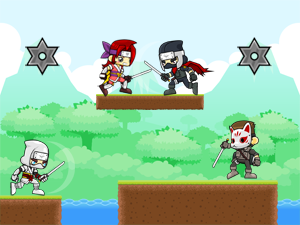
In this typing practice game, the Ninja Cat fights on behalf of you. When you keep typing correctly, your Ninja Cat will keep attacking the other Ninja man. The man will eventually die. What if you make a mistake? The enemy will immediately attack you and you must take damage in such a case.
Keep typing properly until the result statistics are shown.
Play this fast typing game now
3. Keyboard Games: TypeRacer / Type Racer
TypeRacer is also very popular among free typing games. It is not as popular as the Nitro Type Race game but it is also a very popular typing car race game.
Are you looking for typing test paragraphs? In this game, you will get an opportunity to type paragraphs. There are several cars in this game. You own one of the cars. You will see a random paragraph. Your job is to type each word without making any mistakes. Besides being accurate, you must type fast. Slow typing and mistakes will contribute to losing the game.
You will notice that both accuracy and speed are important in most typing practice games.
Play this fast typing game now
4. Keyboard Games: ZType
Few free typing games could reach and hold the popularity of ZType. As far as we have seen, this game has been popular for 10+ years.
This is a space shooter game. Your task is to shoot down the enemy fighter jets. Each enemy fighter jet has a word around it. You finish typing this word and the enemy fighter jet gets destroyed. Then you target another fighter jet and type its word and then it gets destroyed too. This goes on until the game ends.
Although you are allowed to make mistakes in this game, every mistake will cost your typing words per minute score.
Play this fast typing game now
5. Keyboard Games: Zombie Typing Game Typocalypse
In the list of free typing games, the Zombie typing game was very popular once upon a time. You can see other zombie typing games in other websites too because it was very popular once upon a time. It is still somewhat popular nowadays.
The typing game online idea is pretty simple. Zombies will be approaching you. As soon as they are very near to you, they will immediately kill you. Do you want to kill or get killed? Every zombie brings a word with it. You shoot down the zombie by typing the word. Your job is to keep shooting the approaching zombies.
Other similar typing test games work in a very similar way.
Play this fast typing game now
6. Keyboard Games: Dance Mat Typing
It is also one of the most popular free typing games. It was originally developed by BBC and then others made their own versions of this game because of its high popularity.
Our fast typing game here does not totally match with that of the BBC game. In our version, you will find that a child will be dancing. You keep typing correctly, the child will keep dancing and balloons will fly one after another. You start typing incorrectly, the child stops dancing. So, you see this typing game online has a pretty simple idea.
Please note that this game has a long list of exercises. These exercises cover pretty much everything you need for your typing practice.
Play this fast typing game now
7. Keyboard Games: Keyboard Climber 2
10 (ten) years ago, there were many free typing games and Keyboard Climber 2 was a popular choice. Nowadays this game is not as popular as before.
In this typing game online, you have your player jump above and climb all the top levels. In each level, there is an enemy waiting for you. You type some random letters and you kill the enemy when you finish typing the random letters attached to the enemy. You do not need to take any action to jump upward. As soon as you kill an enemy by typing correctly, your player automatically jumps upward to fight with another enemy.
The only purpose of this game is to help the beginners learn alphabet typing.
Play this fast typing game now
8. Keyboard Games: Just Type This
This game does not take place in free typing games. It is an ordinary typing game.
It is a Mario typing game. It is also a platformer game where Mario keeps running and jumping and thus tries to avoid obstacles. There are many moving obstacles in this typing game online. If Mario hits a moving object, it will die immediately. Although Mario will probably get another life, you should be careful so that you do not make any typing mistake. Even if you make a mistake, keep your mistakes to the minimum number.
This game is basically for beginners who need to practice alphabet typing.
Play this fast typing game now
9. Keyboard Games: Flying Race
This typing game also does not expect any place in popularity in free typing games.
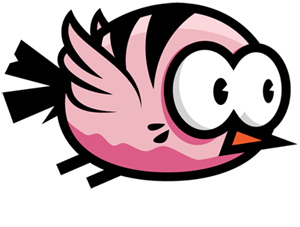
There are several birds in this game. You help one bird to fly fast and win this flying race. When you type fast and correctly, the speed of your bird increases. The speed increases so much that your bird flies past other birds to take the first position. What if you type slowly? What if you type incorrectly? In both these cases, the speed of your bird slows down and it keeps lagging behind. If your typing speed and accuracy does not improve immediately, the chance of your win quickly goes down.
To win in this fast typing game every single time, keep typing fast without making any mistakes.
Play this fast typing game now
10. Keyboard Games: Save The Child
Among all our free typing games, this game is the simplest.
A monster is chasing a child. A child is running for its life. You can help the child to save its life.
At the bottom of the game canvas, you will see a letter from the English alphabet. As soon as you type it, the game begins. Both the child and monster start running. As soon as you type the letters correctly, the child survives. If you keep making typing mistakes, the monster will approach the child fast and kill the child. Your typing speed and accuracy can cost the child's life.
The primary purpose of this typing game online is to help you master typing all letter fast from the English alphabet.
Play this fast typing game now
Bookmark This Page (Ctrl + D)


Typing Test — Top 10 (ten) World Ranking
Get an online typing test certificate now
Please note: We may delete certificates older than 6 (six) months.
Best Score | World Ranking | Countrywise Ranking
Get a Certificate | Register | Log In
WPM = Words per minute
| Sl. | Name | Level | Net WPM | Accuracy | Country |
|---|---|---|---|---|---|
| 1. | Broderick Bagert | Professional | 111 | 99.10% | United States |
| 2. | Farhan | Professional | 93 | 93.96% | Indonesia |
| 3. | Teoh You Le | Professional | 83 | 95.41% | Malaysia |
| 4. | Fluffy Toucan | Fast | 73 | 88.01% | Albania |
| 5. | Fluffy Toucan | Fast | 71 | 92.25% | Albania |
| 6. | Laura Elizabeth Ewing | Fast | 67 | 94.38% | United States |
| 7. | Laura Elizabeth Ewing | Fluent | 60 | 93.79% | United States |
| 8. | abdullah mashia | Fluent | 59 | 98.34% | Puerto Rico |
| 9. | Laura Elizabeth Ewing | Fluent | 59 | 90.77% | United States |
| 10. | Damyan Todorov | Fluent | 57 | 93.49% | Bulgaria |
How we grade your typing speed:
| Level | Net WPM |
|---|---|
| Slow | 0 - 25 |
| Average | 26 - 45 |
| Fluent | 46 - 60 |
| Fast | 61 - 80 |
| Professional | 80+ |
Performance Graph — Based on top 10 (ten) world ranking
Typing Test — Last 25 Practice Results
Get an online typing test certificate now
Please note: We may delete certificates older than 6 (six) months.
Best Score | World Ranking | Countrywise Ranking
Get a Certificate | Register | Log In
The following list shows how some users of this website have performed within last 24 hours.
WPM = Words per minute
How we grade your typing speed:
| Level | Net WPM |
|---|---|
| Slow | 0 - 25 |
| Average | 26 - 45 |
| Fluent | 46 - 60 |
| Fast | 61 - 80 |
| Professional | 80+ |
Performance Graph — Based on last 25 results
Best Typing Games Learn to Type Online
Imagine this: you sit down to type a simple email and your fingers suddenly freeze like they forgot what a keyboard is. You glance down. You hunt for the letters. You peck. You sigh. And then you think, "How do people type so fast without even looking?"
Now here’s the twist.
What if the fastest way to learn is not by grinding boring lessons… but by playing a game that makes you forget you’re practicing?
That’s the magic of typing games learn to type. They turn typing into something you actually want to do. Not something you force yourself to do.
But there’s one big question most beginners never ask, and it’s the difference between “playing a typing game” and “actually learning to type from it.”
Don’t worry. We’ll get to it. Just not yet.
The Real Struggle With Learning To Type
Learning to type sounds simple until you try it.
At first, it feels like your brain and your fingers are speaking different languages. Your eyes keep checking the keyboard. Your hands move like they’re wearing mittens. And your speed feels stuck in slow motion.
That’s why so many beginners quit early. Not because they’re lazy. Not because they’re “bad at computers.” They quit because the practice feels boring and the progress feels invisible.
And the worst part?
A beginner can practice the wrong way for weeks and build habits that actually make typing harder later.
This is exactly where typing games learn to type can save you.
A good game keeps your attention. A good game gives you instant feedback. A good game makes you want “one more round” even when you said you were done.
But not every typing game helps you improve in real life. Some are just flashy distractions. Some train speed but destroy accuracy. Some teach you to mash keys like you’re fighting a keyboard boss battle.
So the real goal is not “play more games.”
The goal is to use typing games learn to type the right way so your fingers build real skills that stick.
Why Typing Games Learn To Type Are So Effective
Typing games learn to type work because they use something powerful: motivation.
When something feels fun, you do it more often. When you do it more often, your brain learns faster.
That’s the basic formula. And it’s not just a “feel good” idea. It’s how habits work.
Games also give you three things traditional practice often doesn’t.
They give you a clear goal. Type this word to shoot the alien. Type this sentence to boost your car. Type accurately to unlock the next level.
They give you instant feedback. You see mistakes right away. You feel the consequences right away. You correct yourself right away.
They give you rewards. Points. Levels. Badges. Streaks. Leaderboards. Even tiny rewards can make your brain stay engaged.
Some research on gamified learning suggests big jumps in engagement compared to plain practice, especially for beginners who get bored easily. And honestly, you don’t need a lab coat to prove it. You can feel it the first time you play a typing game that hooks you.
That’s why typing games learn to type can feel like cheating.
You’re practicing. But it doesn’t feel like practice.
And that’s exactly why it works.
Building Muscle Memory Without Boredom
Every fast typist has a secret. It’s not magical talent. It’s muscle memory.
Muscle memory means your fingers know where to go without your eyes babysitting them.
When muscle memory kicks in, typing stops being a puzzle and starts being automatic. That’s when your speed jumps. That’s when typing feels smooth.
Typing games learn to type build muscle memory through repetition, but in a way that doesn’t feel repetitive.
Think about a racing game.
You don’t drive the same track once and become great. You run it again and again. You learn the turns. You stop thinking. Your hands just do it.
Typing is the same.
In action games like Ztype-style games, you type words to “attack.” In racing games like Typing Racer or Nitro-style games, you type to move faster. In accuracy-focused games, you type carefully to avoid penalties.
Each time you repeat patterns, your brain builds pathways.
And here’s the best part.
When the practice is fun, you do enough repetitions for muscle memory to actually form. That’s why typing games learn to type can do what boring drills often fail to do: keep you practicing long enough for the real transformation to happen.
How Typing Games Build Speed And Accuracy Together
Beginners usually chase speed first. It’s understandable. Speed feels exciting.
But speed without accuracy is like running with your shoelaces untied. You might move fast… until you faceplant.
Accuracy is the foundation. Speed grows on top of it.
The right typing games learn to type train both at once by giving you pressure and feedback.
If the game punishes mistakes, you naturally slow down and clean up errors.
If the game rewards streaks, you focus on consistency.
If the game adds time pressure, you learn to type faster while staying controlled.
Over time, something surprising happens.
You stop thinking about individual letters.
You start thinking in chunks. Whole words. Common patterns. Little bursts of language.
That’s when your fingers glide.
And that’s when you realize you’re not just “getting good at a game.”
You’re getting good at typing in real life.
You’ll notice fewer typos in messages. Faster homework typing. Quicker work emails. Less frustration. More confidence.
That’s the real win of typing games learn to type.
Different Types Of Typing Games Learn To Type
Typing games are not all the same. And if you pick the wrong type for your level, you’ll either get bored or overwhelmed.
The good news is there are different styles for different goals.
Some games teach the basics step by step. They focus on home row, finger placement, and simple words.
Some games focus on speed and reaction time. They push you to type quickly under pressure.
Some games are story-based. Typing is how you move the story forward, which keeps you curious.
Some games are competitive. You race other people, which can boost motivation fast.
Some games focus on weak keys. They track what you struggle with and give you targeted practice.
The key idea is simple: typing games learn to type work best when the game matches your current skill level and your current goal.
If you’re brand new, you need structure.
If you’re intermediate, you need challenge.
If you’re advanced, you need pressure and precision.
We’ll walk through each level so you can pick games that actually help.
Perfect Typing Games For Absolute Beginners
If you’re a true beginner, your first goal is not speed.
Your first goal is comfort.
You want to feel relaxed at the keyboard. You want to stop panicking when you can’t find a letter. You want your hands to start learning where “home” is.
Beginner-friendly typing games learn to type should do three things.
They should teach the home row slowly.
They should give gentle feedback.
They should keep words short and simple.
Games like Dance Mat-style typing lessons are great for this because they guide you step by step. They introduce a few keys at a time. They repeat them. They don’t throw you into chaos.
Typing Club-style platforms are also good because they track progress and keep lessons structured. They often feel like a game because you earn stars, badges, or streaks.
If you’re helping a child, beginner games with colorful characters and short levels work well because kids need quick wins.
If you’re an adult beginner, you still need quick wins. Adults just pretend they don’t. But trust me, adults love unlocking levels too.
Here’s a simple example of what a beginner session should look like with typing games learn to type.
You start with five minutes of slow home row practice inside a lesson game.
Then you play five minutes of a simple word game that uses those keys.
Then you end with a one-minute typing test just to measure, not to judge.
That’s it.
That routine feels easy. But it builds the foundation that makes everything else faster later.
Intermediate Games That Push Your Limits
Once you can type without constantly staring at the keyboard, you enter the fun zone.
This is where you start building real speed.
Intermediate typing games learn to type should add pressure, but not chaos.
Racing games are perfect here because they reward steady speed and accuracy. You type to move forward. If you make mistakes, you slow down. That’s a great lesson.
Multiplayer races can be especially motivating. When you’re racing real people, your brain flips into focus mode. Suddenly, you’re typing faster than you thought you could.
Key-focused games are also helpful at this stage. Some tools generate practice based on your weak letters. If you always mess up R and T, the game gives you more R and T practice until your fingers stop hesitating.
This stage is also where you should start caring about rhythm.
Typing is not just finger movement. It’s timing.
Good intermediate typing games learn to type help you type with a steady flow instead of bursts and stops.
If you type like this: fast fast fast… stop… fast fast… stop… you’ll feel stuck.
If you type like this: steady steady steady… you’ll climb faster than you expect.
Intermediate games teach that without you even realizing it.
Advanced Typing Games For The Pros
When you hit around fifty words per minute, basic games stop feeling challenging.
That’s a good problem to have.
Advanced typing games learn to type should test reaction time, long-word accuracy, and endurance.
Action games work well here. You type under pressure. You must stay accurate. You must stay calm.
Fast-paced defense games are great because they force your brain to process words quickly while your fingers execute them cleanly.
At this level, small mistakes matter more. One wrong letter can break your rhythm. So advanced games should train you to recover quickly.
Advanced typists also benefit from longer practice rounds. Not because longer is always better, but because endurance is a real skill. It’s one thing to type fast for thirty seconds. It’s another thing to stay accurate for ten minutes.
That’s why mixing advanced typing games learn to type with longer typing tests is powerful.
You build speed in games.
You build stamina in longer tests.
Together, they make you dangerous on a keyboard.
The Role Of Practice Frequency
Let’s talk about the boring truth that creates exciting results.
Consistency wins.
Typing games learn to type work best when you play a little every day.
Fifteen minutes a day beats two hours once a week.
Because your brain learns skills through repeated exposure over time. Each short session refreshes the pathways. Each session strengthens muscle memory.
Think of it like building a trail through a forest.
One long walk clears the path a little.
But walking the same trail daily turns it into a smooth road.
A simple plan is to do this.
Ten minutes of typing games learn to type daily.
One or two short typing tests per week to measure progress.
One longer test every couple of weeks to build endurance.
That schedule keeps you improving without burnout.
Common Mistakes Beginners Make
Typing games can help you learn… or help you learn bad habits.
So let’s protect you from the most common traps.
The first mistake is chasing speed too early.
If you spam keys to go fast, you teach your fingers sloppy movement. Sloppy movement becomes a habit. Habits become hard to fix.
The second mistake is ignoring posture.
Bad posture makes your shoulders tense. Tense shoulders make your hands stiff. Stiff hands make typing slower and more tiring.
The third mistake is using only a few fingers.
Two-finger typing can feel comfortable at first, but it puts a hard ceiling on your progress. If you want real speed, you need proper finger use.
The fourth mistake is looking at the keyboard constantly.
Looking down feels helpful, but it delays muscle memory. It’s like learning to ride a bike while staring at your feet.
Typing games learn to type can fix this if you commit to touch typing rules. Use the right fingers. Keep your eyes on the screen. Trust the process.
Even if you slow down at first, you’ll speed up faster later.
That’s the trade.
Tips To Improve Faster With Typing Games
If you want quicker results, you don’t need more willpower.
You need a better method.
Start every session with a warm-up.
Warm-up means typing easy words slowly for one or two minutes so your fingers “wake up.” It reduces early mistakes and helps you find your rhythm.
Set one small goal per week.
Not ten goals. One.
For example, “I will reach ninety-seven percent accuracy consistently.”
Or, “I will add three words per minute this week.”
Or, “I will stop looking down during games.”
Mix game types.
If you only play one kind of typing games learn to type, you’ll get good at that one kind and plateau. Mix accuracy games, speed games, and weak-key games.
Review your errors.
Most people ignore mistakes. Smart learners study them.
If you always miss the same letters, your fingers are telling you something. Use games that target those letters until they stop being a problem.
And here’s a sneaky tip that works unbelievably well.
Stop when you’re still having fun.
If you practice until you hate it, you won’t come back tomorrow. If you stop while you’re still enjoying it, your brain stays excited for the next session.
Typing games learn to type are powerful because they keep you coming back.
Protect that feeling.
How To Track Your Typing Progress Without Getting Discouraged
Tracking progress is motivating… unless you do it the wrong way.
If you test yourself ten times a day and obsess over every number, you’ll feel stressed.
If you track calmly, you’ll feel proud.
Here’s the best way.
Pick one day each week as your “official” check-in day.
Do one warm-up.
Do one typing test.
Write down your words per minute and accuracy.
Most typing games learn to type already track stats like accuracy, streaks, and speed. Use those numbers as feedback, not as your identity.
Because progress is not a straight line.
Some days you’ll type faster. Some days you’ll type slower. Sleep, stress, and focus all change performance.
The real question is: are your weekly averages improving?
If yes, you’re winning.
Even if today felt messy.
Fun Ways To Turn Typing Practice Into A Challenge
Typing gets fun when it feels like a mission.
So give yourself missions.
Try beating your own score by a tiny amount.
Not ten words per minute. Try one.
Try keeping accuracy above a target.
Try playing a “no-look” round where you never look down, even once.
Try a streak challenge.
Can you practice typing games learn to type for seven days in a row without breaking the chain?
Try a “mistake hunt” challenge.
Pick one letter you always mess up. Spend one week fixing it. Then move to the next.
Try a reward system.
Hit a milestone and reward yourself with something small. A snack. A break. A fun video. Whatever feels like a prize.
The goal is not to bribe yourself forever.
The goal is to make typing practice feel like progress, not punishment.
Typing games learn to type make this easier because the game itself already feels like a reward.
The Connection Between Typing And Confidence
Typing speed is a quiet superpower.
People don’t talk about it at parties. Nobody says, “Hey, my hobby is typing.” But when you have it, life gets easier.
You finish tasks faster.
You write more comfortably.
You communicate more clearly because your thoughts can keep up with your fingers.
And that builds confidence.
Confidence shows up when you stop avoiding typing-heavy tasks.
You stop procrastinating emails.
You stop dreading school essays.
You stop feeling slow at work.
Typing games learn to type don’t just teach typing.
They teach you that you can improve a skill you once thought was “not for you.”
That mindset spreads.
And it’s honestly one of the best hidden benefits.
Why Kids Love Typing Games Learn To Type
Kids love games. That part is easy.
But the reason typing games learn to type work so well for kids is that they turn learning into play without the kid feeling tricked.
Kids get immediate feedback, immediate rewards, and immediate excitement.
A monster pops up. They type a word. The monster disappears.
That’s satisfying.
Kids also do better with short levels. Quick wins keep them engaged.
If you’re a parent, typing games learn to type are one of the best ways to make screen time feel like a win instead of a guilt trip.
And if kids learn early, typing becomes normal. It becomes like reading. They don’t fear it.
They just do it.
That early comfort pays off later in school when everything becomes typing-based.
Adults Can Benefit Too
Some adults avoid typing practice because it feels childish.
That’s a mistake.
Adults need typing even more than kids in many cases. Emails, documents, messages, remote work, online forms, notes, research, and everything else.
Typing games learn to type are perfect for adults because they remove the classroom vibe.
You don’t feel judged.
You don’t feel watched.
You just play, improve, and move on with your day.
Adults also love progress when it saves time.
If faster typing saves you even a few minutes a day, that adds up fast over a year.
And here’s the funny part.
Adults often get competitive faster than kids.
Put an adult on a leaderboard and watch what happens.
Typing games learn to type turn that competitive energy into real skill.
How To Choose The Right Typing Game For You
Choosing the right game matters because the wrong game can waste your time.
Start with your level.
If you still hunt-and-peck, pick structured beginner lessons.
If you can type basic sentences without looking down much, pick intermediate games with speed pressure.
If you already type fast, pick games that test accuracy under pressure and longer sessions.
Next, pick based on motivation style.
If you like calm practice, choose structured platforms with gentle progression.
If you love competition, choose racing games and multiplayer typing battles.
If you love story, choose adventure typing games where typing moves the plot.
If you love action, choose shooter-style typing games.
The best typing games learn to type are the ones you’ll actually return to tomorrow.
That’s not a cliché. That’s the entire strategy.
A “perfect” game you never play is useless.
A “good enough” game you play daily is life-changing.
The Hidden Benefits Of Typing Games
Typing games improve more than typing.
They improve focus because you must track words quickly.
They improve patience because you practice steadily.
They improve persistence because you fail, retry, and improve.
They improve hand-eye coordination because your eyes read while your fingers move.
They also train your brain to stay calm under pressure.
Some typing games learn to type get intense. Words fly at you. Timers tick down. You feel the stress.
Then you learn to breathe, slow down, and stay accurate.
That skill is useful everywhere. Tests. Work deadlines. Presentations. Even daily life.
Typing games are like a tiny training gym for your brain.
And you get a real-world skill at the same time.
Not bad for “just a game.”
Can Typing Games Replace Traditional Typing Lessons?
This is a common question, and the honest answer is: it depends.
Typing games learn to type can absolutely teach you typing skills if they include structure and feedback.
But many games don’t teach technique. They just test you.
That’s why the best approach for beginners is a mix.
Use structured lessons to build correct finger placement.
Use typing games learn to type to make practice fun and frequent.
Think of lessons as the map.
Think of games as the engine.
If you only have a map, you don’t move.
If you only have an engine with no direction, you go in circles.
Combine them and you get real progress.
The Science Behind Why Typing Games Work So Well
Typing is a skill your brain learns through repetition, timing, and reward.
Typing games learn to type combine all three.
Repetition happens because you type again and again.
Timing happens because games add rhythm and pressure.
Reward happens because games give points, wins, and progress.
Your brain loves reward. Reward makes learning stick.
Also, games give instant feedback, which is one of the fastest ways to improve any skill.
If you type something wrong and you don’t notice, your brain might repeat it.
If you type something wrong and the game immediately shows it, your brain corrects it right away.
That immediate loop is powerful.
And it explains why typing games learn to type can produce surprisingly fast improvement when used consistently.
But remember that earlier question we teased?
The difference between “playing a typing game” and “actually learning to type from it”?
We’re almost there.
Why Motivation Is The Key To Learning Faster
Motivation is not a personality trait.
It’s a fuel source.
When motivation is high, practice feels easy.
When motivation is low, practice feels impossible.
Typing games learn to type keep motivation high because each session feels like a fresh start.
Even if you practice for ten minutes, you feel like you did something.
You got a score.
You improved a streak.
You beat a level.
That little dopamine kick makes your brain want to repeat the behavior.
This is why a short daily typing game habit often beats long boring practice.
It’s not about “working harder.”
It’s about making practice easy to repeat.
That’s how real skills are built.
Almost accidentally.
That’s the power of typing games learn to type.
How Typing Games Help Build Focus And Discipline
Typing games are sneaky focus training.
You can’t half-focus and do well.
You must pay attention to the screen.
You must process words quickly.
You must respond with accurate movements.
That’s deep focus in disguise.
If you practice regularly, your brain gets better at holding attention. And this doesn’t just help typing.
It can help schoolwork.
It can help reading.
It can help work tasks that require concentration.
Typing games learn to type also build discipline because they’re easy to start.
You don’t need to “get ready.”
You just play.
And once you start, it’s easier to keep going for a few minutes.
That’s how discipline grows. Not through huge heroic effort. Through small daily actions that become normal.
Typing games make that normal.
Turning Typing Into A Daily Habit That Sticks
A daily habit is the real secret.
Not the keyboard.
Not the game.
Not the “best method.”
So here’s a simple routine that works for most beginners.
Pick a daily time.
Attach it to something you already do. After breakfast. After school. After lunch. Before bed.
Then do one short session.
Ten to fifteen minutes of typing games learn to type.
The goal is not to crush yourself.
The goal is to show up.
If you miss a day, don’t panic. Just restart tomorrow. The habit is not broken forever. It’s just paused.
When you build the habit, your progress becomes automatic.
You’ll look back after a month and realize your fingers feel different.
More confident.
More fluent.
That’s when typing starts feeling fun even outside the games.
Typing Games That Improve Real-Life Productivity
Typing speed changes how you use a computer.
If you type faster, you finish tasks faster.
If you finish tasks faster, you have more time.
That time can go into learning, relaxing, or doing better work.
Typing games learn to type create productivity gains that sneak up on you.
At first, you’re just trying to type a little faster.
Then you notice you’re not stuck rewriting sentences because of typos.
Then you notice you’re finishing homework sooner.
Then you notice you’re replying faster in chat.
Then you notice you’re less tired after typing-heavy tasks.
These are small wins that stack.
And stacking wins is how skills become life upgrades.
Typing is one of those rare skills that pays you back daily.
That’s why typing games learn to type are worth it.
How Typing Games Help Reduce Stress
Slow typing can be stressful.
You know what you want to say, but your hands can’t keep up.
That gap creates frustration.
Typing games learn to type shrink that gap.
They also help you relax because they give your brain a single clear focus.
Type the words. Beat the level. Improve the score.
For some people, the rhythm of typing becomes calming.
It’s like a focus break that still feels productive.
A lot of people use typing games between work sessions as a reset.
It’s a short mental refresh that also builds a skill.
That’s a pretty sweet deal.
The Social Side Of Typing Games
Typing used to be lonely practice.
Now it’s social.
Multiplayer typing games learn to type let you race real people, climb leaderboards, and join challenges.
The social element adds energy.
It also adds accountability.
If you join a weekly challenge, you’re more likely to show up.
If you race friends, you’re more likely to practice.
And when you see other people improving, you realize you can improve too.
Social proof matters.
It turns typing from “my boring skill problem” into “a thing people do and get better at.”
Typing games learn to type make that shift possible.
Why Accuracy Matters More Than Speed At First
Let’s lock this in because it saves beginners months of frustration.
Accuracy first.
Speed second.
If you build accuracy, speed comes naturally.
If you build speed with messy accuracy, you hit a wall.
Typing games learn to type teach accuracy when they punish mistakes or break your streak.
So if you’re a beginner, aim for a high accuracy number even if your speed feels slow.
A great beginner target is ninety-five to ninety-eight percent accuracy.
When you can hit that consistently, you’ll be shocked at how easily your speed rises.
Accuracy is the soil.
Speed is the plant.
Grow the soil first.
Fun Typing Games For Kids To Learn Faster
Kids need games that feel playful and simple.
Short rounds.
Bright visuals.
Clear goals.
Typing games learn to type for kids often use themes like jungles, ninjas, adventures, or climbing.
The best part is that kids don’t need to “understand” the science of muscle memory.
They just need to show up and play.
Over time, their fingers learn.
If you’re a parent, keep sessions short.
Ten minutes is plenty.
Make it feel like a fun daily challenge, not a punishment.
And celebrate progress.
A kid who goes from ten words per minute to twenty is not “still slow.”
That kid just doubled their speed.
That’s huge.
Typing games learn to type help kids see that improvement is real.
Why Schools Are Using Typing Games In Classrooms
Schools use typing games because they work with attention spans.
Instead of forcing kids to memorize finger charts, they let kids learn by doing.
Games also help teachers because kids stay engaged longer.
And typing matters in school now more than ever.
Assignments are typed.
Tests are online.
Research is digital.
Typing games learn to type help students keep up with modern learning.
They also give kids a skill that helps in almost every subject, because typing faster makes writing, editing, and creating easier.
When typing becomes automatic, students can focus on ideas instead of keys.
That’s a big educational advantage.
Typing Games And Brain Training
Typing is not just finger movement.
It’s brain processing.
You interpret.
You translate words into movement.
You correct errors.
You stay focused.
That’s a lot of brain work.
Typing games learn to type strengthen these processes by repeating them in fast, focused bursts.
You build reaction time.
You build pattern recognition.
You build attention control.
And because games keep you engaged, you’re more likely to do enough practice for those brain pathways to strengthen.
It’s like mental exercise that also makes you faster at a practical skill.
So yes, typing games can be fun.
But they can also be seriously useful brain training.
How To Avoid Burnout While Practicing
Even fun practice can become tiring if you overdo it.
So don’t.
Use the short-burst method.
Play typing games learn to type for ten to fifteen minutes.
Take a break.
If you want more, come back later.
Rotate game types.
If you always play the same fast-paced game, your brain gets tired and your motivation drops.
One day do an accuracy game.
Another day do a racing game.
Another day do a lesson-based game.
This variety keeps practice fresh.
Also, pay attention to frustration.
If you feel angry at the keyboard, stop. You’re not learning well in that state.
Take a break and return later.
Consistency matters more than intensity.
How To Create A Productive Typing Setup At Home
Your setup matters more than most beginners think.
If your chair is too low, your wrists bend awkwardly.
If your desk is too high, your shoulders tense up.
If your screen is too low, you hunch forward.
So do a quick setup check.
Sit so your elbows are near a right angle.
Keep your wrists relaxed, not bent sharply upward.
Place the keyboard so your hands can rest naturally.
Keep the screen at a comfortable height so your neck stays neutral.
Good lighting helps too because eye strain can reduce focus.
And yes, a clean keyboard helps. Sticky keys are not the kind of “challenge mode” you want.
Typing games learn to type work best when your body feels comfortable, because comfort allows repetition without fatigue.
Inspiring Stories Of Real Improvement With Typing Games
It’s easy to think, “This works for other people, but not for me.”
That’s a classic beginner thought.
So let’s make it real.
Imagine a student named Sarah who types slowly and hates writing essays. Every paragraph feels like a battle. She starts playing typing games learn to type for fifteen minutes a day after school. At first, she feels slow. But after two weeks, she notices fewer mistakes. After a month, her typing speed jumps enough that homework feels easier. After two months, she finishes essays faster and spends less time fixing typos. Her grades improve because she can actually focus on writing, not typing.
Now imagine a freelancer named Mike who writes messages, proposals, and reports. He doesn’t need to be a speed champion, but he needs to be efficient. He plays typing games learn to type in short breaks between tasks. His speed improves. His accuracy improves. He spends less time rewriting. He finishes work faster and can take on more projects without feeling burned out.
These stories are common because the process is simple.
Small daily practice.
Real feedback.
Gradual improvement.
Typing games make that process easier to stick with.
How Typing Games Prepare You For The Future
Typing is not going away.
Even with voice tools and AI, typing remains a core skill because it’s fast, private, precise, and everywhere.
Applications.
Online forms.
Presentations.
Typing is the quiet tool behind modern life.
Typing games learn to type prepare you for that reality.
They give you speed, accuracy, and comfort at the keyboard.
They reduce stress.
They boost productivity.
They make digital life easier.
And the sooner you build this skill, the more it pays you back over time.
The Psychology Of Competition In Typing Games
Competition flips a switch in the brain.
Suddenly, you focus harder.
You react faster.
You care more.
Multiplayer typing games learn to type use that psychology to push you.
When you race another person, you don’t want to quit early.
You want to finish strong.
You want to improve.
That extra effort can boost progress quickly, especially for people who get bored practicing alone.
But competition has one rule.
Do not let it ruin your accuracy.
If competition makes you spam keys and develop sloppy habits, it’s not helping.
Use competition as fuel, not as an excuse to type messy.
Win by being clean.
That’s the best kind of win.
Practical Weekly Plan That Keeps Improving You
Most beginners don’t need a complicated program.
They need a simple plan they can follow without thinking.
Here’s a realistic weekly rhythm using typing games learn to type.
On most days, do a short game session. Ten to fifteen minutes.
Two days per week, add a one-minute typing test after the game.
One day per week, do a slightly longer test, like five minutes, just to build endurance.
That’s enough.
You don’t need hours.
You need consistency.
The weekly tests help you see progress and adjust your focus.
If accuracy is low, slow down.
If accuracy is high, push speed gently.
If one letter keeps causing trouble, target it with a focused game.
That’s how you improve week after week without guessing.
Why Learning To Type Is Like Learning An Instrument
Typing is like playing piano.
At first, you think about every movement.
Which finger goes where?
Where is the key?
How do I hit it?
It feels slow and awkward.
Then you practice patterns.
Over time, the patterns become automatic.
You stop thinking about keys and start thinking about words.
That’s the same moment a pianist stops thinking about notes and starts thinking about music.
Typing games learn to type work like instrument practice because they repeat patterns in a structured way, but with fun pressure and feedback.
You build timing.
You build muscle memory.
You build smooth movement.
And eventually, typing feels effortless.
That’s the goal.
Not just “fast.”
Effortless.
The One Difference Between Playing And Learning
Remember the question we teased at the beginning?
Here it is.
The difference between “playing a typing game” and “actually learning to type from it” is this:
Are you using correct technique while you play?
If you play typing games learn to type while looking down constantly, using random fingers, and rushing through mistakes, you might get better at the game… but not better at typing.
If you play with correct finger placement, eyes on screen, and accuracy-first focus, the game turns into real training.
That’s the secret most beginners miss.
It’s not the game alone.
It’s the way you play it.
So as you go through this blog post, keep that in mind.
You’re not just here to be entertained.
You’re here to build a skill that changes how you use a computer.
Step-By-Step: How To Start If You Are A Complete Beginner
Let’s make this simple and beginner-friendly.
Step one is getting comfortable.
Sit properly.
Place your fingers on the home row.
Relax your shoulders.
Take a breath.
Step two is learning the home row keys.
Use a beginner lesson game that introduces keys slowly.
Don’t rush.
Step three is playing a simple game that uses those keys.
This is where typing games learn to type become fun.
You practice the same keys, but now it feels like a challenge.
Step four is doing a short test once or twice per week.
Not every day.
Just enough to measure progress.
Step five is repeating this routine daily for a few weeks.
If you do this, the results will sneak up on you.
One day you’ll type a sentence without looking down.
One day you’ll realize you can type a whole paragraph smoothly.
One day you’ll look at the keyboard and think, “Wait, when did I stop needing to stare at you?”
That’s muscle memory forming.
That’s the moment typing starts to feel like a superpower.
Step-By-Step: How To Break The “Looking Down” Habit
Looking down is the biggest beginner habit that slows progress.
So let’s fix it with a simple approach.
Start by allowing yourself to look down during setup only.
Place your fingers correctly.
Then eyes up.
Play typing games learn to type that are slow enough for you to stay calm.
When you feel the urge to look down, pause instead.
Yes, pause.
Reset your fingers on home row.
Then continue.
This teaches your brain to trust touch typing.
Over time, reduce looking down to zero.
If you slip, don’t get angry. Just reset.
Breaking this habit can feel uncomfortable for a few days, but it’s one of the fastest ways to improve long-term.
Because once you stop looking down, your brain has no choice but to build muscle memory.
And that’s exactly what you want.
Step-By-Step: How To Fix Accuracy Fast
If your accuracy is low, your speed will never feel stable.
So accuracy becomes your mission.
Start slower than you think you should.
Yes, slower.
In typing games learn to type, focus on clean keystrokes.
If you make a mistake, don’t ignore it.
Correct it.
This trains your brain to notice errors and fix them quickly.
Use games that highlight mistakes clearly.
Use games that reward streaks.
And keep your sessions short so you stay focused.
A quick example.
If you type thirty words per minute with ninety percent accuracy, you will constantly fix errors in real life.
If you type twenty-five words per minute with ninety-eight percent accuracy, you will feel smoother and faster in real tasks.
Accuracy creates flow.
Flow creates speed.
That’s the truth beginners don’t want to hear… until it works.
Typing games learn to type can train this if you approach them with the right focus.
Step-By-Step: How To Increase Speed Without Getting Messy
Once your accuracy is strong, speed comes next.
But speed needs strategy.
Start by increasing speed in small steps.
Don’t try to jump from twenty to fifty in a week.
That’s how sloppy habits form.
Instead, push slightly faster for short bursts inside typing games learn to type.
Then return to comfortable speed.
This teaches your brain to handle faster movement without panic.
Use racing games to build speed naturally.
Use timed challenges to build reaction time.
Use longer practice rounds occasionally to build endurance.
And keep measuring weekly, not hourly.
Speed grows like a plant.
Water it daily.
Don’t yank it out of the ground to see if it’s taller.
A Simple Seven-Day Starter Challenge That Actually Works
If you love clear plans, here’s a seven-day starter challenge using typing games learn to type.
Day one: learn home row basics for ten minutes.
Day two: repeat home row and play a simple word game for ten minutes.
Day three: add a one-minute typing test after your game session.
Day four: play a racing game slowly with accuracy focus.
Day five: do a weak-key session based on what you struggled with.
Day six: play a fun action game, but keep technique clean.
Day seven: do one one-minute test and one five-minute test, then compare to day three.
You don’t need huge numbers.
You need proof of progress.
And this challenge usually gives beginners that proof.
Once you see progress, motivation becomes easier.
Typing games learn to type become something you want to do, not something you force.
And that’s when results compound.
What To Do When You Hit A Plateau
Plateaus are normal.
They feel like nothing is improving, but your brain is often rebuilding behind the scenes.
If you hit a plateau, don’t panic.
Change the type of practice.
If you always do speed games, switch to accuracy games for a week.
If you always do short rounds, add a longer session once a week.
If you always practice the same word lists, switch to different content.
Sometimes your brain needs variety to grow.
Also, check your technique.
Are you looking down again?
Are you using the wrong fingers for certain keys?
Are you tensing your shoulders?
Small technique issues can create big speed limits.
Typing games learn to type can help you break plateaus if you use them strategically instead of repeating the same routine forever.
Common Questions Beginners Ask About Typing Games
A beginner often wonders if they are too old to learn.
No. You can learn at any age. Your brain can build motor skills at any age.
A beginner often wonders how long it takes.
It depends on consistency. Daily practice can create noticeable changes in a few weeks.
A beginner often wonders what speed is “good.”
For everyday comfort, many people aim for around forty words per minute with strong accuracy. But your goal depends on your needs.
A beginner often wonders if they must use all ten fingers.
If you want real speed and less fatigue, yes, proper finger use matters.
A beginner often wonders if typing games learn to type are “real learning.”
They are real learning when you play with correct technique, focus on accuracy, and practice consistently.
And that’s the theme you should keep hearing.
Technique plus consistency equals progress.
Games just make it easier to do consistently.
How To Make Typing Games Feel Even More Fun
Sometimes practice feels stale.
So make it playful again.
Change your game theme.
Try a different style. Story. Racing. Action. Calm lessons.
Change your challenge.
Try a “perfect accuracy” day.
Try a “no-look” day.
Try a “beat my best score by one point” day.
Invite a friend or family member.
Even one friendly race can boost motivation.
Keep your sessions short and end on a win.
Typing games learn to type work best when they feel like a reward, not a chore.
And you control that experience more than you think.
The Game That Changes Everything
Here’s the truth.
Typing games learn to type are not just time-fillers.
They can be the turning point that changes how you feel about typing forever.
They can take you from slow and frustrated to smooth and confident.
They can turn typing into something you do without thinking.
And the best part is you don’t have to suffer to get there.
You just have to play smart.
Play with correct technique.
Play with accuracy first.
Play consistently.
Track progress weekly.
Fix weak spots calmly.
Enjoy the wins.
And keep your eyes on the bigger promise.
Because there’s one moment that makes every beginner smile.
It’s the moment you realize you just typed a full sentence without looking down.
Then you do it again.
Then you do it faster.
And suddenly you’re not “learning to type” anymore.
You’re just typing.
That’s what typing games learn to type can give you.
And if you stick with it a little longer, there’s an even bigger surprise waiting: the moment you realize typing faster doesn’t just save time… it changes how confident you feel every time you sit down at a keyboard.
More Resources
- Best Free Typing Agent for Beginners Online
- Best Free Typing Games for Free to Improve Speed
- Free Online Typewriter Test for Beginners
- Typing Speedometer Online Test for Beginners
- Best Practice Typing Test for Beginners Online
- 10 Fast Fingers Com Free Typing Test Online
- Fast Finger Typing Test Online
- Master Accuracy With SSC CGL Data Entry Speed Test
- Qwerty Practice for Beginners: Learn Typing the Easy Way
- Free Typing Practice with Timer Online Test