Typing Speed Race Challenge: Boost Your WPM Today
9 more typing games: (1) Nitro Type (2) Ninja Cat (3) ZType (4) Zombie Typing Game Typocalypse (5) Dance Mat Typing (6) Keyboard Climber 2 (7) Just Type This (8) Flying Race (9) Save The Child
★★★ 168 Typing Lessons ★★★ $375 Course FREE (Limited Time Offer)
To play this game, just type the words inside the blue area under the game canvas.
Complete a Typing Test in 60 Seconds!
144 Free Typing Practice Lessons. Try Now.
Video Tutorial: How to play this game
How to play:

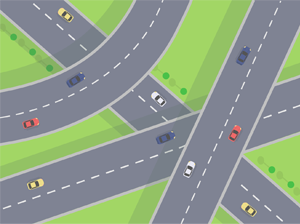
The blue car above is your car. In this TypeRacer / Type Racer game, you should type the words you see just below the game canvas. You should type the words in the input box given below the game canvas. Once you finish typing a line, you will see the next line. Keep typing and keep your competitors behind you.
To select / change difficulty level, please type / press 1, 2, or 3 on your keyboard when you see the game over screen.
You must type fast to win in this TypeRacer / Type Racer game. But every mistake will heavily reduce the chance of winning this game. So, try your best to avoid making mistakes.
In the easy level, you must score minimum 26 words per minute to win. In the medium level, minimum 46 words per minute is required. But in the hard level, you need minimum 81 words per minute to win.
Virtual Gold Medals: If you score more than 80 words per minute, you will get three virtual gold medals which is the highest rank in this game. If you are winning three virtual gold medals every time, you surely have professional typing skill which is a desired skill for many people. But you get two virtual gold medals if score between 61 and 80. Finally, you get only one gold medal for scoring between 46 and 60.
1. Typing Practice » Beginner Level » Home Row (1 - 17)
Practice Lesson 1: Index fingers: J and F
Practice Lesson 2: Middle fingers: K and D
Practice Lesson 3: Review: JFKD
Practice Lesson 4: Ring fingers: S and L
Practice Lesson 5: Pinkie fingers: A and ;
Practice Lesson 6: Index fingers: G and H
Practice Lesson 7: Back and forth
Practice Lesson 8: Left hand keys 1
Practice Lesson 9: Left hand keys 2
Practice Lesson 10: Right hand keys 1
Practice Lesson 11: Right hand keys 2
2. Typing Practice » Beginner Level » Top Row (18 - 32)
Practice Lesson 18: Index fingers: R and U
Practice Lesson 19: Middle fingers: E and I
Practice Lesson 20: Ring fingers: W and O
Practice Lesson 21: Pinkie fingers: Q and P
Practice Lesson 22: Index fingers: T and Y
Practice Lesson 23: Back and forth
Practice Lesson 24: All left hand 1
Practice Lesson 25: All left hand 2
Practice Lesson 26: All right hand 1
Practice Lesson 27: All right hand 2
3. Typing Practice » Beginner Level » Bottom Row (33 - 46)
Practice Lesson 33: Index fingers: V and M
Practice Lesson 34: Middle fingers: C and ,
Practice Lesson 35: Ring fingers: X and .
Practice Lesson 36: Pinkie fingers: Z and /
Practice Lesson 37: Index fingers: B and N
Practice Lesson 38: Back and forth
Practice Lesson 39: All left hand 1
Practice Lesson 40: All left hand 2
Practice Lesson 41: All right hand 1
Practice Lesson 42: All right hand 2
4. Typing Practice » Beginner Level » Miscellaneous (47 - 68)
Practice Lesson 47: Review 1: Left hand words
Practice Lesson 48: Review 2: Right hand words
Practice Lesson 49: Review 3: Alternating hand words
Practice Lesson 50: Capitals 1
Practice Lesson 51: Capitals 2
Practice Lesson 52: Capitals 3
Practice Lesson 53: Capitals 4
Practice Lesson 62: Numeric Keypad 1
Practice Lesson 63: Numeric Keypad 2
Practice Lesson 64: Numeric Keypad 3
Practice Lesson 65: Numeric Keypad 4
Practice Lesson 66: Easy Words
Practice Lesson 67: Easy Words
Practice Lesson 68: Easy Words
5. Typing Practice » Intermediate Level (69 - 110)
Practice Lesson 69: Common Letter Combinations - CK
Practice Lesson 70: Common Letter Combinations - CH
Practice Lesson 71: Common Letter Combinations - PH
Practice Lesson 72: Common Letter Combinations - GH
Practice Lesson 73: Common Letter Combinations - TH
Practice Lesson 74: Common Letter Combinations - DG
Practice Lesson 75: Common Letter Combinations - ION
Practice Lesson 76: Common Letter Combinations - OUS
Practice Lesson 77: Common Letter Combinations - ATE
Practice Lesson 78: Common Letter Combinations - QU
Practice Lesson 79: Common Letter Combinations - IAL
Practice Lesson 80: Common Letter Combinations - ENT
Practice Lesson 81: Common Letter Combinations - ER
Practice Lesson 82: Common Letter Combinations - GRA
Practice Lesson 83: Common Letter Combinations - OR
Practice Lesson 84: Common Letter Combinations - ABLE
Practice Lesson 85: Common Letter Combinations - IC
Practice Lesson 86: Common Letter Combinations - EI
Practice Lesson 87: Common Letter Combinations - ACY
Practice Lesson 88: Common Letter Combinations - EX
Practice Lesson 89: Common Letter Combinations - ON
Practice Lesson 90: Common Letter Combinations - IN
Practice Lesson 91: Common Letter Combinations - ING
Practice Lesson 92: Common Letter Combinations - ARY
Practice Lesson 93: Common Letter Combinations - LY
Practice Lesson 94: Common Letter Combinations - GY
Practice Lesson 95: Common Letter Combinations - ED
Practice Lesson 96: Common Letter Combinations - AL
Practice Lesson 97: Common Letter Combinations - TRAN
Practice Lesson 98: Common phrase practice 1
Practice Lesson 99: Common phrase practice 2
Practice Lesson 100: Common phrase practice 3
Practice Lesson 101: Common phrase practice 4
Practice Lesson 102: Common phrase practice 5
Practice Lesson 103: Common phrase practice 6
Practice Lesson 104: Common phrase practice 7
Practice Lesson 105: Common phrase practice 8
Practice Lesson 106: Common phrase practice 9
Practice Lesson 107: Common phrase practice 10
Practice Lesson 108: Common phrase practice 11
Practice Lesson 109: Common phrase practice 12
Practice Lesson 110: Common phrase practice 13
6. Typing Practice » Advanced Level (111 - 144)
Practice Lesson 111: Using Right Hand SHIFT Key
Practice Lesson 112: Using Left Hand SHIFT key
Practice Lesson 113: Using Each SHIFT Key
Practice Lesson 114: Left hand only - short words
Practice Lesson 115: Left hand only - longer words
Practice Lesson 116: Right hand only - easy words
Practice Lesson 117: Right hand only - harder words
Practice Lesson 118: Words with alternate hands letters
Practice Lesson 119: Numbers and Special Characters - Left hand
Practice Lesson 120: Numbers and Special Characters - Right hand
Practice Lesson 121: Numbers and Special Characters - Left hand - More difficult
Practice Lesson 122: Numbers and Special Characters - Right hand - More difficult
Practice Lesson 123: Tongue twisters 1
Practice Lesson 124: Tongue twisters 2
Practice Lesson 125: Tongue twisters 3
Practice Lesson 126: Tongue twisters 4
Practice Lesson 127: Tongue twisters 5
Practice Lesson 128: Tongue twisters 6
Practice Lesson 129: Tongue twisters 7
Practice Lesson 130: Tongue twisters 8
Practice Lesson 131: Tongue twisters 9
Practice Lesson 132: Tongue twisters 10
Practice Lesson 133: Tongue twisters 11
Practice Lesson 134: Tongue twisters 12
Practice Lesson 135: Tongue twisters 13
Practice Lesson 136: Tongue twisters 14
Practice Lesson 137: Tongue twisters 15
Practice Lesson 138: Tongue twisters 16
Practice Lesson 139: Tongue twisters 17
Practice Lesson 140: Tongue twisters 18
Practice Lesson 141: Tongue twisters 19
Practice Lesson 142: Tongue twisters 20
Practice Lesson 143: The hardest words to type 1
Practice Lesson 144: The hardest words to type 2
7. Typing Practice » Miscellaneous (145 - 166)
Practice Lesson 145: Alphanumeric Typing Test: 1
Practice Lesson 146: Alphanumeric Typing Test: 2
Practice Lesson 147: Alphanumeric Typing Test: 3
Practice Lesson 148: Alphanumeric Typing Test: 4
Practice Lesson 149: Alphanumeric Typing Test: 5
Practice Lesson 150: Alphanumeric Typing Test: 6
Practice Lesson 151: Alphanumeric Typing Test: 7
Practice Lesson 152: Alphanumeric Typing Test: 8
Practice Lesson 153: Alphanumeric Typing Test: 9
Practice Lesson 154: Alphanumeric Typing Test: 10
Practice Lesson 155: English Alphabet Typing Test
Practice Lesson 156: ASDF JKL; - Home-Row Practice
Practice Lesson 157: QWERT YUIOP - Top-Row Practice
Practice Lesson 158: ZXCVB NM,./ - Bottom-Row Practice
Practice Lesson 159: Left Hand Typing Practice
Practice Lesson 160: Right Hand Typing Practice
Practice Lesson 161: Symbols & Special Character
Practice Lesson 162: Numbers & symbols
Practice Lesson 163: Random Word Typing
Practice Lesson 164: Common Word Typing
Practice Lesson 165: Legal Typing Test
Practice Lesson 166: Medical Typing Practice
Practice Lesson 167: Home-Row Typing Practice Words
Practice Lesson 168: Home-Row and Upper Row Typing Practice Words
Online Typing Test in English
1 Minute Typing Test
2 Minute Typing Test
3 Minute Typing Test
5 Minute Typing Test
10 Minute Typing Test
10 Typing Games / Typewriting Games







Bookmark This Page (Ctrl + D)


Typing Test — Top 10 (ten) World Ranking
Get an online typing test certificate now
Please note: We may delete certificates older than 6 (six) months.
Best Score | World Ranking | Countrywise Ranking
Get a Certificate | Register | Log In
WPM = Words per minute
| Sl. | Name | Level | Net WPM | Accuracy | Country |
|---|---|---|---|---|---|
| 1. | Broderick Bagert | Professional | 111 | 99.10% | United States |
| 2. | Farhan | Professional | 93 | 93.96% | Indonesia |
| 3. | Teoh You Le | Professional | 83 | 95.41% | Malaysia |
| 4. | Fluffy Toucan | Fast | 73 | 88.01% | Albania |
| 5. | Fluffy Toucan | Fast | 71 | 92.25% | Albania |
| 6. | Laura Elizabeth Ewing | Fast | 67 | 94.38% | United States |
| 7. | Laura Elizabeth Ewing | Fluent | 60 | 93.79% | United States |
| 8. | abdullah mashia | Fluent | 59 | 98.34% | Puerto Rico |
| 9. | Laura Elizabeth Ewing | Fluent | 59 | 90.77% | United States |
| 10. | Damyan Todorov | Fluent | 57 | 93.49% | Bulgaria |
How we grade your typing speed:
| Level | Net WPM |
|---|---|
| Slow | 0 - 25 |
| Average | 26 - 45 |
| Fluent | 46 - 60 |
| Fast | 61 - 80 |
| Professional | 80+ |
Performance Graph — Based on top 10 (ten) world ranking
Typing Test — Last 25 Practice Results
Get an online typing test certificate now
Please note: We may delete certificates older than 6 (six) months.
Best Score | World Ranking | Countrywise Ranking
Get a Certificate | Register | Log In
The following list shows how some users of this website have performed within last 24 hours.
WPM = Words per minute
How we grade your typing speed:
| Level | Net WPM |
|---|---|
| Slow | 0 - 25 |
| Average | 26 - 45 |
| Fluent | 46 - 60 |
| Fast | 61 - 80 |
| Professional | 80+ |
Performance Graph — Based on last 25 results
Typing Speed Race Challenge: Boost Your WPM Today
Imagine this. The screen flashes a countdown. Three. Two. One. Go. Your fingers launch into action as words race across the screen. You are in a live typing speed race, and every second counts. Somewhere on the other side of the world, another player is trying to beat you by just one word per minute. Your heart beats a little faster. You want to win. But here is the question sitting in the back of your mind. Can this simple typing speed race really change how fast you type in real life, or is it just another online game?
Hold on to that question. Because before this post ends, you will not only know the answer, you will have a complete step-by-step plan to use a typing speed race to boost your WPM, impress your friends, and save real time every day. And there is one specific technique that pro racers quietly use that most beginners never hear about. We will get to that soon, so stay with me.
Now let’s dive into the world of the typing speed race and see why it is so powerful for complete beginners.
Why Typing Speed Matters More Than You Think
Most beginners think typing is just something you do for school assignments or work emails. They do not realize how much typing speed affects almost every part of daily life. You write messages, search online, do homework, fill in forms, play games, and even chat in online lobbies. Every time you touch a keyboard, your typing speed affects how long these tasks take.
The average person types at around 35 to 40 words per minute. Many office workers type around 50 to 60 words per minute. Fast typists can reach 80, 100, or even more. Now imagine this. You and your friend both have to write a 1,200 word essay. You type at 40 words per minute. Your friend types at 80 words per minute. They will finish in half the time. They can relax, play games, or take a nap while you are still typing the conclusion.
That difference adds up over days, weeks, and years. A faster typist may save hours every month. That means less stress, fewer late-night assignments, and more free time. A typing speed race makes the process of getting faster fun instead of boring. You are not just staring at a dull text. You are racing, competing, and getting real-time feedback.
Here is the real problem. Most people never practice. They stay stuck at the same slow speed for years. They believe “this is just the way I type.” The truth is, typing is a skill, just like playing basketball or learning guitar. With practice, especially through typing speed race challenges, you can dramatically improve.
The Hook That Keeps You Curious
Here is the curiosity hook. Many beginners who join a daily typing speed race for just ten minutes see their typing speed increase by 10 to 30 words per minute within a few weeks. That is a huge jump. But why does this happen so quickly? And what is that secret technique pro racers use to jump ahead of others in a typing speed race?
I will reveal that technique a bit later, after you understand the basics. Once you know it, you will never look at a typing speed race the same way again.
What Exactly Is A Typing Speed Race?
A typing speed race is an online challenge where you type a passage as fast and as accurately as possible while racing against others or against your own past scores. The typing speed race might show little cars moving on a track, characters running in a game, or simple progress bars. Your speed and accuracy decide how fast you move.
You are given a text. It might be a story, a random sentence, or a famous quote. When the timer starts, you type. At the end, you see your words per minute, accuracy, and sometimes your rank compared to other players. It is like a digital sprint. The keyboard is your track. Your fingers are your legs.
Some typing speed race platforms let you race against real people in real time. Others let you race against “ghosts” of your previous performances. Either way, the goal is the same. Finish the passage quickly with as few errors as possible.
For beginners, this turns a boring skill into an exciting challenge. Instead of asking, “Do I have to practice typing?” you start thinking, “Can I beat my last typing speed race score?”
The Thrill Of Competition In Typing Speed Races
People love games. We love winning, improving, and seeing our names climb up a scoreboard. A typing speed race uses that natural love for competition to make practice fun.
Imagine you are racing in a typing speed race, and you see another player zooming ahead at 90 words per minute. They are far in front. Your brain kicks in. You lean forward. You focus harder. Without thinking about it, you type faster. You are not just pressing keys. You are chasing someone.
This is the same reason people run faster on a track when someone is next to them. Competition activates your focus and energy. In a typing speed race, that competition helps your fingers move faster and your brain react quicker. Before you know it, you are beating your old scores simply because you wanted to win a race.
Even if you are shy or not very competitive in real life, a typing speed race gives you a safe, fun way to compete. No one sees your face. No one laughs if you are slow. You just keep racing and improving.
Building The Foundation: Proper Typing Technique
Before you jump into typing speed race challenges all day, you need the right foundation. Imagine trying to race cars with flat tires. You will not get far. In the same way, racing with bad typing habits holds you back.
Proper typing technique starts with your posture and finger placement. Sit up straight. Keep your feet flat on the floor. Your wrists should be relaxed, not pressing hard on the desk. Your eyes should look at the screen, not the keyboard.
Now think about the home row keys. For your left hand, place your fingers on A, S, D, and F. For your right hand, place your fingers on J, K, L, and the semicolon key. Your thumbs rest lightly on the space bar. This is your home base. Almost every key you press starts from and returns to this position.
In a typing speed race, fast players almost never look down at the keyboard. They trust muscle memory. At first, this feels scary. You may feel like you will make more mistakes if you do not look. But the only way to build speed is to let your fingers learn the location of each key through repetition.
One simple beginner drill is to practice just the home row letters. Type short words like “sad,” “ask,” “lad,” “fall,” and “dad.” Do this slowly, making sure each finger presses the correct key. Once you feel comfortable, move to the top row and bottom row. Over time, this solid foundation makes you much stronger in every typing speed race.
Start Slow Before You Go Fast
Here is one of the most common beginner mistakes. They open a typing speed race, slam the keyboard, and hope they magically become fast. Instead, they produce a wall of red mistakes and feel frustrated.
Think of learning to type like learning to drive. You do not start on the highway at full speed. You start slow in a parking lot. You learn control first. Then speed comes naturally.
At the beginning, focus on accuracy. Aim for a comfortable pace where you can type almost every word correctly. If you are scoring 95 to 98 percent accuracy at 30 words per minute, that is great. Once you can do that consistently, push yourself a little faster. Maybe aim for 35 or 40 words per minute with the same accuracy.
In a typing speed race, do not panic if someone else is faster. Let them go. Your goal is not just to win one race. Your goal is to build a strong, long-term skill. Over time, your accuracy-focused practice will help you blow past many of those early racers.
Here is a simple rule. If your accuracy drops below about 90 percent in a typing speed race, slow down a bit in the next one. Speed will follow accuracy.
Using Typing Games To Power Up Your Practice
Typing practice can feel boring if all you do is copy long paragraphs. That is where typing games shine. Games turn practice into play. They use colorful graphics, sound effects, and rewards to keep you engaged.
Some games make letters fall from the sky. You have to type the letters before they hit the ground. Others give you enemies that you can “attack” by typing the correct word. Some games are pure typing speed race modes where you race cars or characters on a track.
These games quietly train your fingers and brain. You focus on winning or avoiding “game over,” but in the background your typing muscles are getting stronger.
On your typing test and practice website, you can offer different games for different skill levels. Beginners might start with simple letter and word games. As they improve, they move into full sentence games and then into more serious typing speed race challenges.
Here is a quick example. A beginner named Lily starts with a balloon popping typing game. She has to type short words like “dog,” “cat,” and “sun” before the balloons float away. After a week, she feels more confident. She then tries a typing speed race for the first time. Because she built basic skills in the game, the race feels less scary and more exciting.
Joining Your First Typing Speed Race
Once you have basic technique and a little practice, it is time to enter your first real typing speed race. This is where many beginners feel nervous. That is normal. Just remember, everyone starts somewhere.
When you join your first typing speed race, pick a practice or beginner mode if possible. Do not worry about winning. Your first goal is just to finish the race and see your real WPM.
Maybe your score is 28 words per minute with 85 percent accuracy. That is okay. In fact, it is a great starting point. Write it down. Take a screenshot if you want. This is your first “personal record.”
Your mission is not to beat everyone else. Your mission is to beat your past self. In your next typing speed race, maybe you aim for 30 or 32 words per minute with better accuracy. Every small improvement is a win.
Soon, you will look back at your first typing speed race and laugh at how slow you felt. That is the fun part. You get to see your progress over time.
The Secret Benefit Of Daily Typing Speed Races
Here is where things get interesting. Studies on learning and memory show that short, regular practice sessions are more powerful than long, rare ones. That means ten minutes every day usually beats one hour once a week.
A daily typing speed race takes advantage of this. When you race every day, your brain builds strong connections between the letters, your fingers, and your eyes. The more often you repeat the motion, the more automatic it becomes.
This is why daily racers often see big jumps in their WPM. An average beginner who joins a typing speed race every day for a month might move from 25 or 30 words per minute to 45 or 50 words per minute, sometimes more. The practice is short. The results are large.
Here is a simple daily routine. Spend two or three minutes warming up with simple words or a typing game. Then do three to five typing speed race runs. Try to improve just a little each time. In less than fifteen minutes, you have finished a full training session that moves you closer to your goals.
Tracking Your Progress Like A Pro
Nothing feels better than watching your numbers climb. That is why tracking matters. If you want to grow in the typing speed race world, you need to see what is happening over time.
Use a simple notebook, a note app, or a spreadsheet. After each day of practice, write down your best typing speed race score. Include your WPM and accuracy. You might also write a short note like “felt tired,” “switched to a new keyboard,” or “tried a harder passage.”
After a week, look back. You might notice that your average WPM went up. After a month, you might see that you moved from 32 to 48 words per minute. That is a huge confidence booster.
Tracking also reveals patterns. Maybe you type faster in the evening than in the morning. Maybe your accuracy drops when you try passages with a lot of numbers or punctuation. These clues help you adjust your training.
Treat yourself like an athlete. Athletes track their times, lifts, or distances. You track your typing speed race results. That is how serious improvement happens.
Common Beginner Mistakes In Typing Speed Races
Beginners often fall into the same traps when they enter a typing speed race. Knowing these mistakes ahead of time helps you avoid them.
The first mistake is staring at the keyboard instead of the screen. When your eyes move up and down, your brain works harder. You lose your place and slow down. Try to keep your eyes fixed on the text on the screen. Let your fingers find the keys.
The second mistake is hammering the keyboard. Typing should be light and quick. If you push too hard, your hands will get tired faster. It can also lead to wrist pain over time. Imagine tapping the keys, not punching them.
The third mistake is giving up too soon. Many beginners quit after a few frustrating races. They assume they are just “bad at typing.” But every fast typist you see in a typing speed race started slow. They made mistakes. They stumbled over long words. The difference is that they did not stop.
If you catch yourself making these mistakes, do not feel bad. Just notice them and make small changes. That alone will give you a big advantage in any typing speed race.
A Beginner’s Story: From Slow To Speed Racer
Let’s talk about Mark again, but this time in more detail. Mark was a college student who typed with just two fingers. He could barely hit 25 words per minute. Writing essays was a nightmare. He felt embarrassed when people watched him type.
One day, he found an online typing speed race website. At first, he lost every race. Players with 80 and 90 words per minute speeds left him far behind. He almost quit. But he noticed something. Even though he lost, his WPM kept rising a little bit each week.
Mark made a simple plan. Every day, he would do five typing speed race runs. On weekends, he added a few extra games. He stopped looking at the keyboard and forced himself to use all his fingers. His accuracy dropped at first, but he stuck with it.
After one month, he reached 45 words per minute. After two months, he hit 55. By the end of the semester, he was typing at 85 words per minute with high accuracy. His friends started asking how he was typing so fast. He smiled and said, “You should try a typing speed race every day.”
Mark’s story is not magic. It is simply the power of consistent practice with a typing speed race.
Competing With Friends For Extra Motivation
Practicing alone is good. Practicing with friends is powerful. When you invite friends, classmates, or coworkers to join a typing speed race, everything becomes more exciting.
You can set up small challenges. For example, you and your friend agree that whoever loses the typing speed race buys the other a snack. Or maybe your group decides that the weekly winner gets to pick the next movie night film.
This playful pressure makes you try harder. You laugh, you tease each other, and you all get better together. You can also create mini tournaments. Everyone runs a typing speed race three times. The highest WPM wins. Even if you do not win, you will still improve.
Teachers and parents can use this too. In a classroom, a short typing speed race can wake students up and turn practice into a fun activity instead of a boring task.
Upgrading Your Tools For Better Races
You do not need fancy gear to join a typing speed race, but better tools can help once you are practicing regularly.
The keyboard is your main tool. Many fast typists prefer mechanical keyboards because they give clear feedback when you press a key. The keys feel more responsive. Some people type faster and more comfortably on them. If you can, try different keyboards and see which one feels best for you.
Desk and chair setup also matter. Your chair should let your feet rest flat on the floor. Your desk height should keep your arms at a comfortable angle. Your screen should be at eye level or slightly below so you are not bending your neck too much.
Small changes like these can reduce fatigue. That means you can comfortably practice more typing speed race runs without pain or discomfort.
Learning From Mistakes In Every Race
Every typing speed race is a mini teacher. At the end of each race, look at your results. Did you miss certain letters more often? Did you struggle with punctuation marks like commas or semicolons?
Maybe you realize you always mess up on words like “through” or “because.” Instead of ignoring that, write those words down. Practice them slowly a few times. Use them in your own sentences. The next time they appear in a typing speed race, you will handle them easily.
Treat each mistake as a clue, not a failure. The more clues you collect, the faster you improve.
Why Typing Speed Races Feel So Addictive
Typing speed races combine three things that the human brain loves: challenge, progress, and reward. The challenge is beating a clock or another player. The progress is watching your WPM and accuracy go up. The reward is the little rush of pride when you see a new personal best.
That is why it is easy to say, “Just one more typing speed race,” and then play five more. This is good for your skill as long as you listen to your body and take breaks when needed.
Unlike a lot of boring drills, a typing speed race keeps you engaged. You are more likely to stick with it for weeks and months. That is exactly what you need to turn from a slow beginner into a fast, confident typist.
Building Long-Term Speed And Endurance
Typing speed is not just about short bursts. In many real-life situations, you need to type longer texts, like essays, reports, or long emails. That is where endurance comes in.
To build endurance, mix your short typing speed race runs with longer practice sessions. For example, you might do three quick races, then spend five to ten minutes typing a longer passage at a steady pace.
This teaches your fingers and brain to maintain speed and accuracy over time. It is like training for both sprints and a marathon. You become ready for quick chats and long projects.
A simple plan is to spend most days doing short typing speed race sessions and one or two days a week doing longer, steady typing practice. Together, these methods build strong, long-lasting speed.
Making Typing A Daily Habit
The fastest racers in any typing speed race community are not always the most talented. They are the most consistent. They show up day after day, even when they are busy or tired.
To become one of them, create a small daily routine. Choose a regular time. It might be right after school, during a lunch break, or before bed. Tell yourself, “At this time, I do my typing speed race practice.”
You do not need a huge block of time. Ten to fifteen minutes is enough. The key is to stick with it. Over weeks and months, these small daily sessions turn into massive progress.
Treat your typing speed race practice like brushing your teeth. It is not optional. It is just something you do every day to keep yourself in good shape.
The Big Question Answered: Do Races Really Work?
At the beginning, we asked a big question. Can a simple typing speed race really make you faster, sharper, and more confident?
By now, you have probably felt the answer. Yes. A typing speed race works because it combines correct technique, consistent practice, and fun competition. It turns typing from a boring task into something you actually want to do.
You learn to type without looking at the keyboard. You build speed, accuracy, and confidence. You start to feel proud of how fast you can type. You save time in school, at work, and in your personal life.
And remember that secret technique I mentioned earlier? Let’s talk about that now.
Advanced Strategies To Dominate A Typing Speed Race
Here is the secret that many pro racers use. They read ahead. In a typing speed race, beginners look at each word only when they get to it. Pros let their eyes move slightly ahead of their fingers. While they are typing one word, their eyes are already scanning the next few words.
This gives their brain a head start. By the time their fingers reach the next word, the brain already knows what it is. The fingers do not have to pause and “think.” Everything flows.
You can practice this by consciously telling yourself to look a little ahead in the text. Start small. Try to be one word ahead. As you get better, you can scan several words ahead.
Another advanced strategy is to practice with harder texts. If you only do easy passages, you will get stuck at a certain level. Try paragraphs with punctuation, numbers, or uncommon words. This might make your typing speed race score drop at first, but when you go back to normal text, it will feel much easier.
You can also train specific weaknesses. If you are bad with capital letters, practice sentences where every word starts with a capital. If you struggle with certain letter combinations, like “th,” “st,” or “ing,” type them many times in a row.
The Role Of Focus And Mindset
Typing fast is not just about fingers. It is also about focus. In a typing speed race, distractions are your enemy. If your phone is buzzing or people are talking loudly, your accuracy and speed drop.
Before you start a typing speed race, set up your environment. Put your phone on silent. Close extra tabs. Take a deep breath. Tell yourself, “For the next minute, I am only focusing on this race.”
Your mindset matters too. If you think, “I am so slow, I will never improve,” you will feel discouraged and stop trying. Instead, tell yourself, “Every race makes me better. I am learning with each one.”
Treat each typing speed race as practice, not a final exam. You are allowed to make mistakes. The goal is to grow, not to be perfect on day one.
Using Warm-Ups Before Every Race
Athletes stretch before running. Singers warm up their voices. Typists can warm up their fingers.
Before your first typing speed race of the day, spend two or three minutes warming up. You can type the alphabet forward and backward. You can type simple words like “home,” “fast,” “race,” and “keyboard” again and again. You can also do a short, slow practice passage.
This wakes up your fingers and your brain. Many people notice that their first typing speed race of the day is their slowest. A warm-up helps you avoid that. You start with better control and speed right away.
Balancing Speed And Accuracy
One of the hardest parts of any typing speed race is balancing speed and accuracy. If you go too fast, your screen fills with red errors. If you go too slow, your WPM score stays low.
Think of speed and accuracy as two sides of the same coin. You want both. A good rule is to aim for at least 95 percent accuracy. If your accuracy falls below that, focus on slowing down a bit while keeping steady.
Imagine two racers. One types at 90 words per minute with 70 percent accuracy. The other types at 70 words per minute with 97 percent accuracy. In many typing speed race systems, the second racer will get a better final score because accuracy penalties hurt the first racer.
Train yourself to type quickly but cleanly. As your accuracy improves, you can carefully push your speed a little higher.
How Typing Speed Races Improve Real-Life Productivity
Some people wonder if a typing speed race is just a fun game with no real benefits. In reality, the skills transfer directly to your daily life.
Imagine finishing your homework in half the usual time. Imagine writing emails at work so quickly that you surprise your boss. Imagine chatting in games and being the fastest person in the lobby. These are all real effects of better typing speed.
You also feel less stressed when you see a large block of text to type. Instead of thinking, “This will take forever,” you think, “I can handle this. I am fast.” That confidence shows up in school, at work, and even in personal projects like writing stories or starting a blog.
The more you join a typing speed race, the more automatic your typing becomes. Your brain can focus on ideas instead of letter hunting. That frees your mind to be more creative and clear.
Training With Different Types Of Text
If you always practice with one style of passage, you might get stuck. The moment the text changes, your typing speed race score might crash.
To avoid this, mix up your practice. Try simple stories one day. Use news-style paragraphs another day. Add passages with numbers, dates, and symbols. If you are interested in coding or math, try typing short code snippets or formulas.
This variety prepares you for anything. When a typing speed race gives you a weird sentence with lots of commas and long words, you will not panic. You will think, “I have typed things like this before. I can do it.”
Variety keeps your brain active too. It prevents boredom and keeps you curious about what the next typing speed race will bring.
Breaking Through Typing Speed Plateaus
Almost every typist hits a plateau. For weeks, your typing speed race scores hover around the same WPM. You feel stuck.
This is normal. Your brain and muscles need time to adjust to new levels. The key is not to give up. Instead, change your approach.
You can switch to a different typing speed race platform for a while. You can try harder passages. You can focus on very slow, high-accuracy practice for a few days and then jump back into full-speed races.
Sometimes just changing your keyboard or your practice time breaks the plateau. Maybe you are sharper in the morning than at night. Try that and see.
Plateaus are a sign that you are pushing your limits. Keep going. The next jump in speed often comes right after the most frustrating period.
The Social Side Of Typing Speed Races
Typing seems like a solo activity, but typing speed races create real community. Many websites have leaderboards, chat rooms, and tournaments. You can see your name climb up the list as your scores improve.
You might make friends with other racers who practice at the same time every day. You can share tips, celebrate wins, and encourage each other after bad races.
In a world where many online activities are just about watching, a typing speed race is about doing. You are actively improving yourself while having fun with others. That is a powerful combination.
The Science Behind Typing Speed Race Training
Typing looks simple from the outside, but inside your brain, a lot is happening. When you join a typing speed race, your brain is processing language, planning movements, and sending signals to your fingers in fractions of a second.
Researchers know that repeated practice builds stronger connections in the brain. This process is sometimes called “muscle memory,” even though the memory is in your brain, not in your muscles. The more you practice, the less effort it takes to type common words.
Typing also trains your attention and reaction time. In a fast typing speed race, you have to react quickly to each new word and fix mistakes on the fly. That sharp mental work can even help you in other areas, like reading or problem solving.
So when you sit down for a typing speed race, remember you are not just playing a game. You are actually training your brain too.
Turning Mistakes Into Powerful Lessons
When you lose a typing speed race or see a low score, it is easy to feel disappointed. But every mistake is a hint about what to improve.
If you notice you always miss keys on the left side of the keyboard, maybe your left hand needs extra practice. If long words cause you problems, you can practice typing them slowly and clearly.
You can even make a “trouble word list.” Write down any word that gives you trouble in a typing speed race. Then spend five minutes a day typing those words. Over time, your trouble words disappear, and your typing speed race scores climb.
Building Confidence Through Races
One hidden gift of the typing speed race is confidence. When you know you can type quickly and accurately, many tasks feel easier. You no longer dread long assignments. You do not feel embarrassed when someone watches you type.
Imagine sitting in a class or a meeting and someone saying, “Can someone take notes?” You volunteer, type quickly, and people notice. That feels good. It tells you, “I am capable. I have a useful skill.”
This confidence can spread into other areas of your life. If you trained yourself to get better at a typing speed race, you might feel more capable of learning other skills too.
Staying Healthy: Taking Breaks And Avoiding Fatigue
As fun as a typing speed race can be, you should listen to your body. Long sessions without breaks can strain your hands, wrists, shoulders, and eyes.
A good rule is to take a short break every 20 to 30 minutes. Stand up. Stretch your fingers. Roll your shoulders. Look away from the screen for a bit. These simple actions keep your body feeling good.
You should also pay attention to pain. If your wrists or hands start hurting, stop for the day or switch to something else. No typing speed race is worth an injury. Healthy practice beats heavy practice.
Why Kids And Students Love Typing Speed Races
Typing speed races are especially powerful for kids and students. Young learners often get bored with traditional typing exercises. A typing speed race makes it feel like a game instead of homework.
Teachers can use typing speed race sessions as quick warm-ups before writing activities. Students get excited when they beat their old scores. They may even start racing each other for fun.
Parents like typing speed races too because they encourage practice without constant nagging. Instead of saying, “Please practice typing,” they can say, “Want to try beating your best typing speed race score today?”
Pushing Toward Elite Levels Of Speed
Some people fall in love with typing so much that they aim for elite speeds. They want to see how far they can go. It is not unusual to find typing speed race champions reaching 120, 150, or even more words per minute.
Reaching these levels takes serious dedication. It means months or years of consistent practice, proper technique, and smart training. But you do not have to hit those numbers to benefit. Even going from 30 to 60 words per minute can change your daily life in a big way.
The main message is this. You always have room to grow. The typing speed race world gives you a clear path to follow, from slow beginner to confident racer and beyond.
Creating Your Own Typing Speed Race Practice Plan
To make things simple, here is a sample plan you can follow as a complete beginner.
First, choose a daily practice time that works for you. Then follow this structure. Spend two minutes warming up with simple words or an easy passage. Spend eight to ten minutes doing three to five typing speed race runs. After each race, glance at your WPM and accuracy. At the end, write down your best score for the day.
On two days each week, add a longer five to ten minute steady typing session after your races. Use a paragraph from a book, an article, or a story. Type it at a comfortable speed with high accuracy.
Stick to this plan for four weeks. At the end, compare your first and last typing speed race scores. You might be shocked at how much you have improved.
Answering Common Beginner Questions About Typing Speed Races
Beginners often have similar questions when they hear about a typing speed race for the first time.
They ask, “What if I am really slow?” The answer is simple. That is okay. A typing speed race is not only for fast people. It is a tool to help you become faster. Your only real competition is your old self.
They ask, “Should I focus on speed or accuracy first?” The best answer is accuracy first, then speed. You build speed on top of solid accuracy. Otherwise, you just train yourself to type mistakes faster.
They ask, “How long will it take to see results?” The exact time is different for everyone, but many beginners notice progress within one or two weeks of daily practice. After a month, the difference is usually very clear.
They ask, “Do I need a special keyboard?” No, you can start with whatever keyboard you have. Later, if you want extra comfort or speed, you can try other keyboards and see if they help.
They ask, “Is it too late to start?” Absolutely not. You can join a typing speed race at any age. Whether you are a student, a worker, or a grandparent, your brain and fingers can still learn.
The Endless Fun Of The Typing Speed Race
At the end of the day, the typing speed race is more than just a test. It is a challenge, a game, and a training tool all in one. It turns something that used to feel slow and annoying into something fast, exciting, and rewarding.
Each time you sit at your keyboard, you have a choice. You can type the old way, slowly, with frustration. Or you can treat your keyboard like a racetrack, start a typing speed race, and push yourself a little further than yesterday.
The keyboard is waiting. The countdown is about to begin. Three. Two. One. Go.
More Resources
- Best Learn to Type Website for Complete Beginners
- Speed Up Typing Speed with Daily Practice
- Free Typing Certificate Exam Online for Beginners
- Master Type Per Second and Boost Your Speed Fast
- Freetyping net Lessons To Sharpen Your Typing Skills
- Learn Typing Practice Fast Online
- Best Typing Speed Test Game Free for Beginners
- Learn Typing Faster Online with Free Practice Tools
- Free Written Typing Test for Beginners Online
- Learn Blind Typing Online the Easy Way