Best Free Typing Test Race Game for Beginners
9 more typing games: (1) Nitro Type (2) Ninja Cat (3) ZType (4) Zombie Typing Game Typocalypse (5) Dance Mat Typing (6) Keyboard Climber 2 (7) Just Type This (8) Flying Race (9) Save The Child
★★★ 168 Typing Lessons ★★★ $375 Course FREE (Limited Time Offer)
To play this game, just type the words inside the blue area under the game canvas.
Complete a Typing Test in 60 Seconds!
144 Free Typing Practice Lessons. Try Now.
Video Tutorial: How to play this game
How to play:

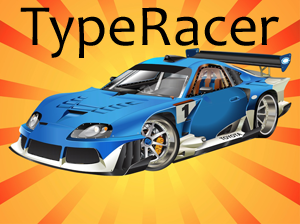
The blue car above is your car. In this TypeRacer / Type Racer game, you should type the words you see just below the game canvas. You should type the words in the input box given below the game canvas. Once you finish typing a line, you will see the next line. Keep typing and keep your competitors behind you.
To select / change difficulty level, please type / press 1, 2, or 3 on your keyboard when you see the game over screen.
You must type fast to win in this TypeRacer / Type Racer game. But every mistake will heavily reduce the chance of winning this game. So, try your best to avoid making mistakes.
In the easy level, you must score minimum 26 words per minute to win. In the medium level, minimum 46 words per minute is required. But in the hard level, you need minimum 81 words per minute to win.
Virtual Gold Medals: If you score more than 80 words per minute, you will get three virtual gold medals which is the highest rank in this game. If you are winning three virtual gold medals every time, you surely have professional typing skill which is a desired skill for many people. But you get two virtual gold medals if score between 61 and 80. Finally, you get only one gold medal for scoring between 46 and 60.
1. Typing Practice » Beginner Level » Home Row (1 - 17)
Practice Lesson 1: Index fingers: J and F
Practice Lesson 2: Middle fingers: K and D
Practice Lesson 3: Review: JFKD
Practice Lesson 4: Ring fingers: S and L
Practice Lesson 5: Pinkie fingers: A and ;
Practice Lesson 6: Index fingers: G and H
Practice Lesson 7: Back and forth
Practice Lesson 8: Left hand keys 1
Practice Lesson 9: Left hand keys 2
Practice Lesson 10: Right hand keys 1
Practice Lesson 11: Right hand keys 2
2. Typing Practice » Beginner Level » Top Row (18 - 32)
Practice Lesson 18: Index fingers: R and U
Practice Lesson 19: Middle fingers: E and I
Practice Lesson 20: Ring fingers: W and O
Practice Lesson 21: Pinkie fingers: Q and P
Practice Lesson 22: Index fingers: T and Y
Practice Lesson 23: Back and forth
Practice Lesson 24: All left hand 1
Practice Lesson 25: All left hand 2
Practice Lesson 26: All right hand 1
Practice Lesson 27: All right hand 2
3. Typing Practice » Beginner Level » Bottom Row (33 - 46)
Practice Lesson 33: Index fingers: V and M
Practice Lesson 34: Middle fingers: C and ,
Practice Lesson 35: Ring fingers: X and .
Practice Lesson 36: Pinkie fingers: Z and /
Practice Lesson 37: Index fingers: B and N
Practice Lesson 38: Back and forth
Practice Lesson 39: All left hand 1
Practice Lesson 40: All left hand 2
Practice Lesson 41: All right hand 1
Practice Lesson 42: All right hand 2
4. Typing Practice » Beginner Level » Miscellaneous (47 - 68)
Practice Lesson 47: Review 1: Left hand words
Practice Lesson 48: Review 2: Right hand words
Practice Lesson 49: Review 3: Alternating hand words
Practice Lesson 50: Capitals 1
Practice Lesson 51: Capitals 2
Practice Lesson 52: Capitals 3
Practice Lesson 53: Capitals 4
Practice Lesson 62: Numeric Keypad 1
Practice Lesson 63: Numeric Keypad 2
Practice Lesson 64: Numeric Keypad 3
Practice Lesson 65: Numeric Keypad 4
Practice Lesson 66: Easy Words
Practice Lesson 67: Easy Words
Practice Lesson 68: Easy Words
5. Typing Practice » Intermediate Level (69 - 110)
Practice Lesson 69: Common Letter Combinations - CK
Practice Lesson 70: Common Letter Combinations - CH
Practice Lesson 71: Common Letter Combinations - PH
Practice Lesson 72: Common Letter Combinations - GH
Practice Lesson 73: Common Letter Combinations - TH
Practice Lesson 74: Common Letter Combinations - DG
Practice Lesson 75: Common Letter Combinations - ION
Practice Lesson 76: Common Letter Combinations - OUS
Practice Lesson 77: Common Letter Combinations - ATE
Practice Lesson 78: Common Letter Combinations - QU
Practice Lesson 79: Common Letter Combinations - IAL
Practice Lesson 80: Common Letter Combinations - ENT
Practice Lesson 81: Common Letter Combinations - ER
Practice Lesson 82: Common Letter Combinations - GRA
Practice Lesson 83: Common Letter Combinations - OR
Practice Lesson 84: Common Letter Combinations - ABLE
Practice Lesson 85: Common Letter Combinations - IC
Practice Lesson 86: Common Letter Combinations - EI
Practice Lesson 87: Common Letter Combinations - ACY
Practice Lesson 88: Common Letter Combinations - EX
Practice Lesson 89: Common Letter Combinations - ON
Practice Lesson 90: Common Letter Combinations - IN
Practice Lesson 91: Common Letter Combinations - ING
Practice Lesson 92: Common Letter Combinations - ARY
Practice Lesson 93: Common Letter Combinations - LY
Practice Lesson 94: Common Letter Combinations - GY
Practice Lesson 95: Common Letter Combinations - ED
Practice Lesson 96: Common Letter Combinations - AL
Practice Lesson 97: Common Letter Combinations - TRAN
Practice Lesson 98: Common phrase practice 1
Practice Lesson 99: Common phrase practice 2
Practice Lesson 100: Common phrase practice 3
Practice Lesson 101: Common phrase practice 4
Practice Lesson 102: Common phrase practice 5
Practice Lesson 103: Common phrase practice 6
Practice Lesson 104: Common phrase practice 7
Practice Lesson 105: Common phrase practice 8
Practice Lesson 106: Common phrase practice 9
Practice Lesson 107: Common phrase practice 10
Practice Lesson 108: Common phrase practice 11
Practice Lesson 109: Common phrase practice 12
Practice Lesson 110: Common phrase practice 13
6. Typing Practice » Advanced Level (111 - 144)
Practice Lesson 111: Using Right Hand SHIFT Key
Practice Lesson 112: Using Left Hand SHIFT key
Practice Lesson 113: Using Each SHIFT Key
Practice Lesson 114: Left hand only - short words
Practice Lesson 115: Left hand only - longer words
Practice Lesson 116: Right hand only - easy words
Practice Lesson 117: Right hand only - harder words
Practice Lesson 118: Words with alternate hands letters
Practice Lesson 119: Numbers and Special Characters - Left hand
Practice Lesson 120: Numbers and Special Characters - Right hand
Practice Lesson 121: Numbers and Special Characters - Left hand - More difficult
Practice Lesson 122: Numbers and Special Characters - Right hand - More difficult
Practice Lesson 123: Tongue twisters 1
Practice Lesson 124: Tongue twisters 2
Practice Lesson 125: Tongue twisters 3
Practice Lesson 126: Tongue twisters 4
Practice Lesson 127: Tongue twisters 5
Practice Lesson 128: Tongue twisters 6
Practice Lesson 129: Tongue twisters 7
Practice Lesson 130: Tongue twisters 8
Practice Lesson 131: Tongue twisters 9
Practice Lesson 132: Tongue twisters 10
Practice Lesson 133: Tongue twisters 11
Practice Lesson 134: Tongue twisters 12
Practice Lesson 135: Tongue twisters 13
Practice Lesson 136: Tongue twisters 14
Practice Lesson 137: Tongue twisters 15
Practice Lesson 138: Tongue twisters 16
Practice Lesson 139: Tongue twisters 17
Practice Lesson 140: Tongue twisters 18
Practice Lesson 141: Tongue twisters 19
Practice Lesson 142: Tongue twisters 20
Practice Lesson 143: The hardest words to type 1
Practice Lesson 144: The hardest words to type 2
7. Typing Practice » Miscellaneous (145 - 166)
Practice Lesson 145: Alphanumeric Typing Test: 1
Practice Lesson 146: Alphanumeric Typing Test: 2
Practice Lesson 147: Alphanumeric Typing Test: 3
Practice Lesson 148: Alphanumeric Typing Test: 4
Practice Lesson 149: Alphanumeric Typing Test: 5
Practice Lesson 150: Alphanumeric Typing Test: 6
Practice Lesson 151: Alphanumeric Typing Test: 7
Practice Lesson 152: Alphanumeric Typing Test: 8
Practice Lesson 153: Alphanumeric Typing Test: 9
Practice Lesson 154: Alphanumeric Typing Test: 10
Practice Lesson 155: English Alphabet Typing Test
Practice Lesson 156: ASDF JKL; - Home-Row Practice
Practice Lesson 157: QWERT YUIOP - Top-Row Practice
Practice Lesson 158: ZXCVB NM,./ - Bottom-Row Practice
Practice Lesson 159: Left Hand Typing Practice
Practice Lesson 160: Right Hand Typing Practice
Practice Lesson 161: Symbols & Special Character
Practice Lesson 162: Numbers & symbols
Practice Lesson 163: Random Word Typing
Practice Lesson 164: Common Word Typing
Practice Lesson 165: Legal Typing Test
Practice Lesson 166: Medical Typing Practice
Practice Lesson 167: Home-Row Typing Practice Words
Practice Lesson 168: Home-Row and Upper Row Typing Practice Words
Online Typing Test in English
1 Minute Typing Test
2 Minute Typing Test
3 Minute Typing Test
5 Minute Typing Test
10 Minute Typing Test
10 Typing Games / Typewriting Games





Bookmark This Page (Ctrl + D)


Typing Test — Top 10 (ten) World Ranking
Get an online typing test certificate now
Please note: We may delete certificates older than 6 (six) months.
Best Score | World Ranking | Countrywise Ranking
Get a Certificate | Register | Log In
WPM = Words per minute
| Sl. | Name | Level | Net WPM | Accuracy | Country |
|---|---|---|---|---|---|
| 1. | Broderick Bagert | Professional | 111 | 99.10% | United States |
| 2. | Farhan | Professional | 93 | 93.96% | Indonesia |
| 3. | Teoh You Le | Professional | 83 | 95.41% | Malaysia |
| 4. | Braeden Edward O'Daniel | Fast | 68 | 97.13% | United States |
| 5. | Laura Elizabeth Ewing | Fast | 67 | 94.38% | United States |
| 6. | Laura Elizabeth Ewing | Fluent | 60 | 93.79% | United States |
| 7. | Laura Elizabeth Ewing | Fluent | 59 | 90.77% | United States |
| 8. | Laura Elizabeth Ewing | Fluent | 56 | 93.29% | United States |
| 9. | Laura Elizabeth Ewing | Fluent | 53 | 82.87% | United States |
| 10. | Osama Abbas hussain | Fluent | 47 | 100.00% | Pakistan |
How we grade your typing speed:
| Level | Net WPM |
|---|---|
| Slow | 0 - 25 |
| Average | 26 - 45 |
| Fluent | 46 - 60 |
| Fast | 61 - 80 |
| Professional | 80+ |
Performance Graph — Based on top 10 (ten) world ranking
Typing Test — Last 25 Practice Results
Get an online typing test certificate now
Please note: We may delete certificates older than 6 (six) months.
Best Score | World Ranking | Countrywise Ranking
Get a Certificate | Register | Log In
The following list shows how some users of this website have performed within last 24 hours.
WPM = Words per minute
How we grade your typing speed:
| Level | Net WPM |
|---|---|
| Slow | 0 - 25 |
| Average | 26 - 45 |
| Fluent | 46 - 60 |
| Fast | 61 - 80 |
| Professional | 80+ |
Performance Graph — Based on last 25 results
Best Free Typing Test Race Game for Beginners
Imagine this. You sit down at your computer for what you think will be a boring typing lesson. Then the countdown begins. Three. Two. One. Suddenly, words start flashing across the screen. Your fingers jump into action. A tiny car on your screen starts moving. Another player pulls ahead. Then another. Now your heart is beating faster. You are not just typing anymore. You are chasing. You are competing. You are trying to win.
That is the magic of a typing test race game.
It takes something simple, like typing words on a keyboard, and turns it into a fast, exciting challenge. Instead of feeling like homework, it feels like a game you want to play again. And again. And again.
But here is the part that makes people curious. Can a typing test race game really help beginners type faster and more accurately, or does it just make practice look fun without real results?
The answer is more interesting than most people expect. In fact, there is one reason typing games work so well for beginners, and once you understand it, you may never want to practice typing the old boring way again.
Why Typing Practice Feels So Boring Without a Game
Let’s be honest. Traditional typing practice can feel dry. You sit there repeating letters, words, and sentences with no real excitement. There is no movement. No pressure. No thrill. Just you, the keyboard, and the slow feeling that time forgot you existed.
That is one of the biggest reasons beginners quit. It is not always because typing is hard. It is often because typing practice feels dull.
A typing test race game changes that feeling right away. The moment you add a race, a timer, moving objects, and other players, your brain wakes up. It pays more attention. It wants to do better. It wants to win. Even if you do not win, you still feel the urge to try one more round.
That simple change matters a lot. When something feels fun, people stick with it longer. And when people stick with practice longer, they improve.
That is why a typing test race game is not just entertainment. It is a smart way to turn practice into something people actually want to do.
The Simple Idea Behind a Typing Test Race Game
A typing test race game is exactly what it sounds like. It combines a typing test with a race.
You get a piece of text on the screen. Other players get the same text. As each person types, their car, character, rocket, or icon moves forward. The faster and more accurately they type, the faster they move. The player who finishes first, or who types best within the time limit, wins the race.
That is the basic idea. Simple. Clear. Addictive.
A beginner can understand it in seconds. There is no long setup. No confusing rules. You just open the game, join a race, and start typing.
This simplicity is one reason a typing test race game works so well. Beginners do not want a complicated system when they are already learning a new skill. They want something easy to start and fun to repeat.
Why Beginners Love the Feeling of Racing While Typing
Beginners often feel nervous about typing. They worry they are too slow. They worry they will make mistakes. They worry someone else will be much better.
Oddly enough, a typing test race game can make those fears smaller.
Why? Because the race itself gives you something else to focus on. Instead of thinking, “I hope I do not mess up,” you think, “Come on, go faster.” Instead of worrying about being perfect, you focus on moving ahead. That little shift changes everything.
It feels playful. It feels active. It feels alive.
Many beginners enjoy a typing test race game because it makes them forget they are practicing a skill. They get pulled into the challenge. They want to beat their own score. They want to move up the leaderboard. They want to do one better race than yesterday.
And that is a powerful thing. When beginners stop feeling trapped by practice, they start growing faster.
How a Typing Test Race Game Works Step by Step
If you are brand new, here is what usually happens in a typical typing test race game.
First, you open the game on a website or platform. Most are browser-based, so you do not need to install anything complicated.
Next, you choose a mode. Some games let you play alone. Some let you join real-time multiplayer races. Some offer both.
After that, you may pick a race length. This could be a short 1-minute race, a medium 3-minute race, or a longer challenge. Some games give you one paragraph. Others use quotes, stories, or random sentences.
Then the countdown starts. You see the text. You place your fingers on the keyboard. And the moment the timer begins, you start typing.
As you type, your progress appears on the screen. In a typing test race game, this progress usually controls your position in the race. Type well, and your car or avatar moves forward. Make too many errors, and you slow down.
When the race ends, the game shows your results. You may see your words per minute, your accuracy, your errors, and your place in the race.
That quick cycle is one of the best parts. In just a minute or two, you get action, feedback, and a clear result. Then you can jump into another round right away.
Why a Typing Test Race Game Works Better Than Repetitive Drills
A lot of old-school typing practice is built on repetition alone. Repeat letters. Repeat rows. Repeat words. Repeat again.
Repetition is important, yes. But repetition without excitement can wear people down.
A typing test race game still gives you repetition, but it hides it inside something fun. You are still practicing finger movement. You are still learning key positions. You are still building speed and muscle memory. But now your brain sees it as a challenge instead of a chore.
That matters because learning works better when attention is high.
Research on skill building has shown again and again that engagement improves practice quality. When people care about the activity, they focus more. When they focus more, they learn faster. When they get instant feedback, they improve more efficiently.
A typing test race game gives all three. It gives engagement, focus, and feedback.
So yes, it may look like a game on the surface. But under the hood, it is doing serious training.
The Science Behind Fun, Competition, and Faster Learning
There is a reason games are so effective for learning. They trigger motivation.
When you play a typing test race game, your brain gets small rewards. Maybe you beat your previous words per minute. Maybe you climb one place higher than last time. Maybe you finally hit 95 percent accuracy. These little wins feel good.
That good feeling matters. It can release dopamine, a chemical linked to reward and motivation. Dopamine does not just make you happy. It can also help reinforce habits. That means you are more likely to come back and practice again.
Competition adds another layer. When you race against real people or even against your own old score, you naturally try harder. You focus more. You care more. And because you care more, your effort improves.
This is one reason a typing test race game can help beginners improve faster than a plain typing worksheet. The game makes the brain participate, not just the fingers.
Turning a Keyboard Into a Racetrack
There is something funny and wonderful about a typing test race game. It takes a keyboard, one of the most normal tools in the world, and makes it feel dramatic.
Every letter becomes movement. Every sentence becomes progress. Every mistake becomes a pothole in the road.
That visual connection is powerful for beginners. It helps them see typing in action.
Instead of reading a lesson about speed and accuracy, they can watch those things happen. If they type smoothly, they move ahead. If they stop to fix lots of mistakes, they fall behind. It is visual. It is immediate. It makes sense.
That is why a typing test race game has such high retention. It does not just tell you what matters. It shows you.
Why Motivation Matters More Than Most Beginners Realize
Skill growth is not only about methods. It is also about showing up.
A beginner who practices ten minutes a day for a month will usually beat a beginner who practices one hour once a week. Consistency wins.
The problem is that consistency is hard when practice is boring. That is exactly where a typing test race game shines.
Because it is fun, you are more likely to return tomorrow. Because it is short, you are more likely to fit it into your day. Because it shows progress quickly, you are more likely to believe the effort is worth it.
And belief is huge.
When a beginner sees improvement, even a small improvement, they start thinking, “Maybe I really can get good at this.” That thought becomes fuel. It keeps them going.
A typing test race game is very good at creating that fuel.
How to Set Smart Goals Before You Start Racing
One big mistake beginners make is jumping into a typing test race game with no goal at all. They just play and hope improvement happens by itself.
Improvement can happen that way. But goals make it faster.
Start simple. If your speed is 22 words per minute, aim for 25. If your accuracy is 88 percent, aim for 92 percent. If you panic in races, aim to stay calm through three rounds in a row.
Make the goals small. Small goals are easier to hit, and small wins keep motivation alive.
For example, you might say:
This week, I will play a typing test race game for ten minutes a day.
This week, I will focus on keeping my accuracy above 95 percent.
This week, I will stop looking at the keyboard so often.
These are clear, useful goals. They guide your practice without making it stressful.
And once you hit them, you set the next goal. That is how beginners turn random practice into steady progress.
Why Accuracy Comes Before Raw Speed
The race part of a typing test race game can make beginners obsessed with speed. They want to blast through the text like a superhero on espresso.
But speed without accuracy is messy. It does not help much.
If you type fast but make many mistakes, you waste time correcting words. You also train bad habits. That is why the best beginners treat accuracy as the foundation.
Think of it like building a house. Speed is the second floor. Accuracy is the foundation. If the foundation is shaky, the whole thing becomes unstable.
A better approach is this. In the early days of using a typing test race game, try to keep your typing smooth and clean. Let your fingers learn the right paths. Once your accuracy becomes strong, your speed will rise much more naturally.
This may sound less exciting than “just go faster,” but it works better.
And here is the funny part. When your accuracy improves, your race results often improve too. Clean typing can beat messy fast typing more often than beginners expect.
Learning From Mistakes Instead of Feeling Bad About Them
Everyone makes mistakes in a typing test race game. Everyone. Even experienced typists mess up when the pressure rises.
The key is not to treat mistakes like proof that you are bad. Treat them like clues.
Maybe you always miss letters on the left side of the keyboard. Maybe the words “because” and “through” slow you down. Maybe capital letters throw you off. Maybe punctuation feels like tiny traps.
Good typing games show these weaknesses clearly. That is useful. It tells you what needs work.
For example, if you notice that you often hit nearby keys by accident, that may mean your finger control needs more careful practice. If you notice that short common words trip you up, that may mean you are rushing too fast.
A typing test race game is not just measuring you. It is teaching you where to improve.
That is why smart beginners review their results after each race. Not for long. Just enough to notice patterns. Those patterns can save weeks of slow progress.
A Real Beginner Example That Shows How Growth Happens
Let’s imagine a beginner named Mia.
Mia types at 24 words per minute. She feels slow. She also looks down at the keyboard almost every few seconds. Regular typing drills bore her in less than five minutes.
Then she tries a typing test race game.
On day one, she loses almost every race. She laughs a little, but she keeps playing because the race is fun. On day three, she notices something interesting. She is still losing, but she is making fewer mistakes. On day seven, her speed reaches 29 words per minute. On day fourteen, she hits 34. A month later, she can type 42 words per minute with much better accuracy.
Did she become amazing overnight? No.
Did she improve because the game was magical? Not exactly.
She improved because the game kept her practicing. It made her care. It gave her feedback. It made repetition feel fun.
That is the real power of a typing test race game. It does not replace effort. It makes effort easier to repeat.
Why Friendly Competition Can Keep You Coming Back
Practicing alone can work, but it can also feel lonely. A typing test race game adds social energy.
When you race friends, siblings, classmates, or random players online, you get a little emotional spark. You want to do better. You want to surprise them. You want the sweet joy of saying, “Ha, I beat you this time.”
That little bit of competition can be incredibly useful.
It creates accountability. If your friend is improving, you want to improve too. If someone beats your score, you want another chance. If you finally win after many tries, it feels rewarding.
And because the competition is usually light and playful, it does not need to feel serious or stressful.
For many beginners, this social side is what makes a typing test race game stick. It turns typing into something they share, not just something they do alone.
How a Typing Test Race Game Trains Your Brain Too
Typing improvement is not only about fingers. It is also about the brain.
When you play a typing test race game, your brain has to do several things at once. It reads upcoming words. It recognizes letter patterns. It sends movement instructions to your fingers. It monitors mistakes. It manages timing. It keeps pace under pressure.
That is a lot of mental work packed into a short activity.
Over time, this can improve focus, reaction speed, and hand-eye coordination. Some people even notice that their reading flow improves because they get faster at seeing word patterns. Others feel more comfortable working on computers in general.
The reason is simple. A typing test race game trains quick, accurate response. That skill can support many digital tasks.
So while the game may look playful, it is doing serious brain work in the background.
Building Muscle Memory One Race at a Time
If you have ever watched a skilled typist, it can feel almost unfair. Their fingers move without hesitation. They do not stare at the keyboard. They do not hunt for every letter like it is hiding in the bushes.
That smooth typing comes from muscle memory.
Muscle memory means your fingers learn the movements so well that they happen almost automatically. You no longer have to consciously think about every key.
A typing test race game helps build this by giving you repeated, meaningful practice. You type real words. You type them under light pressure. You repeat common patterns again and again.
Soon, your fingers start remembering more than your mind does.
That is when typing begins to feel easier. You stop fighting the keyboard. You start flowing across it.
And because a typing test race game keeps practice interesting, you get enough repetition for that muscle memory to grow.
Choosing the Right Typing Test Race Game for Your Level
Not every game fits every beginner.
Some typing games are very fast and competitive right away. Others are more beginner-friendly. Some focus heavily on multiplayer racing. Others give you better solo practice tools. Some offer detailed stats. Others keep things very simple.
If you are a complete beginner, look for a typing test race game that offers clear text, simple controls, and visible accuracy tracking. If possible, choose one that lets you start with shorter races. Short races feel less overwhelming.
It also helps if the game includes progress tracking. When you can see your words per minute and accuracy over time, it becomes much easier to stay motivated.
You may want to test a few platforms before settling on your favorite. That is normal. The best typing test race game for you is the one you enjoy enough to use often.
A good game does not need to be flashy. It needs to make you want to return.
How to Practice Daily Without Feeling Burned Out
One of the best things about a typing test race game is that you do not need giant practice sessions.
Ten to fifteen minutes can be enough.
Here is a simple daily plan for beginners:
Start with one short warm-up race.
Then do two or three normal races while focusing on accuracy.
After that, try one race where you push speed a little more.
Finally, look at your results for one minute and notice what improved.
That is it.
This kind of routine works because it is small, repeatable, and easy to fit into daily life. You can do it before homework, after school, during a work break, or in the evening.
Small daily sessions beat huge exhausting sessions. They keep your mind fresh and your hands relaxed. And they reduce the chance that you start hating practice.
That is another reason a typing test race game works so well. It fits modern attention spans. Quick. Clear. Repeatable.
Common Beginner Mistakes That Slow Down Progress
Beginners often make the same mistakes, and a typing test race game can reveal them fast.
One common mistake is staring at the keyboard. This slows reading and breaks rhythm. It also prevents you from developing real touch typing habits.
Another mistake is using too few fingers. Some beginners type almost everything with two or three fingers. It works for a while, but it limits speed later.
Another problem is rushing too hard. In a typing test race game, the pressure to move fast can cause panic typing. That leads to more errors, more corrections, and less useful practice.
Poor posture is another issue. Slouching, stiff wrists, or awkward keyboard placement can cause fatigue. When your body is uncomfortable, your typing suffers.
And finally, many beginners ignore the results screen. They just jump into the next race. But that results screen contains useful clues. It can show whether your errors are improving, whether your speed is consistent, and whether your accuracy drops when you push too hard.
A typing test race game gives you the information. You just have to pay attention.
Why Kids, Teens, and Adults All Benefit From Typing Race Games
One nice thing about a typing test race game is that it works for almost every age group.
Kids like the visuals, the movement, and the feeling of play. It feels more like a game than a lesson.
Teens often enjoy the competitive side. Leaderboards, challenge, and improvement feel rewarding.
Adults like the efficiency. They can practice in short bursts and quickly see whether they are improving.
Students can use a typing test race game to prepare for schoolwork, essays, and online assignments. Office workers can use it to improve emails, reports, and everyday computer tasks. Job seekers can use it to sharpen speed for typing assessments.
That wide usefulness is a big reason typing race games continue to grow in popularity. They solve a real problem in a fun way.
How Typing Skills Help Far Beyond the Game
Some people think typing speed is just a nice extra skill. But in a digital world, it is much more than that.
If you type well, you can finish assignments faster. You can write emails with less effort. You can take notes more smoothly. You can communicate online without feeling clumsy or slow.
Good typing can also support jobs in customer service, data entry, writing, administration, and remote work. Even in careers where typing is not the main task, it still saves time every day.
That is why using a typing test race game is not just about winning a race on a screen. It is about building a skill that can help you in school, work, and daily life.
You may start because the race looks fun. But the benefits reach much further.
How a Typing Test Race Game Reduces Fear of Timed Tests
A lot of beginners feel anxious during timed typing tests. The clock feels rude. The pressure feels heavy. The whole thing can make your brain go blank.
A typing test race game helps with that by making timed typing normal. You experience it over and over in a playful context. The timer stops feeling scary. The countdown stops feeling dramatic. It becomes familiar.
This matters because familiarity reduces anxiety.
By the time you take a formal typing test for school or work, the format feels less strange. Your fingers already know the rhythm. Your mind already knows how to stay calmer.
That may not sound flashy, but it is a real advantage.
Why Variety Matters in Typing Practice
If every typing session uses the same kind of text, practice can become stale. Worse, you may get good at only one narrow pattern.
Many typing platforms solve this by giving variety. A typing test race game may use quotes, common phrases, full paragraphs, long words, short words, or mixed punctuation. Some even change themes or visual styles.
This variety keeps practice fresh. It also makes your typing more flexible.
For example, typing short simple words is different from typing a long sentence with commas and apostrophes. Both are useful. By seeing different text styles, you learn to adapt faster.
That is important in real life because real typing is varied too. Emails do not look like school essays. Chat messages do not look like articles. A good typing test race game exposes you to many patterns.
What Research and Statistics Suggest About Typing and Practice
Different studies and educational reports have shown that keyboarding skill improves with regular practice, feedback, and active engagement. That combination matters. Passive learning is weaker. Active learning tends to stick better.
Many adults type somewhere around 35 to 45 words per minute, while stronger typists often reach 60 or more. Professional-level typing can go much higher. The gap between slow and strong typists often comes down to habit, technique, and consistent practice rather than talent.
That should encourage beginners.
You do not need magic fingers. You do not need to be born fast. You need a useful method and enough repetition.
A typing test race game supports both. It makes practice active, frequent, and engaging. That is why so many beginners see meaningful changes in a matter of weeks, not years.
How to Use Results Data the Smart Way
After each race, most platforms show statistics. Do not ignore them.
Your words per minute tells you about speed.
Your accuracy tells you how clean that speed was.
Your error count tells you how often your fingers or focus slipped.
Your race rank can show how you compare, but it should not be the only thing you care about.
The smartest way to use a typing test race game is to look for patterns over time. Maybe your average speed is rising slowly. Great. Maybe your speed rises but your accuracy crashes. That tells you to slow down a little. Maybe your first race each day is weak, but your third race is much better. That tells you warming up matters.
These small observations help you practice better. And better practice leads to faster improvement.
How to Make Practice Feel Like a Habit Instead of a Task
Habits grow when actions are easy to start.
That is why it helps to attach your typing practice to something you already do. Play a typing test race game right after breakfast. Or after school. Or before checking social media. Or during one part of your study routine.
Keep the entry barrier low. Tell yourself you only need two races. Very often, once you begin, you will do more.
This is one of the hidden strengths of a typing test race game. Starting feels easy because the activity feels light. You are not saying, “Now I must begin serious training.” You are saying, “I will play one quick round.”
That small difference can make daily practice much more realistic.
A Beginner-Friendly Routine You Can Actually Follow
Here is a practical routine for complete beginners.
Day one through day seven: Play a typing test race game for ten minutes. Focus on staying calm and reading clearly. Do not chase maximum speed yet.
Day eight through day fourteen: Keep the daily ten minutes. Now try to beat your average words per minute while keeping accuracy above 93 to 95 percent.
Day fifteen through day twenty-one: Add one longer race or one extra challenge race. Start working on keeping your eyes on the screen.
Day twenty-two through day thirty: Review your weak patterns. If numbers, capital letters, or punctuation slow you down, spend one or two races paying extra attention to them.
This kind of routine is simple enough to follow and strong enough to create progress.
And because it uses a typing test race game, it is far more enjoyable than many older training methods.
The Emotional Side of Improvement
Skill growth is not only technical. It is emotional too.
At first, beginners often feel awkward. Then they feel hopeful. Then frustrated. Then excited. Then proud. Sometimes all in the same week.
A typing test race game handles this emotional roller coaster better than plain drills because each round feels like a fresh start. Bad race? No big deal. There is another one in ten seconds. Great race? Awesome. Try to repeat it.
This quick reset makes it easier to stay emotionally balanced.
You do not get stuck staring at one bad result for long. You move on. You try again. You keep playing.
That is a healthy way to learn. It turns mistakes into moments instead of identities.
Why Some Players Improve So Fast
When you hear stories about someone going from 20 words per minute to 50 or 60, it can sound unreal. But it happens more often than people think.
The reason is usually not mystery talent. It is usually a mix of three things.
First, they practiced consistently.
Second, they used feedback instead of ignoring it.
Third, they found a method they enjoyed, like a typing test race game, so they actually kept going.
This matters because it means improvement is not reserved for a special few. Most beginners can get much better than they expect if they practice well and practice often.
The biggest challenge is not usually ability. It is staying engaged long enough for progress to show up.
That is exactly what a typing test race game helps solve.
The Future of Typing Games Looks Even Smarter
Typing games keep evolving.
Some platforms now offer detailed analytics. Some show accuracy by letter or key group. Some offer daily challenges and streaks. Some are adding more personalized learning features. Others may use smarter systems to notice your weak spots and give you custom practice.
That means the future typing test race game may be even better for beginners than current versions. It may not just show your score. It may help explain why the score happened and how to improve faster.
As school, work, and communication keep moving online, typing skill will keep mattering. So these games are likely to become even more useful, not less.
Why Beginners Keep Coming Back to the Race
At the heart of it all, a typing test race game works because it makes improvement feel exciting.
You feel movement. You feel progress. You feel challenge.
You do not have to wait months to notice a difference. Sometimes you see it in days. Your fingers hesitate a little less. Your eyes stay on the screen a little longer. Your results slowly rise.
That creates momentum.
And once you feel momentum, it becomes much easier to keep going.
One Last Important Truth About Winning
Here is something beginners should remember. In a typing test race game, winning the race is fun. But it is not the most important win.
The bigger win is becoming more comfortable at the keyboard.
The bigger win is typing a school paragraph without frustration.
The bigger win is finishing work faster.
The bigger win is watching your nervous beginner hands become calm, confident, and capable.
So yes, enjoy the race. Try to win. Laugh when you lose. Celebrate when you place first.
But remember what is really happening underneath all that fun.
You are building a skill that can help you for years.
Why a Typing Test Race Game Is One of the Best Tools for Beginners
Learning to type fast used to mean dry drills, endless repetition, and the constant temptation to quit. A typing test race game changes that story. It gives beginners a reason to keep going. It turns practice into play. It makes speed, accuracy, focus, and consistency feel rewarding instead of painful.
That is why so many people improve with it.
A typing test race game gives you action. It gives you feedback. It gives you motivation. It gives you a reason to return tomorrow.
And that may be the biggest secret of all.
The best practice is not always the one that looks most serious.
The best practice is often the one you will actually keep doing.
So if you are a beginner wondering whether a typing test race game is worth trying, the answer is yes. It can be a fun first step, a daily habit, and a powerful way to grow your speed and accuracy over time.
Your keyboard does not have to feel like homework.
It can feel like a racetrack.
And the next time the countdown begins, you may be surprised by just how fast your fingers are ready to fly.
More Resources
- Best Online Typing Speed Test Words Per Minute
- Top Exercises to Online Type Faster and Accurately
- Master Beginner Typing Lessons and Boost Your Speed
- Master Online Typing Skills for Beginners
- Typing Test Speed Paragraph For Beginners
- Best Typing Improvement Games for Beginners
- Best Free Typing Speed Car Game to Boost Your Skills
- Best Tutorial Typing Master for Beginners
- Type Faster Free With Easy Daily Practice
- Speed Typing in Keyboard for Beginners