Best Word Typing Race Games to Boost Your Speed
9 more typing games: (1) Nitro Type (2) Ninja Cat (3) ZType (4) Zombie Typing Game Typocalypse (5) Dance Mat Typing (6) Keyboard Climber 2 (7) Just Type This (8) Flying Race (9) Save The Child
★★★ 168 Typing Lessons ★★★ $375 Course FREE (Limited Time Offer)
To play this game, just type the words inside the blue area under the game canvas.
Complete a Typing Test in 60 Seconds!
144 Free Typing Practice Lessons. Try Now.
Video Tutorial: How to play this game
How to play:

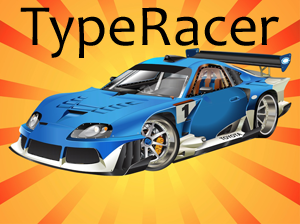
The blue car above is your car. In this TypeRacer / Type Racer game, you should type the words you see just below the game canvas. You should type the words in the input box given below the game canvas. Once you finish typing a line, you will see the next line. Keep typing and keep your competitors behind you.
To select / change difficulty level, please type / press 1, 2, or 3 on your keyboard when you see the game over screen.
You must type fast to win in this TypeRacer / Type Racer game. But every mistake will heavily reduce the chance of winning this game. So, try your best to avoid making mistakes.
In the easy level, you must score minimum 26 words per minute to win. In the medium level, minimum 46 words per minute is required. But in the hard level, you need minimum 81 words per minute to win.
Virtual Gold Medals: If you score more than 80 words per minute, you will get three virtual gold medals which is the highest rank in this game. If you are winning three virtual gold medals every time, you surely have professional typing skill which is a desired skill for many people. But you get two virtual gold medals if score between 61 and 80. Finally, you get only one gold medal for scoring between 46 and 60.
1. Typing Practice » Beginner Level » Home Row (1 - 17)
Practice Lesson 1: Index fingers: J and F
Practice Lesson 2: Middle fingers: K and D
Practice Lesson 3: Review: JFKD
Practice Lesson 4: Ring fingers: S and L
Practice Lesson 5: Pinkie fingers: A and ;
Practice Lesson 6: Index fingers: G and H
Practice Lesson 7: Back and forth
Practice Lesson 8: Left hand keys 1
Practice Lesson 9: Left hand keys 2
Practice Lesson 10: Right hand keys 1
Practice Lesson 11: Right hand keys 2
2. Typing Practice » Beginner Level » Top Row (18 - 32)
Practice Lesson 18: Index fingers: R and U
Practice Lesson 19: Middle fingers: E and I
Practice Lesson 20: Ring fingers: W and O
Practice Lesson 21: Pinkie fingers: Q and P
Practice Lesson 22: Index fingers: T and Y
Practice Lesson 23: Back and forth
Practice Lesson 24: All left hand 1
Practice Lesson 25: All left hand 2
Practice Lesson 26: All right hand 1
Practice Lesson 27: All right hand 2
3. Typing Practice » Beginner Level » Bottom Row (33 - 46)
Practice Lesson 33: Index fingers: V and M
Practice Lesson 34: Middle fingers: C and ,
Practice Lesson 35: Ring fingers: X and .
Practice Lesson 36: Pinkie fingers: Z and /
Practice Lesson 37: Index fingers: B and N
Practice Lesson 38: Back and forth
Practice Lesson 39: All left hand 1
Practice Lesson 40: All left hand 2
Practice Lesson 41: All right hand 1
Practice Lesson 42: All right hand 2
4. Typing Practice » Beginner Level » Miscellaneous (47 - 68)
Practice Lesson 47: Review 1: Left hand words
Practice Lesson 48: Review 2: Right hand words
Practice Lesson 49: Review 3: Alternating hand words
Practice Lesson 50: Capitals 1
Practice Lesson 51: Capitals 2
Practice Lesson 52: Capitals 3
Practice Lesson 53: Capitals 4
Practice Lesson 62: Numeric Keypad 1
Practice Lesson 63: Numeric Keypad 2
Practice Lesson 64: Numeric Keypad 3
Practice Lesson 65: Numeric Keypad 4
Practice Lesson 66: Easy Words
Practice Lesson 67: Easy Words
Practice Lesson 68: Easy Words
5. Typing Practice » Intermediate Level (69 - 110)
Practice Lesson 69: Common Letter Combinations - CK
Practice Lesson 70: Common Letter Combinations - CH
Practice Lesson 71: Common Letter Combinations - PH
Practice Lesson 72: Common Letter Combinations - GH
Practice Lesson 73: Common Letter Combinations - TH
Practice Lesson 74: Common Letter Combinations - DG
Practice Lesson 75: Common Letter Combinations - ION
Practice Lesson 76: Common Letter Combinations - OUS
Practice Lesson 77: Common Letter Combinations - ATE
Practice Lesson 78: Common Letter Combinations - QU
Practice Lesson 79: Common Letter Combinations - IAL
Practice Lesson 80: Common Letter Combinations - ENT
Practice Lesson 81: Common Letter Combinations - ER
Practice Lesson 82: Common Letter Combinations - GRA
Practice Lesson 83: Common Letter Combinations - OR
Practice Lesson 84: Common Letter Combinations - ABLE
Practice Lesson 85: Common Letter Combinations - IC
Practice Lesson 86: Common Letter Combinations - EI
Practice Lesson 87: Common Letter Combinations - ACY
Practice Lesson 88: Common Letter Combinations - EX
Practice Lesson 89: Common Letter Combinations - ON
Practice Lesson 90: Common Letter Combinations - IN
Practice Lesson 91: Common Letter Combinations - ING
Practice Lesson 92: Common Letter Combinations - ARY
Practice Lesson 93: Common Letter Combinations - LY
Practice Lesson 94: Common Letter Combinations - GY
Practice Lesson 95: Common Letter Combinations - ED
Practice Lesson 96: Common Letter Combinations - AL
Practice Lesson 97: Common Letter Combinations - TRAN
Practice Lesson 98: Common phrase practice 1
Practice Lesson 99: Common phrase practice 2
Practice Lesson 100: Common phrase practice 3
Practice Lesson 101: Common phrase practice 4
Practice Lesson 102: Common phrase practice 5
Practice Lesson 103: Common phrase practice 6
Practice Lesson 104: Common phrase practice 7
Practice Lesson 105: Common phrase practice 8
Practice Lesson 106: Common phrase practice 9
Practice Lesson 107: Common phrase practice 10
Practice Lesson 108: Common phrase practice 11
Practice Lesson 109: Common phrase practice 12
Practice Lesson 110: Common phrase practice 13
6. Typing Practice » Advanced Level (111 - 144)
Practice Lesson 111: Using Right Hand SHIFT Key
Practice Lesson 112: Using Left Hand SHIFT key
Practice Lesson 113: Using Each SHIFT Key
Practice Lesson 114: Left hand only - short words
Practice Lesson 115: Left hand only - longer words
Practice Lesson 116: Right hand only - easy words
Practice Lesson 117: Right hand only - harder words
Practice Lesson 118: Words with alternate hands letters
Practice Lesson 119: Numbers and Special Characters - Left hand
Practice Lesson 120: Numbers and Special Characters - Right hand
Practice Lesson 121: Numbers and Special Characters - Left hand - More difficult
Practice Lesson 122: Numbers and Special Characters - Right hand - More difficult
Practice Lesson 123: Tongue twisters 1
Practice Lesson 124: Tongue twisters 2
Practice Lesson 125: Tongue twisters 3
Practice Lesson 126: Tongue twisters 4
Practice Lesson 127: Tongue twisters 5
Practice Lesson 128: Tongue twisters 6
Practice Lesson 129: Tongue twisters 7
Practice Lesson 130: Tongue twisters 8
Practice Lesson 131: Tongue twisters 9
Practice Lesson 132: Tongue twisters 10
Practice Lesson 133: Tongue twisters 11
Practice Lesson 134: Tongue twisters 12
Practice Lesson 135: Tongue twisters 13
Practice Lesson 136: Tongue twisters 14
Practice Lesson 137: Tongue twisters 15
Practice Lesson 138: Tongue twisters 16
Practice Lesson 139: Tongue twisters 17
Practice Lesson 140: Tongue twisters 18
Practice Lesson 141: Tongue twisters 19
Practice Lesson 142: Tongue twisters 20
Practice Lesson 143: The hardest words to type 1
Practice Lesson 144: The hardest words to type 2
7. Typing Practice » Miscellaneous (145 - 166)
Practice Lesson 145: Alphanumeric Typing Test: 1
Practice Lesson 146: Alphanumeric Typing Test: 2
Practice Lesson 147: Alphanumeric Typing Test: 3
Practice Lesson 148: Alphanumeric Typing Test: 4
Practice Lesson 149: Alphanumeric Typing Test: 5
Practice Lesson 150: Alphanumeric Typing Test: 6
Practice Lesson 151: Alphanumeric Typing Test: 7
Practice Lesson 152: Alphanumeric Typing Test: 8
Practice Lesson 153: Alphanumeric Typing Test: 9
Practice Lesson 154: Alphanumeric Typing Test: 10
Practice Lesson 155: English Alphabet Typing Test
Practice Lesson 156: ASDF JKL; - Home-Row Practice
Practice Lesson 157: QWERT YUIOP - Top-Row Practice
Practice Lesson 158: ZXCVB NM,./ - Bottom-Row Practice
Practice Lesson 159: Left Hand Typing Practice
Practice Lesson 160: Right Hand Typing Practice
Practice Lesson 161: Symbols & Special Character
Practice Lesson 162: Numbers & symbols
Practice Lesson 163: Random Word Typing
Practice Lesson 164: Common Word Typing
Practice Lesson 165: Legal Typing Test
Practice Lesson 166: Medical Typing Practice
Practice Lesson 167: Home-Row Typing Practice Words
Practice Lesson 168: Home-Row and Upper Row Typing Practice Words
Online Typing Test in English
1 Minute Typing Test
2 Minute Typing Test
3 Minute Typing Test
5 Minute Typing Test
10 Minute Typing Test
10 Typing Games / Typewriting Games






Bookmark This Page (Ctrl + D)


Typing Test — Top 10 (ten) World Ranking
Get an online typing test certificate now
Please note: We may delete certificates older than 6 (six) months.
Best Score | World Ranking | Countrywise Ranking
Get a Certificate | Register | Log In
WPM = Words per minute
| Sl. | Name | Level | Net WPM | Accuracy | Country |
|---|---|---|---|---|---|
| 1. | Broderick Bagert | Professional | 111 | 99.10% | United States |
| 2. | Farhan | Professional | 93 | 93.96% | Indonesia |
| 3. | Teoh You Le | Professional | 83 | 95.41% | Malaysia |
| 4. | Fluffy Toucan | Fast | 73 | 88.01% | Albania |
| 5. | Fluffy Toucan | Fast | 71 | 92.25% | Albania |
| 6. | Laura Elizabeth Ewing | Fast | 67 | 94.38% | United States |
| 7. | Laura Elizabeth Ewing | Fluent | 60 | 93.79% | United States |
| 8. | abdullah mashia | Fluent | 59 | 98.34% | Puerto Rico |
| 9. | Laura Elizabeth Ewing | Fluent | 59 | 90.77% | United States |
| 10. | Damyan Todorov | Fluent | 57 | 93.49% | Bulgaria |
How we grade your typing speed:
| Level | Net WPM |
|---|---|
| Slow | 0 - 25 |
| Average | 26 - 45 |
| Fluent | 46 - 60 |
| Fast | 61 - 80 |
| Professional | 80+ |
Performance Graph — Based on top 10 (ten) world ranking
Typing Test — Last 25 Practice Results
Get an online typing test certificate now
Please note: We may delete certificates older than 6 (six) months.
Best Score | World Ranking | Countrywise Ranking
Get a Certificate | Register | Log In
The following list shows how some users of this website have performed within last 24 hours.
WPM = Words per minute
How we grade your typing speed:
| Level | Net WPM |
|---|---|
| Slow | 0 - 25 |
| Average | 26 - 45 |
| Fluent | 46 - 60 |
| Fast | 61 - 80 |
| Professional | 80+ |
Performance Graph — Based on last 25 results
Imagine sitting at your computer, fingers hovering over the keyboard, and a countdown begins—three, two, one… type! The words start flashing across the screen faster than your brain can process, and your heart races as you try to keep up. That’s the excitement of a word typing race. It’s more than just a game—it’s a thrilling way to measure your speed, improve your focus, and challenge your reflexes while having fun. But here’s a question most beginners have: Can playing word typing race games really make you faster and more accurate at typing? The answer might surprise you.
The truth is, a word typing race isn’t just entertainment—it’s training disguised as fun. It blends the excitement of competition with the power of repetition, helping you build real typing skills that last a lifetime. If you’ve ever wanted to type faster without making mistakes, this might be the most enjoyable way to do it. But to understand how it works—and how to get the most out of it—you’ll want to stick around. By the end of this post, you’ll not only know how to master the word typing race, but you’ll also learn how professional typists use similar techniques to reach jaw-dropping speeds.
What Is A Word Typing Race
A word typing race is an online game where players compete by typing words as fast and accurately as possible. These races often include random sentences, tricky vocabulary, or timed challenges where the faster and more accurate you are, the higher your score. Some platforms let you race against other players in real time, while others measure your words per minute against computer-generated opponents. The fun part is that you can track your progress and see yourself improving every time you play. It’s like playing a racing game—but with words instead of cars.
Why Word Typing Race Games Are So Popular
Typing has become an essential skill in modern life. Whether you’re writing emails, doing schoolwork, or chatting online, fast typing makes everything smoother. But traditional typing lessons can be boring. That’s where the word typing race shines. It turns practice into play. Instead of staring at repetitive exercises, you get the thrill of competition, instant feedback, and the motivation to improve. Many players say that they never thought typing could be fun until they tried a word typing race.
How Word Typing Race Improves Your Typing Speed
Speed in typing comes from muscle memory and rhythm. When you play a word typing race, you’re training your fingers to move faster and more efficiently. Every race pushes your limits slightly, forcing you to think and react quicker. Over time, your brain and hands sync better, and words start flowing without conscious effort. For example, a beginner who types 35 words per minute may see improvement up to 60 words per minute after just a few weeks of daily word typing race practice.
How Accuracy Develops Through Racing
While speed is exciting, accuracy is what separates a good typist from a great one. The word typing race format helps you focus on precision under pressure. If you type the wrong letter, the game often won’t let you move on until you fix it. This trains you to be more careful and accurate without losing momentum. Over time, you start to balance speed and accuracy naturally. You’ll notice fewer typos not only in games but in your daily typing tasks as well.
The Competitive Edge That Keeps You Hooked
One reason people love the word typing race is the sense of competition. Whether you’re racing friends or random players online, the leaderboard keeps you coming back for more. Every small improvement feels rewarding. You see your name climb higher on the rankings, and that rush of achievement fuels your motivation. Many players find themselves addicted—not in a bad way, but because the challenge feels meaningful and progress is visible.
The Psychology Behind Typing Race Motivation
Researchers have found that gamified learning—using games to teach skills—boosts motivation and memory retention. The word typing race follows this exact principle. Instead of forcing yourself to practice, you’re drawn into a state of flow where time passes quickly. Your brain releases dopamine when you perform well, reinforcing positive learning. It’s science-backed fun that builds a valuable life skill.
Different Types Of Word Typing Race Games
There isn’t just one kind of word typing race. Some focus on simple word repetition, while others use real sentences or themed content. You might find games where you type movie quotes, random vocabulary, or even full paragraphs. There are also multiplayer modes that let you challenge others in real time. Each type trains different skills. For example, short-word races improve reflexes, while longer paragraph races enhance endurance and consistency.
How To Get Started With Word Typing Race Games
Starting is easy. All you need is a keyboard and an internet connection. Visit a typing game website that offers a word typing race, select your preferred difficulty level, and click start. The timer begins, and your challenge is to type the words that appear as fast as you can. Beginners should start slow, focusing on accuracy first. Over time, as your confidence grows, increase your speed and difficulty level. Consistency is key. Even five to ten minutes a day can bring noticeable improvement.
Common Mistakes Beginners Make In Word Typing Race
A common mistake beginners make is focusing only on speed. They rush to type faster but end up making many errors. The best approach is to aim for a balance—accuracy first, then speed. Another mistake is ignoring posture and finger placement. Typing with poor posture or using only two fingers can limit your progress. Always sit upright, place your fingers on the home row keys, and use all ten fingers for better control. These habits may seem small, but they make a big difference over time.
How To Measure Your Typing Progress
Most word typing race games show you detailed results at the end of each session. You’ll see your words per minute, accuracy percentage, and error count. Track these numbers regularly. You can even keep a simple log of your daily results. Seeing your improvement over time keeps you motivated. For example, going from 40 to 70 words per minute in a month is achievable if you practice consistently.
Tips To Increase Your Typing Speed Fast
To improve your word typing race performance quickly, focus on rhythm rather than speed. Maintain a steady pace instead of speeding up randomly. Next, practice with unfamiliar words. It trains your brain to adapt faster. Another useful trick is to avoid looking at the keyboard. The more you rely on muscle memory, the faster you’ll become. Finally, play different versions of word typing race games to challenge your brain and prevent boredom.
Why Accuracy Matters More Than You Think
Some players get frustrated when their accuracy is low. But in typing, accuracy builds confidence. Imagine racing fast but crashing into typos at every turn. It’s better to type 60 words per minute with 98 percent accuracy than 90 words per minute with 70 percent accuracy. Accuracy saves time on corrections and builds trust in your ability. It’s like learning to drive—you start slow to build control, then increase speed safely.
Fun Ways To Make Word Typing Race More Challenging
If you start feeling comfortable, add extra challenges. Try racing with long paragraphs, difficult words, or unfamiliar topics. You can also compete against friends to keep things exciting. Some players even set personal challenges like “beat my best score in three tries” or “maintain 95 percent accuracy for five games.” Turning practice into a game keeps motivation high and learning enjoyable.
The Best Time To Practice Word Typing Race
Your brain works best when it’s fresh. Early morning or right after a short break are great times for practice. Avoid long, tired sessions late at night because fatigue reduces accuracy. Aim for short bursts of focused practice. For example, two 10-minute word typing race sessions a day can yield better results than one long 30-minute session.
How Word Typing Race Builds Confidence In Real Life
Improving your typing speed isn’t just about gaming. It carries over into your schoolwork, job, and daily communication. Imagine typing a long email or a project report in half the usual time. That’s not only efficient but also gives you confidence. Many employers value fast, accurate typists because it shows focus and discipline. The word typing race is a fun way to build that professional edge.
The Role Of Focus And Concentration In Typing
Typing fast requires more than finger speed—it demands concentration. Each race tests your ability to focus under pressure. You learn to block distractions and stay locked into the task. This skill translates to real life, helping you focus better in work or study environments. Over time, your mental endurance improves along with your typing ability.
How Word Typing Race Games Train Your Brain
Studies show that typing games stimulate the brain’s motor and language centers. The word typing race enhances hand-eye coordination and short-term memory. When you process words quickly and respond instantly, your cognitive flexibility improves. This means you become faster at other activities that require reaction time and focus, such as problem-solving or gaming.
Building A Daily Typing Routine
If you want consistent results, create a daily routine. Dedicate a fixed time each day to practice. Treat it like brushing your teeth—something small but regular that adds up to big results. For instance, start every morning with one word typing race session. It wakes up your brain and sets a productive tone for the day. Gradually, you’ll see how these small habits create noticeable improvements.
How To Keep Motivation High
Staying motivated can be tough after the excitement fades. To keep the spark alive, mix things up. Try new game modes, set short-term goals, or reward yourself after hitting milestones. For example, celebrate when you reach 80 words per minute or maintain 100 percent accuracy for a week. Small victories add up and make progress feel rewarding.
Why Word Typing Race Is Perfect For Beginners
Many people avoid learning typing because they think it’s hard or boring. The word typing race breaks that myth. It offers immediate engagement, visible results, and an easy start for beginners. You don’t need to memorize lessons or study long texts. You just play, learn, and have fun. It’s learning through doing, and that’s what makes it so effective for beginners.
What Makes A Good Word Typing Race Platform
When choosing where to play, look for platforms that offer clear results, difficulty levels, and progress tracking. A good site will show you detailed stats after every race and allow you to compare your scores with others. It should also offer typing lessons or practice modes for different skill levels. Avoid sites with unnecessary distractions or pop-ups—they can slow down your learning process.
How To Stay Consistent With Practice
Consistency is the secret ingredient to success. Instead of practicing once a week for hours, practice a little every day. You’ll retain more and build better habits. Create reminders or set small goals. For example, commit to three races a day. That’s manageable and effective. With regular effort, your typing will soon feel effortless.
The Science Behind Typing Improvement
Typing improvement follows a simple principle: repetition strengthens neural pathways. Every time you play a word typing race, your brain gets better at recognizing word patterns and coordinating finger movements. The more you repeat, the stronger these connections become. It’s the same way athletes train muscles—through consistent, targeted repetition.
How Word Typing Race Helps Reduce Typing Anxiety
Many beginners feel nervous when they start typing tests. The pressure to type fast often leads to unnecessary stress. Word typing race games help remove that fear by turning typing into an enjoyable challenge. Instead of worrying about making mistakes, you focus on the excitement of the race. Over time, your confidence grows naturally as your brain learns that typing can be fun, not stressful. When you type under pressure regularly in a playful environment, it becomes easier to stay calm in real-life typing situations like exams, work projects, or online competitions.
Using Word Typing Race to Improve Finger Coordination
Typing speed is directly related to how well your fingers move across the keyboard. A word typing race forces you to coordinate your hands faster, which strengthens your finger control. Each letter or word becomes a mini exercise that improves flexibility. If you notice that certain keys slow you down, use the race results to identify your weak spots. For example, if you struggle with letters on the right side of the keyboard, practice short races focused on those keys. Within a week, your coordination will improve significantly.
How Word Typing Race Boosts Your Reaction Time
Every time a new word appears on the screen, you must read, process, and type it instantly. This quick decision-making improves your reaction time. Studies show that fast typing can sharpen your cognitive response speed by up to 30 percent. A faster reaction time benefits you not just in typing but also in gaming, studying, and multitasking. The brain learns to respond to challenges without hesitation, and that mental agility transfers into other skills like reading comprehension and note-taking.
The Hidden Benefits Of Practicing Through Competition
Competition in word typing race games does more than increase motivation. It teaches valuable lessons in discipline, focus, and consistency. Competing with others helps you understand that improvement takes effort, not luck. You learn to set small goals like beating your last score instead of comparing yourself to the top player. This mindset helps you stay positive and patient as you grow. Even losing a race becomes an opportunity to analyze what went wrong and how to perform better next time.
How Word Typing Race Strengthens Hand-Eye Coordination
Every word typing race trains your eyes and hands to work together in perfect harmony. Your eyes scan upcoming words while your fingers follow automatically. The more you practice, the smoother the connection becomes. Improved hand-eye coordination helps in many areas of life—from writing notes faster to performing digital tasks efficiently. For instance, students who practice typing races often find that they complete assignments faster because their fingers no longer need to “think” about where each key is located.
The Role Of Patience In Typing Mastery
Patience is a skill many overlook when learning to type. During word typing race games, it’s tempting to rush through words, but doing so often leads to more errors. Learning to stay calm and focused during the race teaches patience. It reminds you that steady accuracy wins over frantic speed. Just like athletes build endurance by training at a controlled pace, typists build stamina by maintaining calm consistency. The more you practice, the easier it becomes to type fast without losing focus.
Turning Mistakes Into Learning Opportunities
In every word typing race, mistakes are bound to happen. However, instead of viewing them negatively, use them as clues for improvement. Each error highlights an area where your typing accuracy or rhythm needs attention. After a few sessions, you’ll notice patterns—maybe you mistype certain letters or forget to use the shift key. Recognizing these patterns is the first step toward fixing them. In this way, every typing race becomes a personal coaching session that refines your skills.
How Word Typing Race Builds Endurance For Long Typing Tasks
Typing a short race and typing a long essay are different challenges. But practicing with word typing race games helps build endurance for longer sessions. As you play repeatedly, your muscles adapt to prolonged activity, and you can maintain speed without fatigue. This endurance is especially helpful for students, freelancers, and office workers who spend hours typing reports, assignments, or emails. Think of each race as a sprint that prepares you for the marathon of daily typing.
Why Custom Word Typing Race Challenges Work Best
Many typing platforms allow you to create custom word typing race challenges. You can adjust the difficulty, choose specific word lists, or even set time limits. This personalization keeps your practice relevant to your goals. For example, if you often write professional emails, practice with business-related vocabulary. If you’re a student, create races using words from your subject materials. Customized practice ensures that your improvement directly benefits your real-world typing needs.
The Connection Between Music And Typing Rhythm
Some players enjoy listening to music while playing word typing race games. This habit actually helps improve rhythm and timing. Music with a steady beat can sync your typing flow, making your movements smoother and more controlled. However, the trick is to choose music without distracting lyrics—instrumental or lo-fi tunes work best. Over time, your brain associates rhythm with accuracy, and your fingers begin to move in sync with a natural pace.
How To Avoid Burnout While Practicing
Typing for too long without breaks can lead to fatigue or boredom. To stay consistent, set limits for each session. A simple strategy is to play three short word typing race rounds, take a five-minute break, then return refreshed. Short, focused sessions produce better results than long, unfocused ones. Remember, quality beats quantity. Keeping the experience fun ensures that you practice daily without feeling drained or forced.
Building Typing Confidence Through Small Wins
Confidence in typing doesn’t appear overnight. It grows through small victories. Every time you improve your score by just a few words per minute, celebrate it. These wins accumulate into major progress over time. Some players keep a simple notebook to record their scores and milestones. Seeing those steady gains keeps motivation high. Confidence also changes how you approach challenges—you begin to view each race as an opportunity, not a test.
Using Word Typing Race For Language Learning
A surprising benefit of playing word typing race games is vocabulary improvement. Many races include a variety of words that expand your language skills. For learners of English, it’s a fun way to memorize spelling and sentence structure. By seeing words repeatedly in different contexts, your brain strengthens its memory of correct spelling. This makes typing games a double win—you improve your typing and your language skills at the same time.
How Word Typing Race Helps Develop Focus In Kids
Children who struggle to concentrate can benefit from word typing race games. These games demand full attention because one missed word can slow them down. With regular play, their ability to focus for longer periods improves. Teachers and parents often notice that kids who play typing races become more attentive during reading or homework. It’s an engaging, non-stressful way to train focus and discipline through play.
Using Word Typing Race For Team Competitions
Typing races can also be turned into fun group challenges. Workplaces, classrooms, or online communities can host competitions where participants race for top positions. This creates a friendly, motivating environment. Team competitions boost camaraderie, communication, and even workplace productivity. When everyone aims to improve their typing skills together, it builds a culture of learning and self-improvement.
The Evolution Of Word Typing Race Games Online
In the early days of the internet, typing games were simple and slow. Today, word typing race platforms have evolved with multiplayer modes, visual effects, and adaptive difficulty. Some even feature cars or avatars that move faster as you type. This evolution makes the experience more immersive and enjoyable. With technology improving every year, typing races are becoming smarter, more interactive, and accessible on any device.
How Word Typing Race Helps Students In School
Students benefit greatly from fast and accurate typing. From essays to research projects, being able to type efficiently saves hours of time. The word typing race helps students develop this skill without feeling like they are studying. It also teaches time management—finishing races quickly trains them to think and respond under deadlines. Teachers often encourage typing races as part of digital literacy programs because they combine learning with fun.
The Future Of Typing Races In Education
As classrooms become more digital, typing races are being introduced as formal educational tools. Some schools use word typing race leaderboards to encourage healthy competition. It transforms typing practice into a class-wide activity where students track improvement together. In the future, more schools are likely to integrate such games into their curriculum because they blend skill-building with engagement.
Why Word Typing Race Is A Productive Break Activity
When you’re studying or working for long hours, short breaks are necessary. But instead of scrolling social media, playing a quick word typing race is a smarter choice. It refreshes your mind while keeping it active. The short burst of focus resets your concentration, helping you return to work more energized. It’s like a brain workout that’s fun and beneficial at the same time.
How To Track Long-Term Typing Improvements
For serious learners, tracking long-term progress is important. You can use spreadsheets or typing software that stores your history. Record your speed, accuracy, and time spent each week. Over a few months, you’ll notice trends showing how consistency leads to growth. Some advanced word typing race platforms provide charts and performance analytics, giving you a clear view of your development journey.
Final Thoughts On Mastering Word Typing Race
Mastering the word typing race isn’t about who’s the fastest on day one—it’s about who stays consistent. Every race you play sharpens your reflexes, strengthens your focus, and improves your skills in ways you might not even realize at first. Over time, typing becomes second nature, and your confidence in digital tasks grows. Keep racing, keep learning, and watch how this simple game transforms your typing into a lifelong advantage.
Final Thoughts On Word Typing Race Games
The word typing race isn’t just another online distraction. It’s a powerful, enjoyable way to sharpen your skills and challenge yourself daily. With every race, you’re improving speed, accuracy, focus, and even confidence. What starts as a simple game becomes a valuable habit that benefits school, work, and personal growth. So, the next time you’re looking for something fun and productive to do online, join a word typing race and experience the thrill of becoming a faster, smarter, and more efficient typist—one word at a time.
More Resources
- Typing Lesson for Beginners: Start Fast and Easy
- Master Typing Speed With BBC Keyboarding Lessons
- Typing Speed for Beginners: Learn Fast and Free
- Free Basic WPM Typing Test Online for Beginners
- Take the Live Chat Inc Typing Test Now
- Master Fast Typing Skills with Typinglub com
- Play Typing Game Online Free and Improve Speed
- Best Free Typing Master Online Test for Beginners
- Keyboard Speed Typing Game for Beginners
- How Fast Can I Type Test Online Free for Beginners