Fast Finger Typing Game for Beginners







168 Typing Practice & Free Typing Lessons. Try Now.
1. Keyboard Games: Nitro Type
Nitro Type Race is probably the most famous among all free typing games. It is a typing car race game.
In this game, you own the yellow car. The car will be running ahead until the game ends. Once you select your favorable difficulty level, the game will begin. You will see several cars around your car. On each car, you will see a word.
If you target a car and type the word on it, the enemy car will be destroyed. What if you type a letter incorrectly? Your enemy car will fire at you and your car will be damaged. If enemy cars keep damaging your car, you will eventually lose the game.
If you are winning in the beginner level every time, you should try the upper level that is more difficult and requires faster typing speed.
If you want to practice paragraph typing games racing, you should try our TypeRacer game because this game only lets you type different words. There is no paragraph typing option in this game.
Play this fast typing game now
2. Keyboard Games: Ninja Cat
Although you will find Ninja Cat in free typing games, it is not very popular nowadays. Once upon a time, it was very popular in typing practice games.
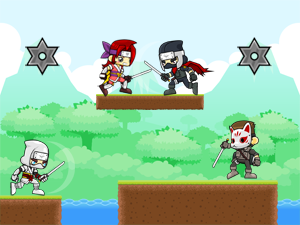
In this typing practice game, the Ninja Cat fights on behalf of you. When you keep typing correctly, your Ninja Cat will keep attacking the other Ninja man. The man will eventually die. What if you make a mistake? The enemy will immediately attack you and you must take damage in such a case.
Keep typing properly until the result statistics are shown.
Play this fast typing game now
3. Keyboard Games: TypeRacer / Type Racer
TypeRacer is also very popular among free typing games. It is not as popular as the Nitro Type Race game but it is also a very popular typing car race game.
Are you looking for typing test paragraphs? In this game, you will get an opportunity to type paragraphs. There are several cars in this game. You own one of the cars. You will see a random paragraph. Your job is to type each word without making any mistakes. Besides being accurate, you must type fast. Slow typing and mistakes will contribute to losing the game.
You will notice that both accuracy and speed are important in most typing practice games.
Play this fast typing game now
4. Keyboard Games: ZType
Few free typing games could reach and hold the popularity of ZType. As far as we have seen, this game has been popular for 10+ years.
This is a space shooter game. Your task is to shoot down the enemy fighter jets. Each enemy fighter jet has a word around it. You finish typing this word and the enemy fighter jet gets destroyed. Then you target another fighter jet and type its word and then it gets destroyed too. This goes on until the game ends.
Although you are allowed to make mistakes in this game, every mistake will cost your typing words per minute score.
Play this fast typing game now
5. Keyboard Games: Zombie Typing Game Typocalypse
In the list of free typing games, the Zombie typing game was very popular once upon a time. You can see other zombie typing games in other websites too because it was very popular once upon a time. It is still somewhat popular nowadays.
The typing game online idea is pretty simple. Zombies will be approaching you. As soon as they are very near to you, they will immediately kill you. Do you want to kill or get killed? Every zombie brings a word with it. You shoot down the zombie by typing the word. Your job is to keep shooting the approaching zombies.
Other similar typing test games work in a very similar way.
Play this fast typing game now
6. Keyboard Games: Dance Mat Typing
It is also one of the most popular free typing games. It was originally developed by BBC and then others made their own versions of this game because of its high popularity.
Our fast typing game here does not totally match with that of the BBC game. In our version, you will find that a child will be dancing. You keep typing correctly, the child will keep dancing and balloons will fly one after another. You start typing incorrectly, the child stops dancing. So, you see this typing game online has a pretty simple idea.
Please note that this game has a long list of exercises. These exercises cover pretty much everything you need for your typing practice.
Play this fast typing game now
7. Keyboard Games: Keyboard Climber 2
10 (ten) years ago, there were many free typing games and Keyboard Climber 2 was a popular choice. Nowadays this game is not as popular as before.
In this typing game online, you have your player jump above and climb all the top levels. In each level, there is an enemy waiting for you. You type some random letters and you kill the enemy when you finish typing the random letters attached to the enemy. You do not need to take any action to jump upward. As soon as you kill an enemy by typing correctly, your player automatically jumps upward to fight with another enemy.
The only purpose of this game is to help the beginners learn alphabet typing.
Play this fast typing game now
8. Keyboard Games: Just Type This
This game does not take place in free typing games. It is an ordinary typing game.
It is a Mario typing game. It is also a platformer game where Mario keeps running and jumping and thus tries to avoid obstacles. There are many moving obstacles in this typing game online. If Mario hits a moving object, it will die immediately. Although Mario will probably get another life, you should be careful so that you do not make any typing mistake. Even if you make a mistake, keep your mistakes to the minimum number.
This game is basically for beginners who need to practice alphabet typing.
Play this fast typing game now
9. Keyboard Games: Flying Race
This typing game also does not expect any place in popularity in free typing games.
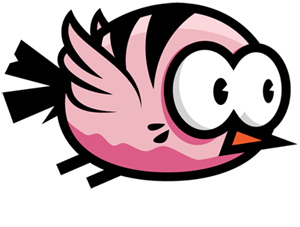
There are several birds in this game. You help one bird to fly fast and win this flying race. When you type fast and correctly, the speed of your bird increases. The speed increases so much that your bird flies past other birds to take the first position. What if you type slowly? What if you type incorrectly? In both these cases, the speed of your bird slows down and it keeps lagging behind. If your typing speed and accuracy does not improve immediately, the chance of your win quickly goes down.
To win in this fast typing game every single time, keep typing fast without making any mistakes.
Play this fast typing game now
10. Keyboard Games: Save The Child
Among all our free typing games, this game is the simplest.
A monster is chasing a child. A child is running for its life. You can help the child to save its life.
At the bottom of the game canvas, you will see a letter from the English alphabet. As soon as you type it, the game begins. Both the child and monster start running. As soon as you type the letters correctly, the child survives. If you keep making typing mistakes, the monster will approach the child fast and kill the child. Your typing speed and accuracy can cost the child's life.
The primary purpose of this typing game online is to help you master typing all letter fast from the English alphabet.
Play this fast typing game now
Bookmark This Page (Ctrl + D)


Typing Test — Top 10 (ten) World Ranking
Get an online typing test certificate now
Please note: We may delete certificates older than 6 (six) months.
Best Score | World Ranking | Countrywise Ranking
Get a Certificate | Register | Log In
WPM = Words per minute
| Sl. | Name | Level | Net WPM | Accuracy | Country |
|---|---|---|---|---|---|
| 1. | Broderick Bagert | Professional | 111 | 99.10% | United States |
| 2. | Farhan | Professional | 93 | 93.96% | Indonesia |
| 3. | Teoh You Le | Professional | 83 | 95.41% | Malaysia |
| 4. | Fluffy Toucan | Fast | 73 | 88.01% | Albania |
| 5. | Fluffy Toucan | Fast | 71 | 92.25% | Albania |
| 6. | Laura Elizabeth Ewing | Fast | 67 | 94.38% | United States |
| 7. | Laura Elizabeth Ewing | Fluent | 60 | 93.79% | United States |
| 8. | abdullah mashia | Fluent | 59 | 98.34% | Puerto Rico |
| 9. | Laura Elizabeth Ewing | Fluent | 59 | 90.77% | United States |
| 10. | Damyan Todorov | Fluent | 57 | 93.49% | Bulgaria |
How we grade your typing speed:
| Level | Net WPM |
|---|---|
| Slow | 0 - 25 |
| Average | 26 - 45 |
| Fluent | 46 - 60 |
| Fast | 61 - 80 |
| Professional | 80+ |
Performance Graph — Based on top 10 (ten) world ranking
Typing Test — Last 25 Practice Results
Get an online typing test certificate now
Please note: We may delete certificates older than 6 (six) months.
Best Score | World Ranking | Countrywise Ranking
Get a Certificate | Register | Log In
The following list shows how some users of this website have performed within last 24 hours.
WPM = Words per minute
How we grade your typing speed:
| Level | Net WPM |
|---|---|
| Slow | 0 - 25 |
| Average | 26 - 45 |
| Fluent | 46 - 60 |
| Fast | 61 - 80 |
| Professional | 80+ |
Performance Graph — Based on last 25 results
Fast Finger Typing Game for Beginners
Your fingers can feel slow today and still become quick tomorrow.
That sounds a little magical, right? You sit in front of your keyboard. You want to type a simple sentence. But your fingers freeze like they are waiting for permission from your brain. You look down. You search for the next key. You press the wrong letter. Then you hit backspace. Again. And again. Suddenly, typing feels less like a skill and more like a tiny keyboard battle.
If that sounds familiar, you are not behind. You are just at the beginning.
Now imagine a different scene. You open a fast finger typing game. Words appear on the screen. Your hands rest on the keyboard. You start slowly. Then something interesting happens. Your fingers begin to move with less fear. You stop looking down so much. Your speed grows. Your mistakes drop. And one day, you notice that typing feels smooth, natural, and even fun.
But here is the big question.
How can a simple fast finger typing game help a beginner type faster, make fewer mistakes, and feel more confident at the keyboard?
The answer is not just “practice more.” That is too simple. The real answer is practice the right way. Because if you practice with bad habits, you can repeat those bad habits for months. But if you use a fast finger typing game with the right steps, your fingers can learn smarter. Your brain can build stronger typing patterns. And your confidence can grow faster than you think.
In this guide, you will learn how a fast finger typing game works, why it helps beginners, how to use it step by step, and how to avoid the mistakes that slow many learners down. You will also learn the one habit that quietly separates slow typists from fast typists. We will get to that soon, so keep reading.
What A Fast Finger Typing Game Really Is
A fast finger typing game is more than a fun online activity.
It is a typing training tool that feels like a game. Instead of reading a boring lesson and forcing yourself to practice, you type words, letters, sentences, or paragraphs while trying to improve your score. The game may show your speed, accuracy, mistakes, time, and progress. This makes typing practice feel more active and less boring.
A good fast finger typing game helps you train three things at the same time.
It trains your eyes to read quickly.
It trains your brain to recognize letters and words faster.
It trains your fingers to press the right keys without delay.
That last part is very important. When your fingers start moving without too much thinking, typing becomes easier. This is called muscle memory. Muscle memory means your body remembers a movement after repeating it many times.
Think about riding a bike. At first, you think about balance, pedals, brakes, and steering. Later, you just ride. Your body knows what to do.
Typing works the same way. At first, you think about every letter. Later, your fingers know where to go. A fast finger typing game helps build that automatic skill through repeated practice.
Why Beginners Often Feel Slow At Typing
Most beginners think they are slow because they are not talented. That is usually not true.
Beginners are slow because their fingers have not learned the keyboard yet. Their brain still needs time to find each key. Their eyes move from the screen to the keyboard and back again. Their hands move too much. Their rhythm breaks. Then mistakes happen.
This is normal.
Imagine walking into a dark room and trying to find a light switch. You move slowly because you do not know where things are. But after you enter that room many times, your hand goes to the switch automatically. The keyboard is the same kind of room. At first, it feels confusing. With practice, it becomes familiar.
A fast finger typing game helps beginners because it turns that confusing keyboard into a place your hands understand. It gives you repeat practice, instant feedback, and small goals. These small goals matter because beginners need encouragement. When you see your score improve from 12 WPM to 15 WPM, it feels good. When your accuracy rises from 82 percent to 90 percent, you feel proud. That feeling helps you keep going.
And that is how real progress starts.
The Main Problem A Fast Finger Typing Game Solves
The biggest typing problem for beginners is not speed.
It is hesitation.
Hesitation is when your finger stops before pressing a key. You think, “Where is R?” or “Which finger should press P?” That tiny pause may feel small, but it happens again and again. Those little pauses slow down your typing.
A fast finger typing game reduces hesitation by giving your fingers repeated movement patterns. When you type common words again and again, your fingers learn the path. Words like “the,” “and,” “you,” “time,” “work,” and “school” become easier. You stop spelling each word one letter at a time. Your fingers begin to move in groups.
That is when typing starts to feel faster.
For example, a beginner may type the word “water” by thinking about each letter.
W. A. T. E. R.
A stronger typist sees “water” and types the whole word in one smooth motion. The difference is not magic. It is practice. A fast finger typing game gives you that practice in a simple and enjoyable way.
Why A Game Works Better Than Boring Practice
Let’s be honest.
Most beginners do not quit typing practice because it is too hard. They quit because it feels boring.
Typing the same letters again and again can feel like watching paint dry, except the paint also judges your mistakes. That is not fun.
A fast finger typing game changes the feeling of practice. It adds a challenge. It gives you a score. It lets you try again. It gives you a reason to focus for one more round.
This matters because the brain loves feedback. When you do something and see the result right away, your brain pays attention. That is why games can be powerful learning tools. You type. You see your speed. You notice your accuracy. You try again. Each round gives you a tiny lesson.
A fast finger typing game also makes practice feel shorter. Ten minutes of boring typing may feel long. Ten minutes of game-style typing can pass quickly. That makes it easier to build a daily habit.
And daily habit is where the real improvement lives.
Setting Up Before You Start Playing
Before you play a fast finger typing game, take a minute to set up correctly. This may sound simple, but it can save you from pain, poor habits, and slow progress.
First, sit comfortably. Keep your back straight but not stiff. Your shoulders should feel relaxed. Do not hunch over the keyboard like you are guarding a secret treasure map.
Second, place your keyboard at a comfortable height. Your elbows should be bent naturally. Your wrists should not be pressed hard against the desk. Keep your hands light.
Third, place your fingers on the home row. Your left fingers should rest on A, S, D, and F. Your right fingers should rest on J, K, L, and the semicolon key. Your thumbs should rest near the space bar.
This home row position is the starting point for touch typing. It helps every finger know its job. Many keyboards have small bumps on F and J. These bumps help you find the home row without looking down.
Fourth, keep your eyes on the screen. This is the hard part for beginners. You will want to look down. Your brain will say, “Just one quick look.” But each quick look slows your learning. Try to trust your fingers. Even if you make mistakes, keep going.
A fast finger typing game works best when you use it to train your fingers, not your eyes.
How To Use The Home Row In A Fast Finger Typing Game
The home row is like the home base in typing.
Every finger starts there. Every finger moves from there. Every finger returns there.
When you use a fast finger typing game, try to keep your hands close to the home row. Do not let your hands float all over the keyboard. Large hand movements slow you down. Small finger movements help you type faster.
Here is a simple way to understand it.
Your left pinky handles A and nearby keys.
Your left ring finger handles S and nearby keys.
Your left middle finger handles D and nearby keys.
Your left index finger handles F, G, and nearby keys.
Your right index finger handles J, H, and nearby keys.
Your right middle finger handles K and nearby keys.
Your right ring finger handles L and nearby keys.
Your right pinky handles the semicolon area and other right-side keys.
At first, this may feel strange. That is okay. You are training new habits. If you have been typing with two fingers, using all fingers will feel slower for a short time. But later, it will help you type much faster.
A fast finger typing game gives you a safe place to practice this. You can make mistakes. You can restart. You can improve one round at a time.
Speed Comes After Accuracy
Many beginners make the same mistake.
They try to type fast before they can type correctly.
That is like trying to run before you can walk without falling. It may look exciting for two seconds, but then things go wrong.
Accuracy must come first. When you type with high accuracy, your speed can grow naturally. When you type with low accuracy, you spend too much time fixing mistakes. Backspace becomes your most-used key. That slows everything down.
A fast finger typing game usually shows your accuracy percentage. Pay close attention to that number. If your speed is 35 WPM but your accuracy is 75 percent, you are rushing. Slow down. Try to reach 90 percent accuracy or higher before pushing speed.
Here is a good beginner goal.
First, aim for clean typing.
Then, aim for smooth typing.
Then, aim for faster typing.
This order works because your fingers need correct patterns. If you practice mistakes, your fingers learn mistakes. If you practice clean movement, your fingers learn clean movement.
That is why the best fast finger typing game practice is not wild speed. It is controlled speed.
A Simple Beginner Practice Plan
You do not need to practice for hours every day.
In fact, long practice can make beginners tired and frustrated. Short practice often works better. Your brain learns well through repeated sessions. A little every day beats a lot once a week.
Here is a simple plan you can follow.
For days 1 to 3, play a fast finger typing game for 5 minutes each day. Do not care about speed. Focus only on accuracy and finger placement. Keep your eyes on the screen as much as possible.
For days 4 to 7, practice for 10 minutes each day. Start noticing your WPM, but do not chase it too hard. Try to make fewer mistakes than the day before.
In week 2, practice 10 to 15 minutes each day. Try short rounds. For example, play one 1-minute round, rest, then play another. Short rounds help you stay focused.
In week 3, begin challenging yourself. Try to beat your old score, but only if your accuracy stays strong. If your accuracy drops too much, slow down again.
After one month, you should notice better control. Your fingers may feel more confident. You may look at the keyboard less. Your words may flow more smoothly.
That is progress.
Remember, the fast finger typing game is not about becoming perfect in one day. It is about becoming a little better each day.
Understanding WPM In A Fast Finger Typing Game
Most typing games measure speed in WPM.
WPM means words per minute. If you type 30 WPM, you can type about 30 words in one minute. Many everyday computer users type somewhere around 40 WPM. Some trained typists type 70 WPM, 90 WPM, or even higher.
But beginners should not worry about huge numbers right away.
If you type 10 WPM today and 14 WPM next week, that is a win. If you type 20 WPM now and 25 WPM later, that is a win too. The goal is progress, not perfection.
A fast finger typing game makes WPM easy to track. But WPM is only one part of the story. Accuracy matters too. A person who types 45 WPM with many errors may not be more useful than someone who types 35 WPM with clean accuracy.
Think of WPM like speed in a car. Speed is good, but control matters. You do not want to drive fast into a mailbox. The keyboard version of that mailbox is a sentence full of typos.
So when you play a fast finger typing game, look at both speed and accuracy. They work together.
How Accuracy Improves Through Game Practice
A fast finger typing game helps accuracy because it shows your mistakes quickly.
This is important. Beginners often do not know what they are doing wrong. They just feel slow. But when the game shows errors, you can find patterns.
Maybe you often confuse I and O.
Maybe your left pinky struggles with A.
Maybe you press space too early.
Maybe you miss capital letters.
Maybe you type “teh” instead of “the.”
These mistakes are not random. They are clues.
Once you know your common mistakes, you can fix them. For example, if you often miss the letter P, slow down when words include P. If you often miss the letter B, practice words like “baby,” “bring,” “better,” and “brown.” If your space bar timing is weak, practice short phrases and focus on clean spacing.
A fast finger typing game gives you many chances to notice and correct these patterns. That is how accuracy grows.
The Secret Power Of Muscle Memory
Muscle memory is one of the biggest reasons a fast finger typing game works.
In the beginning, typing is mental work. You think about letters. You think about keys. You think about finger placement. It feels slow because your brain is doing too much.
With repeated practice, your fingers start handling the movements. Your brain does not need to guide every key. This makes typing feel smoother and faster.
Here is a simple example.
The first time you type the word “because,” you may search for each letter. After typing it many times, your fingers learn the pattern. B-E-C-A-U-S-E becomes one familiar movement. You no longer think about every key.
That is muscle memory.
A fast finger typing game builds muscle memory by giving you repeated typing practice in a focused way. You see words. You type them. You repeat. Your fingers learn. Your brain relaxes. Your speed improves.
But there is one rule.
Muscle memory learns what you repeat. If you repeat bad habits, they become automatic too. So practice slowly and correctly at first. Clean practice creates clean muscle memory.
Why Typing Rhythm Matters
Typing has rhythm.
You may not think of typing as music, but your fingers move in beats. When the rhythm is smooth, typing feels easy. When the rhythm breaks, mistakes happen.
A fast finger typing game can help you find this rhythm. Words appear. You type. You move to the next word. You keep going. Over time, your fingers begin to flow.
One beginner mistake is panic typing. This happens when you see the timer and rush. Your fingers move too fast. Your brain gets tense. Mistakes pile up. Then your score drops.
Instead, try steady typing.
Do not smash the keys. Do not hurry each word. Type at a pace you can control. Once that pace feels easy, increase it slowly.
Try this exercise during your fast finger typing game practice.
For one round, type like you are walking calmly.
For the next round, type slightly faster.
For the third round, focus on smooth movement, not speed.
This teaches your brain that speed should feel controlled, not wild.
The Best Way To Warm Up Your Fingers
You would not sprint without warming up. Your fingers are the same.
Before playing a fast finger typing game seriously, spend one or two minutes warming up. This helps your hands relax and your brain focus.
Start with home row letters.
Type simple patterns like:
Then type easy words like:
Then move to common words like:
After this short warm-up, start your fast finger typing game round. You may notice that your fingers feel more ready.
A warm-up also helps reduce tension. Tense fingers are slow fingers. Relaxed fingers move better.
How Long Should Beginners Practice Each Day?
For most beginners, 10 to 15 minutes a day is enough to start.
That may sound too small, but it works because typing is a skill built through repetition. Your brain needs time to absorb the practice. If you practice for two hours once and then stop for a week, your progress may fade. If you practice 10 minutes daily, your fingers get regular training.
A good daily routine could look like this.
Warm up for 2 minutes.
Play a fast finger typing game for 5 minutes.
Rest for 1 minute.
Play another round for 5 minutes.
Review your score and mistakes.
That is simple. That is realistic. And that is much easier to keep doing.
The key is not to destroy your hands with long practice. The key is to return tomorrow.
A fast finger typing game becomes powerful when it becomes part of your daily routine.
How To Track Your Progress Without Getting Discouraged
Tracking your progress is helpful, but only if you do it the right way.
Do not judge your skill by one bad round. Everyone has bad rounds. Maybe you were tired. Maybe the words were harder. Maybe your hands were cold. Maybe your cat walked across the keyboard like a tiny furry editor.
Instead, look at your average progress over time.
Write down three things after practice.
Your accuracy.
Your common mistake.
For example:
Monday: 18 WPM, 88 percent accuracy, missed R often.
Tuesday: 19 WPM, 90 percent accuracy, better with R.
Wednesday: 21 WPM, 89 percent accuracy, rushed too much.
This simple tracking helps you see patterns. A fast finger typing game gives you the numbers, but your notes help you understand them.
Progress is not always a straight line. Some days your score will drop. That does not mean you failed. It means your brain is still learning.
What To Do When Your Typing Speed Stops Improving
At some point, your speed may stop improving for a while.
This is called a plateau. It happens in many skills. It does not mean you reached your limit. It means your brain needs a new challenge.
When this happens, do not quit. Change your practice.
If you always play the same fast finger typing game mode, try a different mode. If you always practice easy words, try longer sentences. If you always focus on speed, spend a few days focusing only on accuracy. If you always practice for one minute, try three-minute rounds to build endurance.
You can also target weak keys.
For example, if you struggle with Q, Z, X, or P, create short practice sessions around those letters. Type words like:
Then return to your fast finger typing game and see if those keys feel easier.
Plateaus are not stop signs. They are signs that your next improvement needs smarter practice.
Common Mistakes Beginners Should Avoid
A fast finger typing game can help you improve, but only if you avoid some common mistakes.
The first mistake is looking at the keyboard too much. This slows down muscle memory. Try to keep your eyes on the screen.
The second mistake is typing too fast too early. Speed feels exciting, but accuracy builds the foundation.
The third mistake is using only two fingers. Two-finger typing can work for basic typing, but it limits speed. Use all fingers if possible.
The fourth mistake is practicing once and expecting huge results. Typing needs repetition. Short daily practice works better.
The fifth mistake is ignoring posture. If your shoulders are tight, your wrists hurt, or your hands feel stiff, your typing will suffer.
The sixth mistake is quitting after a bad score. A bad score is not a final grade. It is just feedback.
When you play a fast finger typing game, treat each round as practice, not a test of your worth. You are learning. Mistakes are part of the process.
How To Make Typing Practice More Fun
Fun matters.
If practice feels boring, you will avoid it. If it feels fun, you will return. A fast finger typing game already adds fun, but you can make it even better.
Try setting small challenges.
Can you beat yesterday’s score by 2 WPM?
Can you finish one round with 95 percent accuracy?
Can you type for one minute without looking down?
Can you make fewer than five mistakes?
Can you practice every day for one week?
These small challenges keep your brain engaged. You can also compete with a friend or family member. Just keep it friendly. The goal is progress, not keyboard drama at the dinner table.
Another fun idea is to create reward milestones. After seven days of practice, reward yourself with something simple. After reaching 30 WPM, celebrate. After reaching 95 percent accuracy, take a proud little victory moment.
Typing is a real skill. Your progress deserves recognition.
Why Fast Fingers Need Calm Hands
This may sound strange, but fast typing does not come from tense hands.
It comes from relaxed hands.
Beginners often press keys too hard. They squeeze their fingers. They lift their hands too high. They hold tension in their shoulders. This makes typing slower and more tiring.
When you play a fast finger typing game, notice your body. Are your shoulders raised? Are your fingers stiff? Are you holding your breath? Relax.
Use light taps. Keep your fingers close to the keys. Let your hands move naturally.
Fast fingers are not angry fingers. Fast fingers are calm, trained fingers.
Think of a piano player. Good piano players do not attack every key with panic. Their fingers move with control. Typing is similar. Smooth movement beats hard movement.
A Fast Finger Typing Game For School Practice
Students can benefit a lot from a fast finger typing game.
Many school tasks now involve typing. Students type essays, answers, reports, notes, emails, and online assignments. Slow typing can make these tasks feel harder than they really are.
For example, imagine a student who has great ideas but types very slowly. Writing a paragraph takes too long. The student may forget ideas before typing them. That can feel frustrating.
Now imagine the same student after a few weeks of fast finger typing game practice. The fingers move faster. The student can focus more on ideas and less on keys. Writing becomes easier.
This is why typing practice is not just about speed. It helps thinking. When typing becomes easier, your brain has more space for planning, writing, and learning.
A Fast Finger Typing Game For Work And Jobs
Typing is useful in many jobs.
Office workers type emails. Customer service workers type messages. Data entry workers type information. Freelancers type proposals. Students applying for jobs fill out forms. Even small business owners type invoices, posts, replies, and notes.
A fast finger typing game can help adults build confidence for these tasks. You do not need to become the fastest typist in the world. You just need enough speed and accuracy to work comfortably.
Typing faster can save time every day. Even saving 10 minutes a day adds up. Over a month, that can become hours. Over a year, it can become days of saved time.
That is why typing is a practical life skill. It is not just a computer class activity. It is a skill that helps with school, work, communication, and daily tasks.
How Parents Can Help Kids Practice
Parents can help kids use a fast finger typing game in a positive way.
The key is to keep practice light and encouraging. Do not turn every round into pressure. Kids learn better when they feel safe to make mistakes.
Start with short sessions. Five minutes is enough for many young beginners. Praise effort, not just score. Say things like:
“You kept your eyes on the screen. Nice job.”
“You made fewer mistakes today.”
“Your fingers are learning.”
“Let’s try one more fun round.”
Avoid saying things like:
“Why are you still so slow?”
“That score is bad.”
“You should be faster by now.”
Pressure can make typing stressful. Encouragement makes typing easier to repeat.
A fast finger typing game can become a fun family challenge. Parents can play too. Kids often enjoy seeing adults make mistakes. It reminds them that learning is normal for everyone.
How To Practice Without Looking At The Keyboard
Not looking at the keyboard is one of the hardest beginner habits to build.
But it is also one of the most important.
If you keep looking down, your fingers do not fully learn. Your eyes do the work instead. A fast finger typing game is best when your eyes stay on the screen.
Here is a simple method.
Start with very easy words.
Keep your fingers on the home row.
Look only at the screen.
If you make a mistake, do not panic.
You can also cover your hands with a light cloth or use a keyboard cover if needed. But do not make it uncomfortable. The goal is gentle training.
At first, your speed may drop. That is normal. You are switching from eye-based typing to finger-based typing. After enough practice, your speed can rise again.
This is one of those moments where you must trust the process. Slow today can create fast tomorrow.
The Best Beginner Goals For A Fast Finger Typing Game
Beginners need clear goals.
Without goals, practice feels random. With goals, practice feels meaningful.
Here are good beginner goals.
Reach 90 percent accuracy.
Use all fingers.
Keep eyes on the screen.
Practice 10 minutes daily.
Improve WPM slowly.
Reduce backspace use.
Learn common word patterns.
Stay relaxed while typing.
These goals are better than just saying, “I want to type fast.” That is too vague. A fast finger typing game gives you numbers, but your goals give you direction.
Start small. If you type 15 WPM, aim for 18 WPM. Then 20 WPM. Then 25 WPM. Do not compare yourself to advanced typists. Compare yourself to your old self.
That is the fairest and most useful comparison.
How To Build A Seven-Day Typing Challenge
A seven-day challenge can make a fast finger typing game more exciting.
Here is a simple beginner challenge.
Day 1: Find your starting WPM and accuracy. Do not judge it. Just record it.
Day 2: Practice home row control. Focus on clean finger placement.
Day 3: Try to improve accuracy by 2 percent.
Day 4: Try a longer round. Build focus and rhythm.
Day 5: Practice your weakest keys for five minutes.
Day 6: Try to beat your best WPM while staying accurate.
Day 7: Compare your new score with day 1.
This challenge is short enough to finish and long enough to show progress. You can repeat it every week. Each time, you may notice small improvements.
A fast finger typing game becomes more powerful when you use it with a plan like this.
How To Fix Common Weak Keys
Every beginner has weak keys.
Some people struggle with Q. Some struggle with P. Some miss B because it sits in an awkward spot. Some confuse C and V. Some hit the wrong number key.
Do not feel bad about weak keys. They are normal.
The smart move is to practice them directly.
If P is weak, type words like:
If B is weak, type words like:
If Q is weak, type words like:
After practicing weak-key words, play a fast finger typing game again. Notice whether those letters feel less scary.
The goal is not to avoid hard keys. The goal is to make hard keys familiar.
How Fast Finger Typing Helps Your Brain
Typing practice is not only finger exercise. It is brain training too.
When you play a fast finger typing game, your brain must read, process, and respond quickly. It connects letters, sounds, words, and finger movements. Over time, this connection becomes faster.
This is why repeated practice matters. Each round strengthens the connection between your eyes, brain, and fingers.
Research on skill learning often shows that short repeated practice helps people build automatic skills. Typing fits this pattern. You repeat the movement. Your brain gets better at predicting the next action. Your fingers respond faster.
That is why 10 minutes a day can be so useful. You are not just typing. You are training your brain to make typing automatic.
Why You Should Not Fear Mistakes
Mistakes are not enemies.
Mistakes are information.
When you make a mistake in a fast finger typing game, the game is showing you something useful. Maybe you rushed. Maybe your finger reached too far. Maybe you looked down and lost your place. Maybe you need more practice with a certain letter.
Instead of feeling embarrassed, ask a simple question.
What is this mistake teaching me?
If you think this way, mistakes become helpful. They guide your practice. They show where improvement is needed.
The only bad mistake is the one you ignore again and again.
So when you play a fast finger typing game, do not chase a perfect score every time. Chase better awareness. That awareness will improve your score later.
How To Use Short Rounds And Long Rounds
Both short and long rounds are useful.
Short rounds help speed and focus. A 1-minute fast finger typing game round is great for quick practice. It helps you test your current speed and stay alert.
Longer rounds help endurance. A 3-minute or 5-minute round teaches you to keep your rhythm. This is useful for real-life typing, like writing essays or emails.
Beginners should start with short rounds. They are less tiring and easier to repeat. After you feel comfortable, add longer rounds.
A good mix could be:
Two 1-minute rounds for speed.
One 3-minute round for control.
One accuracy round with slow typing.
This gives your fingers different types of practice. Speed, control, and accuracy all matter.
The Role Of Focus In Typing Speed
Your typing speed can change based on your focus.
If your mind is distracted, your fingers make more mistakes. If you are tired, your rhythm breaks. If you are stressed, your hands tense up.
Before starting a fast finger typing game, take a breath. Sit still for a moment. Relax your shoulders. Put your fingers on the home row. Then begin.
This tiny pause can improve your practice.
Typing is not only about finger movement. It is also about attention. A focused beginner can improve faster than a distracted beginner who practices longer.
Quality matters more than time.
Five focused minutes can be better than twenty careless minutes.
How To Make Your Practice Feel Like A Game
A fast finger typing game is already a game, but you can add your own game rules.
Try “no keyboard peek” mode. Your only goal is to avoid looking down.
Try “accuracy champion” mode. Your goal is 95 percent accuracy, even if speed is low.
Try “beat one number” mode. Your goal is to improve by just 1 WPM.
Try “clean finish” mode. Your goal is to finish the round calmly without panic.
Try “weak key hunt” mode. Your goal is to notice which keys cause mistakes.
These little game modes keep practice fresh. They also train different skills. One day you train speed. Another day you train accuracy. Another day you train confidence.
This keeps the fast finger typing game from feeling repetitive.
What A Good Typing Practice Session Looks Like
A strong practice session does not need to be complicated.
Here is an example.
You sit comfortably.
You place your fingers on the home row.
You warm up for two minutes.
You play one slow accuracy round.
You play one normal fast finger typing game round.
You check your WPM and accuracy.
You notice one mistake pattern.
You practice that weak area.
You finish with one final round.
That is a complete session. It may take only 10 to 15 minutes.
The best part is that this practice has purpose. You are not just typing randomly. You are improving with a plan.
Why Daily Practice Beats Weekend Practice
Some beginners practice for one hour on Saturday and then do nothing all week.
That is not the best method.
Typing improves faster when your brain gets regular reminders. Daily practice helps your fingers remember. It keeps the keyboard familiar. It makes typing feel normal.
Think of brushing your teeth. You do not brush for one hour on Sunday and skip the rest of the week. Small daily action works better.
A fast finger typing game is perfect for daily practice because it is quick. You can play a short round before school, after homework, during a work break, or before writing an email.
The easier the habit is, the more likely you are to keep it.
How To Stay Motivated When Progress Feels Slow
Some days you will feel like you are not improving.
That is normal.
Typing progress can feel invisible at first. Your brain is building patterns quietly. Your fingers are learning small movements. Then one day, you suddenly notice typing feels easier.
To stay motivated, keep a simple progress record. Look back after one week. You may see that your accuracy improved. Or your WPM increased. Or you made fewer mistakes.
Also, remember your reason.
Maybe you want to finish homework faster.
Maybe you want to write emails with confidence.
Maybe you want to improve job skills.
Maybe you want to stop feeling nervous at the keyboard.
Your reason matters. A fast finger typing game is the tool, but your reason is the fuel.
Real-Life Example: From Slow To Smooth
Imagine a beginner named Jake.
Jake types with two fingers. He looks at the keyboard after every few letters. Writing one email feels like a long chore. He starts using a fast finger typing game for 10 minutes a day.
At first, his score is 14 WPM with many mistakes. He feels slow. But he keeps practicing.
In week 1, he focuses on home row.
In week 2, he stops looking down as much.
In week 3, he improves his accuracy.
In week 4, he reaches 26 WPM.
Is he a world champion typist? No.
But he is much better than before. More importantly, he feels confident. That confidence changes how he uses the computer. Emails feel easier. School work feels less stressful. Online forms feel faster.
That is the real power of a fast finger typing game. It does not just improve a score. It improves comfort.
Real-Life Example: Accuracy First Wins
Now imagine another beginner named Mia.
Mia wants to type fast right away. She plays a fast finger typing game and pushes hard. Her WPM goes up, but her accuracy drops. She keeps making mistakes. Her hands feel tense. She gets frustrated.
Then she changes her plan.
For one week, she focuses only on accuracy. She slows down. She uses the correct fingers. She keeps her eyes on the screen. Her WPM drops at first, but her accuracy rises.
After that, her speed starts growing again. This time, it feels smoother.
Mia learns an important lesson.
Typing fast with mistakes is not real speed. Clean typing becomes fast typing.
How A Fast Finger Typing Game Builds Confidence
Confidence grows when you see progress.
A fast finger typing game gives you visible progress. You can see your WPM. You can see your accuracy. You can see fewer errors. These numbers show that your practice is working.
This matters because beginners often feel unsure. They wonder, “Am I getting better?” The game answers that question.
Even small progress can build confidence.
One fewer mistake is progress.
One higher WPM is progress.
One round without looking down is progress.
One smoother sentence is progress.
Confidence does not come from being perfect. It comes from proving to yourself that you can improve.
That is why a fast finger typing game can be so helpful for beginners. It makes improvement visible.
What To Do Before A Typing Test
A fast finger typing game can also help you prepare for a typing test.
Before taking a test, do not practice too hard. You do not want tired fingers. Instead, warm up gently.
Do one short accuracy round.
Take a breath.
Relax your hands.
Check your posture.
Start the test calmly.
Many people perform worse when they panic. A typing test is easier when your hands feel relaxed and your mind stays steady.
If you use a fast finger typing game regularly, typing tests become less scary. You already know how timed typing feels. You already know how to handle mistakes. You already know how to keep going.
Practice makes the test feel familiar.
How To Choose A Good Fast Finger Typing Game
A good fast finger typing game should be simple, clear, and beginner friendly.
It should show your WPM.
It should show your accuracy.
It should give instant feedback.
It should be easy to start.
It should not feel confusing.
It should help you practice real words and useful patterns.
Beginners do not need a game with too many complicated features. Simple is better. You want to spend your time typing, not trying to understand buttons and menus.
The best fast finger typing game is one you actually enjoy using. If you enjoy it, you will return. If you return, you will improve.
How To Use Typing Games Without Building Bad Habits
Typing games are helpful, but you still need to practice carefully.
Do not slap keys randomly just to finish faster.
Do not ignore finger placement.
Do not let your hands drift far from the home row.
Do not keep repeating the same mistake without fixing it.
Do not focus only on score.
A fast finger typing game should train skill, not just speed. Your goal is not only to win the game. Your goal is to become a better typist.
Play with purpose. Notice your mistakes. Slow down when needed. Use all fingers. Keep your eyes on the screen.
That is how game practice becomes real skill.
The One Habit That Makes The Biggest Difference
Earlier, I mentioned one habit that separates slow typists from fast typists.
Here it is.
Fast typists trust their fingers.
Slow typists keep checking the keyboard.
That is the big difference.
When you trust your fingers, your eyes stay on the screen. Your brain reads ahead. Your hands keep moving. Your rhythm stays smooth.
When you keep checking the keyboard, your rhythm breaks. Your eyes jump around. Your brain loses the sentence. Your typing slows down.
A fast finger typing game helps you build trust. At first, it feels scary. You may make mistakes. But after repeated practice, your fingers learn. Then you stop needing to look down so much.
Trust does not happen in one day. It grows through practice.
Every time you play a fast finger typing game without looking down, you build that trust.
A Simple 30-Day Fast Finger Typing Game Plan
If you want a longer plan, try this 30-day beginner routine.
Days 1 to 5: Learn home row and focus on accuracy.
Days 6 to 10: Practice common words and avoid looking down.
Days 11 to 15: Track WPM and accuracy daily.
Days 16 to 20: Practice weak keys and common mistakes.
Days 21 to 25: Add longer rounds for endurance.
Days 26 to 30: Challenge your best score while keeping accuracy high.
This plan is simple, but it works because it builds skill in layers.
First, you build control.
Then, you build confidence.
Then, you build speed.
A fast finger typing game fits perfectly into this plan because it gives quick practice and clear feedback every day.
How Typing Faster Saves Time
Typing faster saves more time than beginners realize.
Imagine you type 20 WPM and need to write 600 words. That may take about 30 minutes of typing time, not counting thinking and editing.
If you improve to 40 WPM, the same amount of typing may take about 15 minutes.
That is a big difference.
Now think about emails, homework, notes, forms, messages, and work tasks. Faster typing can save time again and again.
A fast finger typing game helps you build this useful skill in a fun way. You are not just playing. You are investing in future time.
And who does not want more time? More time means less stress. More time means more freedom. More time means maybe even a snack break. Snacks are important. Very scientific.
Why Typing Accuracy Reduces Stress
Slow typing is stressful, but messy typing can be even more stressful.
When you make many mistakes, you have to stop and fix them. This breaks your thoughts. It makes writing feel harder. You may forget what you wanted to say.
Accuracy helps you stay in flow.
When your typing is clean, your ideas move from your mind to the screen with less friction. You feel calmer. You finish faster. You trust yourself more.
A fast finger typing game trains this by making errors visible. It encourages you to type cleaner. Over time, clean typing becomes natural.
This is useful for writing emails, school essays, job forms, reports, and even friendly messages.
The less you fight the keyboard, the more you can focus on your message.
How To Keep Your Hands Comfortable
Comfort matters in typing practice.
If your hands hurt, stop and rest. Typing should not cause pain. Beginners sometimes press too hard or practice too long. This can make fingers, wrists, or shoulders feel tired.
Use light pressure.
Keep wrists relaxed.
Take short breaks.
Stretch your fingers gently.
Do not practice through pain.
A fast finger typing game can be exciting, especially when you want to beat your score. But your hands need care. Better practice is safe practice.
Try using a timer. Practice for 10 minutes, then rest. If you feel tired, stop. You can always practice again later.
Healthy hands help you type better for years.
How To Improve When You Have Very Little Time
You may think you are too busy to practice.
But a fast finger typing game can fit into small spaces of your day.
You can practice for 3 minutes in the morning.
You can practice for 5 minutes after school.
You can practice during a work break.
You can practice before writing homework.
You can practice before sending emails.
Small practice counts. The goal is to keep your fingers familiar with the keyboard.
Even one short round is better than nothing. A tiny habit can grow into a strong skill.
The trick is to make practice easy to start. Open the fast finger typing game, place your fingers on home row, and begin. Do not overthink it.
What Beginners Should Expect In The First Week
The first week may feel awkward.
Your fingers may move slowly. You may make mistakes. You may want to look down. You may feel like you are getting worse when you try proper finger placement.
When you change from old habits to better habits, your speed can drop for a short time. Do not panic. Your brain is learning a new system.
By the end of the first week, you may notice small improvements. Maybe you remember the home row better. Maybe you look down less. Maybe your accuracy improves. Maybe your hands feel less confused.
A fast finger typing game helps because it gives you daily feedback. You can see that practice is doing something, even when improvement feels small.
Small improvement is still improvement.
What Beginners Should Expect After One Month
After one month of regular practice, many beginners feel more comfortable at the keyboard.
You may not become super fast yet, and that is okay. The bigger change is control. You may type common words more easily. You may make fewer mistakes. You may keep your eyes on the screen longer. You may feel less nervous when typing.
Your WPM may improve too. The amount depends on your starting point, practice time, focus, and accuracy. Some people improve quickly. Others improve slowly. Both are normal.
The most important thing is that a fast finger typing game helps you build a habit. Once the habit is there, progress can continue.
Typing is not a one-week trick. It is a lifelong skill that gets better with use.
How To Turn Practice Into A Daily Routine
A routine makes practice automatic.
Choose a regular time for your fast finger typing game. For example, practice after breakfast, after school, before homework, or before work. Tie it to something you already do.
This is called habit stacking.
After I open my laptop, I will practice typing for five minutes.
After I finish homework, I will play one fast finger typing game round.
Before I check messages, I will do one accuracy round.
This makes practice easier because you do not need to decide every day. The routine decides for you.
Keep it simple. Simple habits last longer.
How A Fast Finger Typing Game Helps With Writing
Typing speed is not only about typing tests.
It also helps with writing.
When you type slowly, your fingers can interrupt your thoughts. You may have a good idea, but by the time you find the keys, the idea feels weaker. Faster typing lets you capture ideas quickly.
This helps with school essays, stories, notes, emails, and reports.
A fast finger typing game helps by making the keyboard feel less like a barrier. When your fingers move easily, writing feels more natural. You can focus on what you want to say instead of where the letters are.
That is a big benefit.
The keyboard should be a tool, not a wall.
Using A Fast Finger Typing Game With Real Text
Typing games are great, but you can also practice with real text.
After playing a fast finger typing game, try typing a short paragraph from a book, article, or your own thoughts. This helps connect game practice to real typing.
For example, write a short paragraph about your day.
Today I practiced typing for ten minutes. I made some mistakes, but I kept going. My goal is to type with better accuracy and confidence.
This kind of practice helps you use your skills in real writing. The fast finger typing game builds speed and control. Real text practice builds comfort and communication.
Use both if you can.
How To Know If You Are Improving
You are improving if:
You look at the keyboard less.
You make fewer mistakes.
Your fingers feel more relaxed.
You type common words faster.
Your WPM slowly rises.
Your accuracy becomes more stable.
You feel less nervous while typing.
You can practice longer without losing focus.
Improvement is not only a number. A fast finger typing game gives you scores, but your feelings matter too. If typing feels easier than before, that is progress.
Do not ignore small wins. Small wins become big wins when repeated.
Beginner Questions About Fast Finger Typing Games
Do I need to type fast before using a fast finger typing game?
No. A fast finger typing game is especially useful for beginners. You can start slow and improve step by step.
Should I focus on WPM or accuracy first?
Focus on accuracy first. Speed grows better when your typing is clean.
How often should I practice?
Daily practice is best. Start with 5 to 15 minutes a day.
Is it okay to make mistakes?
Yes. Mistakes are part of learning. Use them as feedback.
Can I improve if I type with two fingers now?
Yes. But if you want stronger long-term speed, start learning to use all fingers.
Should I look at the keyboard?
Try not to. Looking at the screen helps your fingers learn the keys.
How long will it take to get faster?
It depends on your practice. Many beginners notice improvement within a few weeks when they practice daily.
The Best Mindset For Typing Practice
The best mindset is simple.
Be patient, but stay active.
Do not expect instant perfection. But also do not practice carelessly. Show up daily. Focus on small improvements. Use the fast finger typing game as a guide. Let your fingers learn.
Think of each round as one step.
One round builds awareness.
One round builds accuracy.
One round builds rhythm.
One round builds confidence.
Over time, these small steps create real skill.
Typing fast is not about being born with special fingers. It is about training ordinary fingers to do smart things.
And yes, your fingers can learn.
Final Words: Your Typing Journey Starts With One Round
If you are a beginner, you do not need to be fast today.
You only need to start.
Open a fast finger typing game. Place your fingers on the home row. Sit comfortably. Look at the screen. Type slowly. Make mistakes. Learn from them. Try again tomorrow.
That is how typing skill grows.
Do not chase perfect scores. Chase better habits. Do not rush every word. Build rhythm. Do not compare yourself to advanced typists. Compare yourself to your last practice session.
A fast finger typing game can help you turn typing practice into something simple, fun, and useful. It can help you improve speed, accuracy, focus, and confidence. It can help your fingers stop freezing and start flowing.
One day, you may sit down at your keyboard and notice something amazing.
You are not hunting for keys anymore.
You are typing.
Smoothly. Confidently. Quickly.
And it all started with one small practice round.
More Resources
- Typing with Fingers for Complete Beginners
- Master Free Typing Exercise and Boost Your Speed
- Get Your Free Typing Certificate Online Today
- How to Fast Speed in Typing and Type Like a Pro
- Best English Typing Test 3 Minutes for Beginners
- Best Typing Class Software for Beginners Online
- Best Practice Typing Pages for Beginners
- Best Typing Training Online for Beginners Free
- Fast Finger Typing Game for Beginners
- Learn Touch Typing Fast With Practice Typing Club