Run Race Typing Games to Boost Your Speed
9 more typing games: (1) Nitro Type (2) Ninja Cat (3) ZType (4) Zombie Typing Game Typocalypse (5) Dance Mat Typing (6) Keyboard Climber 2 (7) Just Type This (8) Flying Race (9) Save The Child
★★★ 168 Typing Lessons ★★★ $375 Course FREE (Limited Time Offer)
To play this game, just type the words inside the blue area under the game canvas.
Complete a Typing Test in 60 Seconds!
144 Free Typing Practice Lessons. Try Now.
Video Tutorial: How to play this game
How to play:

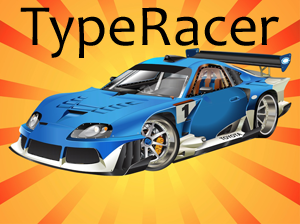
The blue car above is your car. In this TypeRacer / Type Racer game, you should type the words you see just below the game canvas. You should type the words in the input box given below the game canvas. Once you finish typing a line, you will see the next line. Keep typing and keep your competitors behind you.
To select / change difficulty level, please type / press 1, 2, or 3 on your keyboard when you see the game over screen.
You must type fast to win in this TypeRacer / Type Racer game. But every mistake will heavily reduce the chance of winning this game. So, try your best to avoid making mistakes.
In the easy level, you must score minimum 26 words per minute to win. In the medium level, minimum 46 words per minute is required. But in the hard level, you need minimum 81 words per minute to win.
Virtual Gold Medals: If you score more than 80 words per minute, you will get three virtual gold medals which is the highest rank in this game. If you are winning three virtual gold medals every time, you surely have professional typing skill which is a desired skill for many people. But you get two virtual gold medals if score between 61 and 80. Finally, you get only one gold medal for scoring between 46 and 60.
1. Typing Practice » Beginner Level » Home Row (1 - 17)
Practice Lesson 1: Index fingers: J and F
Practice Lesson 2: Middle fingers: K and D
Practice Lesson 3: Review: JFKD
Practice Lesson 4: Ring fingers: S and L
Practice Lesson 5: Pinkie fingers: A and ;
Practice Lesson 6: Index fingers: G and H
Practice Lesson 7: Back and forth
Practice Lesson 8: Left hand keys 1
Practice Lesson 9: Left hand keys 2
Practice Lesson 10: Right hand keys 1
Practice Lesson 11: Right hand keys 2
2. Typing Practice » Beginner Level » Top Row (18 - 32)
Practice Lesson 18: Index fingers: R and U
Practice Lesson 19: Middle fingers: E and I
Practice Lesson 20: Ring fingers: W and O
Practice Lesson 21: Pinkie fingers: Q and P
Practice Lesson 22: Index fingers: T and Y
Practice Lesson 23: Back and forth
Practice Lesson 24: All left hand 1
Practice Lesson 25: All left hand 2
Practice Lesson 26: All right hand 1
Practice Lesson 27: All right hand 2
3. Typing Practice » Beginner Level » Bottom Row (33 - 46)
Practice Lesson 33: Index fingers: V and M
Practice Lesson 34: Middle fingers: C and ,
Practice Lesson 35: Ring fingers: X and .
Practice Lesson 36: Pinkie fingers: Z and /
Practice Lesson 37: Index fingers: B and N
Practice Lesson 38: Back and forth
Practice Lesson 39: All left hand 1
Practice Lesson 40: All left hand 2
Practice Lesson 41: All right hand 1
Practice Lesson 42: All right hand 2
4. Typing Practice » Beginner Level » Miscellaneous (47 - 68)
Practice Lesson 47: Review 1: Left hand words
Practice Lesson 48: Review 2: Right hand words
Practice Lesson 49: Review 3: Alternating hand words
Practice Lesson 50: Capitals 1
Practice Lesson 51: Capitals 2
Practice Lesson 52: Capitals 3
Practice Lesson 53: Capitals 4
Practice Lesson 62: Numeric Keypad 1
Practice Lesson 63: Numeric Keypad 2
Practice Lesson 64: Numeric Keypad 3
Practice Lesson 65: Numeric Keypad 4
Practice Lesson 66: Easy Words
Practice Lesson 67: Easy Words
Practice Lesson 68: Easy Words
5. Typing Practice » Intermediate Level (69 - 110)
Practice Lesson 69: Common Letter Combinations - CK
Practice Lesson 70: Common Letter Combinations - CH
Practice Lesson 71: Common Letter Combinations - PH
Practice Lesson 72: Common Letter Combinations - GH
Practice Lesson 73: Common Letter Combinations - TH
Practice Lesson 74: Common Letter Combinations - DG
Practice Lesson 75: Common Letter Combinations - ION
Practice Lesson 76: Common Letter Combinations - OUS
Practice Lesson 77: Common Letter Combinations - ATE
Practice Lesson 78: Common Letter Combinations - QU
Practice Lesson 79: Common Letter Combinations - IAL
Practice Lesson 80: Common Letter Combinations - ENT
Practice Lesson 81: Common Letter Combinations - ER
Practice Lesson 82: Common Letter Combinations - GRA
Practice Lesson 83: Common Letter Combinations - OR
Practice Lesson 84: Common Letter Combinations - ABLE
Practice Lesson 85: Common Letter Combinations - IC
Practice Lesson 86: Common Letter Combinations - EI
Practice Lesson 87: Common Letter Combinations - ACY
Practice Lesson 88: Common Letter Combinations - EX
Practice Lesson 89: Common Letter Combinations - ON
Practice Lesson 90: Common Letter Combinations - IN
Practice Lesson 91: Common Letter Combinations - ING
Practice Lesson 92: Common Letter Combinations - ARY
Practice Lesson 93: Common Letter Combinations - LY
Practice Lesson 94: Common Letter Combinations - GY
Practice Lesson 95: Common Letter Combinations - ED
Practice Lesson 96: Common Letter Combinations - AL
Practice Lesson 97: Common Letter Combinations - TRAN
Practice Lesson 98: Common phrase practice 1
Practice Lesson 99: Common phrase practice 2
Practice Lesson 100: Common phrase practice 3
Practice Lesson 101: Common phrase practice 4
Practice Lesson 102: Common phrase practice 5
Practice Lesson 103: Common phrase practice 6
Practice Lesson 104: Common phrase practice 7
Practice Lesson 105: Common phrase practice 8
Practice Lesson 106: Common phrase practice 9
Practice Lesson 107: Common phrase practice 10
Practice Lesson 108: Common phrase practice 11
Practice Lesson 109: Common phrase practice 12
Practice Lesson 110: Common phrase practice 13
6. Typing Practice » Advanced Level (111 - 144)
Practice Lesson 111: Using Right Hand SHIFT Key
Practice Lesson 112: Using Left Hand SHIFT key
Practice Lesson 113: Using Each SHIFT Key
Practice Lesson 114: Left hand only - short words
Practice Lesson 115: Left hand only - longer words
Practice Lesson 116: Right hand only - easy words
Practice Lesson 117: Right hand only - harder words
Practice Lesson 118: Words with alternate hands letters
Practice Lesson 119: Numbers and Special Characters - Left hand
Practice Lesson 120: Numbers and Special Characters - Right hand
Practice Lesson 121: Numbers and Special Characters - Left hand - More difficult
Practice Lesson 122: Numbers and Special Characters - Right hand - More difficult
Practice Lesson 123: Tongue twisters 1
Practice Lesson 124: Tongue twisters 2
Practice Lesson 125: Tongue twisters 3
Practice Lesson 126: Tongue twisters 4
Practice Lesson 127: Tongue twisters 5
Practice Lesson 128: Tongue twisters 6
Practice Lesson 129: Tongue twisters 7
Practice Lesson 130: Tongue twisters 8
Practice Lesson 131: Tongue twisters 9
Practice Lesson 132: Tongue twisters 10
Practice Lesson 133: Tongue twisters 11
Practice Lesson 134: Tongue twisters 12
Practice Lesson 135: Tongue twisters 13
Practice Lesson 136: Tongue twisters 14
Practice Lesson 137: Tongue twisters 15
Practice Lesson 138: Tongue twisters 16
Practice Lesson 139: Tongue twisters 17
Practice Lesson 140: Tongue twisters 18
Practice Lesson 141: Tongue twisters 19
Practice Lesson 142: Tongue twisters 20
Practice Lesson 143: The hardest words to type 1
Practice Lesson 144: The hardest words to type 2
7. Typing Practice » Miscellaneous (145 - 166)
Practice Lesson 145: Alphanumeric Typing Test: 1
Practice Lesson 146: Alphanumeric Typing Test: 2
Practice Lesson 147: Alphanumeric Typing Test: 3
Practice Lesson 148: Alphanumeric Typing Test: 4
Practice Lesson 149: Alphanumeric Typing Test: 5
Practice Lesson 150: Alphanumeric Typing Test: 6
Practice Lesson 151: Alphanumeric Typing Test: 7
Practice Lesson 152: Alphanumeric Typing Test: 8
Practice Lesson 153: Alphanumeric Typing Test: 9
Practice Lesson 154: Alphanumeric Typing Test: 10
Practice Lesson 155: English Alphabet Typing Test
Practice Lesson 156: ASDF JKL; - Home-Row Practice
Practice Lesson 157: QWERT YUIOP - Top-Row Practice
Practice Lesson 158: ZXCVB NM,./ - Bottom-Row Practice
Practice Lesson 159: Left Hand Typing Practice
Practice Lesson 160: Right Hand Typing Practice
Practice Lesson 161: Symbols & Special Character
Practice Lesson 162: Numbers & symbols
Practice Lesson 163: Random Word Typing
Practice Lesson 164: Common Word Typing
Practice Lesson 165: Legal Typing Test
Practice Lesson 166: Medical Typing Practice
Practice Lesson 167: Home-Row Typing Practice Words
Practice Lesson 168: Home-Row and Upper Row Typing Practice Words
Online Typing Test in English
1 Minute Typing Test
2 Minute Typing Test
3 Minute Typing Test
5 Minute Typing Test
10 Minute Typing Test
10 Typing Games / Typewriting Games





Bookmark This Page (Ctrl + D)


Typing Test — Top 10 (ten) World Ranking
Get an online typing test certificate now
Please note: We may delete certificates older than 6 (six) months.
Best Score | World Ranking | Countrywise Ranking
Get a Certificate | Register | Log In
WPM = Words per minute
| Sl. | Name | Level | Net WPM | Accuracy | Country |
|---|---|---|---|---|---|
| 1. | Broderick Bagert | Professional | 111 | 99.10% | United States |
| 2. | Farhan | Professional | 93 | 93.96% | Indonesia |
| 3. | Teoh You Le | Professional | 83 | 95.41% | Malaysia |
| 4. | Braeden Edward O'Daniel | Fast | 68 | 97.13% | United States |
| 5. | Laura Elizabeth Ewing | Fast | 67 | 94.38% | United States |
| 6. | Laura Elizabeth Ewing | Fluent | 60 | 93.79% | United States |
| 7. | Laura Elizabeth Ewing | Fluent | 59 | 90.77% | United States |
| 8. | Laura Elizabeth Ewing | Fluent | 56 | 93.29% | United States |
| 9. | Laura Elizabeth Ewing | Fluent | 53 | 82.87% | United States |
| 10. | Osama Abbas hussain | Fluent | 47 | 100.00% | Pakistan |
How we grade your typing speed:
| Level | Net WPM |
|---|---|
| Slow | 0 - 25 |
| Average | 26 - 45 |
| Fluent | 46 - 60 |
| Fast | 61 - 80 |
| Professional | 80+ |
Performance Graph — Based on top 10 (ten) world ranking
Typing Test — Last 25 Practice Results
Get an online typing test certificate now
Please note: We may delete certificates older than 6 (six) months.
Best Score | World Ranking | Countrywise Ranking
Get a Certificate | Register | Log In
The following list shows how some users of this website have performed within last 24 hours.
WPM = Words per minute
How we grade your typing speed:
| Level | Net WPM |
|---|---|
| Slow | 0 - 25 |
| Average | 26 - 45 |
| Fluent | 46 - 60 |
| Fast | 61 - 80 |
| Professional | 80+ |
Performance Graph — Based on last 25 results
Run Race Typing Games to Boost Your Speed
Imagine sitting in front of your computer, your fingers hovering over the keyboard, and your heart racing as a countdown begins. Three, two, one, type! Your words become your car, your accuracy becomes your fuel, and your speed determines if you win the race. That is the thrilling world of run race typing. But here’s the big question—can a simple game like run race typing really make you type faster, or is it just another fun distraction? Let’s dive deep to find out the truth and uncover why this online typing challenge is secretly one of the best tools to sharpen your skills and build lightning-fast typing speed.
The Excitement Behind Run Race Typing
Run race typing is more than just a regular typing test. It’s a race where your fingers are your engine. The faster and more accurately you type, the quicker your car, bike, or character moves on the screen. It turns boring typing drills into an exciting competition that motivates you to improve your words per minute while having fun. Beginners love it because it removes the pressure of formal typing lessons and replaces it with the thrill of gaming. Each race is a new challenge, and every victory gives you a reason to push for the next level.
Why Typing Games Work Better Than Traditional Practice
Most people start practicing typing by repeating random paragraphs or memorizing the keyboard layout. While that method helps, it often gets boring quickly. Run race typing changes the game by adding entertainment and instant feedback. When you see your racer moving faster because of your accuracy, it gives you a rush of excitement. This immediate reward system keeps your brain engaged and helps you remember key placements better. Research even shows that gamified learning boosts motivation and long-term retention. That means your typing practice becomes more effective when it feels like a game rather than a task.
Understanding the Basics of Run Race Typing
For beginners, run race typing might sound a bit complex, but it’s actually very simple. When you start the game, you’ll be given a piece of text to type. It could be a short story, a series of random words, or even a quote. As you type the words correctly, your racer moves ahead. If you make mistakes, your speed slows down, and your position in the race drops. The goal is to finish the text accurately and as fast as possible. At the end, the game shows your typing speed in words per minute, your accuracy percentage, and how you compare with other players.
How Run Race Typing Builds Real Typing Skills
The beauty of run race typing is that it trains both your speed and accuracy at the same time. As you race, your focus naturally shifts toward typing without errors because mistakes slow you down. This builds your muscle memory and forces your fingers to hit the right keys automatically. Over time, this repetition strengthens your typing rhythm. The more you play, the more confident you become. You’ll start noticing improvements not only in your game but also when typing emails, reports, or school assignments.
The Motivation Factor in Run Race Typing
Motivation is the secret ingredient behind learning anything effectively. Traditional typing lessons often fail because they lack excitement. Run race typing solves that by giving you goals to achieve in every session. Maybe you want to beat your previous speed or challenge your friends to a typing duel. Each race feels fresh and competitive. When you start winning races or see your name on the leaderboard, you naturally want to get even better. This keeps you practicing regularly without feeling like you are studying.
Step-By-Step Guide to Get Started With Run Race Typing
If you’re a complete beginner, don’t worry. Getting started with run race typing is easy and fun. First, visit a typing website that offers free race typing games. Next, choose a typing mode that matches your skill level. Some games have beginner tracks with shorter texts, while others offer advanced challenges. Then, relax your hands on the keyboard using the home row position—fingers on A, S, D, F and J, K, L, and semicolon. When the countdown begins, start typing what you see on the screen. Keep your eyes on the text, not your fingers. Accuracy matters more than speed in the beginning. Once you finish the race, review your results. Focus on improving accuracy first, and then gradually work on speed.
Common Mistakes Beginners Make During Run Race Typing
Many beginners get excited and start typing as fast as possible without paying attention to accuracy. This causes too many errors and reduces overall performance. Another common mistake is looking down at the keyboard instead of keeping your eyes on the text. This slows you down and prevents you from building muscle memory. Some people also tense their shoulders or hands while racing, which causes fatigue. The solution is to stay calm, type with rhythm, and practice small sessions every day instead of long, tiring ones.
How to Improve Your Typing Speed Through Run Race Typing
Speed improvement in run race typing doesn’t happen overnight. The secret is consistent practice. Set small daily goals, such as improving your words per minute by two points each day. Track your progress over time. Try different race modes to challenge yourself. For example, play a short race to test your reflexes or a long one to build endurance. Another powerful method is to retype your favorite texts until you can do them flawlessly. This repetition teaches your fingers the right key placements subconsciously. Over weeks of practice, your speed will increase naturally without forcing it.
Why Accuracy Matters More Than Speed
Many people focus too much on typing fast, but accuracy is the foundation of true typing mastery. In run race typing, one wrong letter can slow your racer down. By training your brain to type correctly the first time, you avoid wasting time fixing mistakes. This leads to smoother, faster typing in the long run. Imagine two racers—one types at 90 words per minute with 70 percent accuracy, and another at 75 words per minute with 100 percent accuracy. The second person actually finishes faster because they don’t waste time correcting errors.
Using Run Race Typing to Build Focus and Concentration
Run race typing also helps improve mental focus. Because it’s a fast-paced game, you must pay attention to every word, punctuation, and space. This strengthens your concentration levels. Over time, you’ll notice that your attention span improves not only in typing but also in other activities like studying or working. The more you play, the better you become at multitasking, processing information quickly, and reacting to challenges calmly.
Turning Typing Practice Into a Habit
The key to becoming a fast typist is not one long practice session—it’s regular short ones. Run race typing makes this easy because each race lasts just a few minutes. You can fit several races into your daily routine without getting bored. Start your morning with a quick race, take one during your lunch break, and end your day with another. The more consistent you are, the faster your progress will be. Make it a part of your daily routine, just like brushing your teeth or checking your messages.
The Role of Competition in Run Race Typing
Human beings are naturally competitive, and that’s what makes run race typing so addictive. Competing against others pushes you to give your best effort. You get immediate feedback on where you stand, and that motivates you to practice harder. Many websites let you compete with real players around the world in real time. Imagine racing against someone from another country and winning because your typing speed outmatched theirs. It’s both exciting and satisfying.
How Run Race Typing Helps Students and Professionals
For students, run race typing builds a valuable skill that helps with schoolwork, essays, and projects. The faster you can type, the more efficiently you can finish tasks. For professionals, typing speed means productivity. If you can write reports, send emails, and enter data faster, you save hours every week. Employers value efficiency, and having strong typing skills gives you an edge in almost every job. Whether you’re a student, a writer, or an office worker, run race typing can make your daily computer use smoother and faster.
Examples of Run Race Typing in Real Life
Let’s say you’re a college student writing a long paper due in a few hours. Typing quickly and accurately helps you finish faster, leaving time for proofreading. Or imagine being a gamer competing in an online speed-typing challenge, where every keystroke decides the winner. Even professionals benefit—for instance, data entry workers use the same muscle memory developed in typing games to complete tasks faster. The skills you build in run race typing transfer directly into real-life efficiency.
Fun Challenges You Can Try With Run Race Typing
If you want to make your practice more engaging, try setting challenges for yourself. For example, race ten times in a row and aim to beat your personal best score. Or challenge a friend to a typing duel to see who can complete the same paragraph faster. You can also set a timer for one minute and count how many correct words you type without any mistakes. Adding challenges keeps your brain engaged and prevents boredom.
Tips to Stay Consistent With Run Race Typing
Consistency is the secret to improvement. One effective strategy is to schedule your races at the same time each day. You can also keep a simple notebook or app to record your daily typing speed and accuracy. Seeing progress motivates you to keep going. Make sure you also take breaks to prevent finger fatigue. Short, regular sessions always beat long, tiring ones. Remember that every small improvement adds up over time.
The Science Behind Typing Improvement
Studies show that your brain forms neural connections through repeated practice. In run race typing, the constant repetition of key sequences trains your muscle memory. Your fingers learn to move automatically without conscious effort. This is why touch typists can type with their eyes closed or while reading from a screen. The more you race, the stronger these neural pathways become. In simple terms, your brain and fingers start working together like a perfectly tuned machine.
How Run Race Typing Builds Confidence
Every time you complete a race, you get measurable results—speed, accuracy, and performance ranking. Seeing those numbers improve boosts your confidence. You start believing in your ability to type fast and handle any typing-related task efficiently. That confidence spills over into other areas of life, like school or work, because it gives you proof that consistent effort brings real progress.
Why Run Race Typing Is Perfect for Beginners
Run race typing is designed for all levels, but it’s especially good for beginners because it’s simple, visual, and interactive. You don’t need special skills to start. The game teaches you gradually, letting you improve at your own pace. Instead of feeling pressured, you’re encouraged by small victories. It’s the perfect mix of learning and fun, and that’s what makes it so effective for people just starting their typing journey.
Advanced Run Race Typing Techniques to Level Up Your Skills
Once you’ve mastered the basics of run race typing, it’s time to explore some advanced techniques that can take your performance to the next level. One powerful method is to focus on word grouping. Instead of typing letter by letter, train your brain to recognize small groups of words or common phrases as a single unit. For example, type “in the end” as one chunk instead of three separate words. This technique builds typing flow and reduces hesitation. Another trick is shadow typing, where you read a sentence silently before typing it. This boosts anticipation and speeds up your response time. Advanced players also practice rhythm typing, where they maintain a steady beat as they type. It’s similar to drumming, where consistency and rhythm improve precision and speed.
How Run Race Typing Enhances Hand-Eye Coordination
Run race typing is not just about speed—it also improves hand-eye coordination, which is an important skill in many real-world tasks. When you play, your eyes must follow the text quickly while your hands translate what you see into instant motion. Over time, your eyes and fingers learn to sync perfectly. This coordination benefits other activities too, such as gaming, programming, or any task that requires quick responses. People who play run race typing regularly often report smoother typing even when multitasking, like reading emails while replying to messages.
The Role of Practice Frequency in Run Race Typing Success
Practice frequency plays a major role in how quickly you improve. Many beginners make the mistake of practicing for long hours once a week instead of short daily sessions. The best way to build progress in run race typing is through consistency. Typing for ten minutes a day is far more effective than practicing for two hours once a week. Your brain learns best through repetition spaced over time. This approach is known as distributed practice, and it is proven to improve memory retention and skill development.
How Run Race Typing Improves Reaction Time
Fast typing is all about fast reactions. When you race, you need to process words instantly and respond with precise finger movements. Over time, this strengthens your reaction time. You start reading faster, predicting word patterns, and typing with minimal delay. This kind of quick reflex training benefits your everyday life too. Whether you’re chatting online, filling out forms, or gaming, your brain learns to respond faster to information. Many players notice that their general speed of thinking and processing words increases as a result of regular run race typing practice.
Turning Run Race Typing Into a Learning Game
One creative way to enhance your experience is to use run race typing as a learning game. You can find or create typing races that use educational texts. For example, type paragraphs from history, science, or literature. This way, you not only improve your typing speed but also absorb useful knowledge while playing. Teachers and parents can use this method to make learning more engaging for students. By combining education with competition, run race typing turns study time into an exciting race of words and knowledge.
The Connection Between Typing Speed and Brain Efficiency
Typing speed is closely linked to how efficiently your brain processes information. When you play run race typing, your brain must read, comprehend, and react all at once. This trains your mind to process information faster. Neuroscientists have found that people who type regularly develop improved cognitive control, which means they can switch between tasks more easily. This explains why experienced typists often appear more organized and focused. Run race typing not only builds your typing skills but also strengthens the mental pathways involved in quick decision-making.
How to Analyze Your Run Race Typing Results
After every race, the game usually shows your words per minute, accuracy, and error count. Instead of ignoring these numbers, use them to guide your improvement. For instance, if your accuracy is below ninety percent, focus on typing slower with fewer errors. If your speed is good but inconsistent, practice with different text lengths. You can even make charts to track your weekly improvement. Watching your progress grow visually can motivate you to keep practicing. The key is not to compare your results with others but to focus on beating your personal best.
The Power of Muscle Memory in Run Race Typing
Muscle memory is what separates beginners from experts. In run race typing, you are training your fingers to automatically know where each key is without looking. The more you practice, the more natural your movements become. Just like a pianist remembers where each note lies on a keyboard, a typist remembers key locations without thinking. This makes your typing smooth and effortless. The best way to strengthen muscle memory is through repetition. Typing short texts multiple times until they feel natural builds this automatic motion faster than constantly switching between different paragraphs.
How to Stay Calm During Competitive Races
Many players struggle with nervousness when competing against others in run race typing. Their hands tense up, and they start making unnecessary mistakes. The secret to staying calm is to focus on your own rhythm instead of watching other racers. Take a deep breath before each race and remind yourself that accuracy comes first. Another effective trick is to imagine that you are racing against your past self, not against others. This mindset keeps you relaxed and helps you type with better focus and control.
Using Run Race Typing to Build Better Keyboard Habits
The run race typing game can help you break bad typing habits and build better ones. For instance, if you tend to use only two fingers to type, the game encourages you to use all ten fingers by rewarding balanced movement and speed. It also helps you maintain proper posture, since sitting correctly allows faster hand movement. Make sure your keyboard is at the right height and your wrists are not strained. Good posture prevents fatigue and lets you play longer without discomfort.
Combining Run Race Typing With Other Typing Exercises
If you want to progress even faster, combine run race typing with traditional typing exercises. Spend a few minutes practicing drills for tricky keys like numbers or punctuation marks, then move to a few run race typing sessions for fun. The combination of structured drills and gameplay creates a balanced training routine. For example, practice typing long words like “extraordinary” or “responsibility” to improve finger coordination, and then test your progress in a race. This hybrid approach ensures continuous improvement without boredom.
How Run Race Typing Improves Language and Spelling Skills
Typing games often use real sentences, which helps you recognize correct spelling patterns and grammar subconsciously. As you play, you naturally start remembering how words look and are spelled. This passive learning method improves your language skills without formal study. People who regularly play run race typing often notice fewer spelling mistakes in their writing. It also builds a richer vocabulary since you’re constantly reading new words while typing.
Tracking Long-Term Progress in Run Race Typing
Progress tracking is one of the most rewarding parts of run race typing. When you look back at your first scores after a few weeks, you’ll see noticeable improvement. Many websites allow you to save your stats or create accounts where your progress is automatically tracked. Watching your speed increase and your mistakes decrease over time gives you proof of your hard work. Set long-term goals like reaching one hundred words per minute or maintaining ninety-nine percent accuracy. These milestones keep you motivated for months of practice.
How to Compete in Online Tournaments and Events
Some run race typing platforms host online tournaments where players from around the world compete for rankings and badges. Joining these events is a great way to test your skills under pressure. Even if you don’t win, the experience teaches you how to handle competition and perform your best in real-time challenges. Many players make friends through these communities, sharing tips and encouraging each other to improve. The global competition also gives you perspective on how fast and accurate you’ve become compared to others.
The Long-Term Benefits of Run Race Typing for Career Growth
Typing faster and more accurately doesn’t just help in games—it’s a valuable career skill. Jobs in administration, data entry, journalism, and customer service all benefit from strong typing abilities. Faster typing means better productivity and fewer mistakes in your work. Many employers even test typing speed during job applications. Practicing run race typing consistently can prepare you for such tests and give you a professional advantage. Being known as someone who types quickly and precisely can open up new job opportunities and help you stand out from other applicants.
How Run Race Typing Builds Discipline and Patience
Improving in run race typing takes time and persistence. You won’t reach top speeds overnight, but the daily progress you make builds patience and discipline. These qualities are valuable beyond typing—they apply to studying, working, and personal development too. The game teaches you how to focus on long-term improvement instead of instant success. Every race is a reminder that consistency beats talent when combined with effort.
The Joy of Seeing Real Progress
There’s something deeply satisfying about watching your speed numbers climb after weeks of practice. That moment when you finally type without looking at the keyboard feels empowering. Run race typing gives you instant feedback, allowing you to celebrate each small achievement. This sense of progress makes the learning journey enjoyable and keeps you motivated to continue improving.
Why Everyone Should Try Run Race Typing at Least Once
Even if you’re not a gamer, run race typing is an experience worth trying. It combines entertainment, education, and skill-building in a way few online activities do. It turns a simple task like typing into a thrilling challenge that sharpens your mind and fingers. Whether you’re a student aiming to finish essays faster, a worker trying to be more productive, or just someone who loves competition, run race typing offers a fun and rewarding way to grow. It’s not just about winning races—it’s about racing your way to becoming the best version of yourself.
Bringing It All Together
Run race typing is more than just a typing game—it’s a smart, fun, and proven way to build real-world typing skills. It combines entertainment with learning, helping beginners become confident typists without feeling bored. With every race, you sharpen your focus, increase your accuracy, and push your limits. Whether you’re playing for fun or improvement, this game turns practice into excitement. So the next time you sit down at your keyboard, don’t just practice—race your way to better typing speed and accuracy.
More Resources
- Learn to Type Faster Online Step by Step
- Computer Keyboard Learning Games for Beginners
- Best Typing Speed Test Online for Free to Boost Accuracy
- Mock Typing Test Online for Beginners
- Typing Speed 10 Fingers for Beginners
- Typing Practice Numeric for Complete Beginners
- Fast Typer 2 Practice to Improve Accuracy
- Learning Typing Lessons for Beginners
- Best English Online Typing Test Free for Beginners
- Typing Speed Per Minute Test Online Free