Best Typing Games for Kids Online






168 Typing Practice & Free Typing Lessons. Try Now.
1. Keyboard Games: Nitro Type
Nitro Type Race is probably the most famous among all free typing games. It is a typing car race game.
In this game, you own the yellow car. The car will be running ahead until the game ends. Once you select your favorable difficulty level, the game will begin. You will see several cars around your car. On each car, you will see a word.
If you target a car and type the word on it, the enemy car will be destroyed. What if you type a letter incorrectly? Your enemy car will fire at you and your car will be damaged. If enemy cars keep damaging your car, you will eventually lose the game.
If you are winning in the beginner level every time, you should try the upper level that is more difficult and requires faster typing speed.
If you want to practice paragraph typing games racing, you should try our TypeRacer game because this game only lets you type different words. There is no paragraph typing option in this game.
Play this fast typing game now
2. Keyboard Games: Ninja Cat
Although you will find Ninja Cat in free typing games, it is not very popular nowadays. Once upon a time, it was very popular in typing practice games.
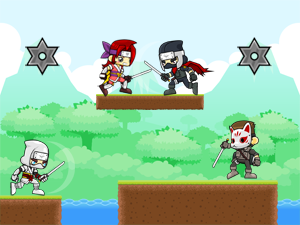
In this typing practice game, the Ninja Cat fights on behalf of you. When you keep typing correctly, your Ninja Cat will keep attacking the other Ninja man. The man will eventually die. What if you make a mistake? The enemy will immediately attack you and you must take damage in such a case.
Keep typing properly until the result statistics are shown.
Play this fast typing game now
3. Keyboard Games: TypeRacer / Type Racer
TypeRacer is also very popular among free typing games. It is not as popular as the Nitro Type Race game but it is also a very popular typing car race game.
Are you looking for typing test paragraphs? In this game, you will get an opportunity to type paragraphs. There are several cars in this game. You own one of the cars. You will see a random paragraph. Your job is to type each word without making any mistakes. Besides being accurate, you must type fast. Slow typing and mistakes will contribute to losing the game.
You will notice that both accuracy and speed are important in most typing practice games.
Play this fast typing game now
4. Keyboard Games: ZType
Few free typing games could reach and hold the popularity of ZType. As far as we have seen, this game has been popular for 10+ years.
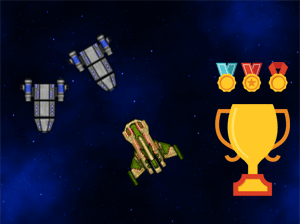
This is a space shooter game. Your task is to shoot down the enemy fighter jets. Each enemy fighter jet has a word around it. You finish typing this word and the enemy fighter jet gets destroyed. Then you target another fighter jet and type its word and then it gets destroyed too. This goes on until the game ends.
Although you are allowed to make mistakes in this game, every mistake will cost your typing words per minute score.
Play this fast typing game now
5. Keyboard Games: Zombie Typing Game Typocalypse
In the list of free typing games, the Zombie typing game was very popular once upon a time. You can see other zombie typing games in other websites too because it was very popular once upon a time. It is still somewhat popular nowadays.
The typing game online idea is pretty simple. Zombies will be approaching you. As soon as they are very near to you, they will immediately kill you. Do you want to kill or get killed? Every zombie brings a word with it. You shoot down the zombie by typing the word. Your job is to keep shooting the approaching zombies.
Other similar typing test games work in a very similar way.
Play this fast typing game now
6. Keyboard Games: Dance Mat Typing
It is also one of the most popular free typing games. It was originally developed by BBC and then others made their own versions of this game because of its high popularity.
Our fast typing game here does not totally match with that of the BBC game. In our version, you will find that a child will be dancing. You keep typing correctly, the child will keep dancing and balloons will fly one after another. You start typing incorrectly, the child stops dancing. So, you see this typing game online has a pretty simple idea.
Please note that this game has a long list of exercises. These exercises cover pretty much everything you need for your typing practice.
Play this fast typing game now
7. Keyboard Games: Keyboard Climber 2
10 (ten) years ago, there were many free typing games and Keyboard Climber 2 was a popular choice. Nowadays this game is not as popular as before.
In this typing game online, you have your player jump above and climb all the top levels. In each level, there is an enemy waiting for you. You type some random letters and you kill the enemy when you finish typing the random letters attached to the enemy. You do not need to take any action to jump upward. As soon as you kill an enemy by typing correctly, your player automatically jumps upward to fight with another enemy.
The only purpose of this game is to help the beginners learn alphabet typing.
Play this fast typing game now
8. Keyboard Games: Just Type This
This game does not take place in free typing games. It is an ordinary typing game.
It is a Mario typing game. It is also a platformer game where Mario keeps running and jumping and thus tries to avoid obstacles. There are many moving obstacles in this typing game online. If Mario hits a moving object, it will die immediately. Although Mario will probably get another life, you should be careful so that you do not make any typing mistake. Even if you make a mistake, keep your mistakes to the minimum number.
This game is basically for beginners who need to practice alphabet typing.
Play this fast typing game now
9. Keyboard Games: Flying Race
This typing game also does not expect any place in popularity in free typing games.
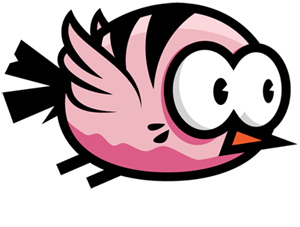
There are several birds in this game. You help one bird to fly fast and win this flying race. When you type fast and correctly, the speed of your bird increases. The speed increases so much that your bird flies past other birds to take the first position. What if you type slowly? What if you type incorrectly? In both these cases, the speed of your bird slows down and it keeps lagging behind. If your typing speed and accuracy does not improve immediately, the chance of your win quickly goes down.
To win in this fast typing game every single time, keep typing fast without making any mistakes.
Play this fast typing game now
10. Keyboard Games: Save The Child
Among all our free typing games, this game is the simplest.
A monster is chasing a child. A child is running for its life. You can help the child to save its life.
At the bottom of the game canvas, you will see a letter from the English alphabet. As soon as you type it, the game begins. Both the child and monster start running. As soon as you type the letters correctly, the child survives. If you keep making typing mistakes, the monster will approach the child fast and kill the child. Your typing speed and accuracy can cost the child's life.
The primary purpose of this typing game online is to help you master typing all letter fast from the English alphabet.
Play this fast typing game now
Bookmark This Page (Ctrl + D)


Typing Test — Top 10 (ten) World Ranking
Get an online typing test certificate now
Please note: We may delete certificates older than 6 (six) months.
Best Score | World Ranking | Countrywise Ranking
Get a Certificate | Register | Log In
WPM = Words per minute
| Sl. | Name | Level | Net WPM | Accuracy | Country |
|---|---|---|---|---|---|
| 1. | Broderick Bagert | Professional | 111 | 99.10% | United States |
| 2. | Farhan | Professional | 93 | 93.96% | Indonesia |
| 3. | Teoh You Le | Professional | 83 | 95.41% | Malaysia |
| 4. | Fluffy Toucan | Fast | 73 | 88.01% | Albania |
| 5. | Fluffy Toucan | Fast | 71 | 92.25% | Albania |
| 6. | Laura Elizabeth Ewing | Fast | 67 | 94.38% | United States |
| 7. | Laura Elizabeth Ewing | Fluent | 60 | 93.79% | United States |
| 8. | abdullah mashia | Fluent | 59 | 98.34% | Puerto Rico |
| 9. | Laura Elizabeth Ewing | Fluent | 59 | 90.77% | United States |
| 10. | Damyan Todorov | Fluent | 57 | 93.49% | Bulgaria |
How we grade your typing speed:
| Level | Net WPM |
|---|---|
| Slow | 0 - 25 |
| Average | 26 - 45 |
| Fluent | 46 - 60 |
| Fast | 61 - 80 |
| Professional | 80+ |
Performance Graph — Based on top 10 (ten) world ranking
Typing Test — Last 25 Practice Results
Get an online typing test certificate now
Please note: We may delete certificates older than 6 (six) months.
Best Score | World Ranking | Countrywise Ranking
Get a Certificate | Register | Log In
The following list shows how some users of this website have performed within last 24 hours.
WPM = Words per minute
How we grade your typing speed:
| Level | Net WPM |
|---|---|
| Slow | 0 - 25 |
| Average | 26 - 45 |
| Fluent | 46 - 60 |
| Fast | 61 - 80 |
| Professional | 80+ |
Performance Graph — Based on last 25 results
Best Typing Games for Kids Online
Most kids do not wake up excited to practice keyboard skills. They wake up wanting cartoons, snacks, games, funny videos, and maybe five more minutes in bed. But here is the surprise: the right typing games for kids can turn keyboard practice into something they actually ask to do.
Imagine a child sitting at a computer, staring at the keyboard, moving one finger at a time. Every letter feels slow. Every sentence feels like a tiny mountain. Now imagine that same child smiling, typing words faster, and trying to beat yesterday’s score. What changed?
The answer is simple. They found typing games for kids that made practice feel like play.
Typing games for kids are one of the easiest ways to help children learn typing without making them feel bored, stressed, or forced. These games help kids learn where letters are, which fingers to use, how to type faster, and how to make fewer mistakes. The best part is that children often do not feel like they are studying. They feel like they are playing.
But here is the big question you may be wondering right now: how do you know which typing games for kids are actually helpful and which ones are just colorful time-wasters?
That is the question we are going to answer in this updated guide. And the answer may surprise you, because the “best” typing game is not always the flashiest one. Sometimes the best typing games for kids are the ones that quietly build skill in small steps, one letter, one word, and one happy little win at a time.
This blog post is written for complete beginners. You do not need to be a teacher, tech expert, or typing coach. If you are a parent, student, homeschool helper, tutor, or beginner learner, this guide will help you understand how typing games for kids work, why they matter, how to choose the right ones, and how to use them in a simple daily routine.
What Typing Games for Kids Actually Do
Typing games for kids might look like ordinary computer games, but many of them teach important keyboard skills in a fun way. They help children learn the keyboard layout, finger placement, typing accuracy, typing speed, focus, and confidence.
A good typing game does not just say, “Type faster.” It teaches kids how to type better. It may show the correct finger to use. It may start with simple letters like A, S, D, and F. Then it may slowly add more keys. Over time, the child learns to type without staring at the keyboard.
This is important because many children begin typing with one or two fingers. That may seem fine at first. A small child can still type a name, a search word, or a short message with two fingers. But later, when school assignments get longer, slow typing becomes frustrating.
Typing games for kids help stop this problem early.
For example, a game may ask a child to type the letter B before a balloon floats away. Another game may ask them to type a word to move a car forward. A third game may show a friendly animal that jumps when the correct key is pressed. These simple actions train the brain and fingers to work together.
Kids learn through repetition. But plain repetition can feel boring. Typing games for kids make repetition feel exciting.
That is the real magic.
Why Typing Games for Kids Are Important Today
Children use computers more than ever. They type for schoolwork, homework, quizzes, projects, messages, searches, stories, and online learning. Even very young students may need to use a keyboard for class activities.
Typing is no longer just a “nice extra skill.” It is a basic digital skill.
In the past, children learned handwriting first and typing much later. Today, many children use keyboards early. They may still need handwriting, but typing is also part of everyday learning. A child who types slowly can feel stuck. A child who types comfortably can focus more on ideas.
Typing games for kids are helpful because they teach keyboard skills in a child-friendly way. Instead of saying, “Sit down and practice for 30 minutes,” you can say, “Try this typing game for 10 minutes.” That small change can make a big difference.
Typing games can improve speed. Speed means how many words a child can type in a minute.
Typing games can improve accuracy. Accuracy means typing the correct letters with fewer mistakes.
Typing games can improve confidence. Confidence means the child feels comfortable using the keyboard.
Typing games can improve focus. Focus means staying with the activity long enough to learn.
Typing games can improve hand-eye coordination. This means the eyes, brain, and fingers learn to work as a team.
Typing games for kids can also reduce frustration. When children type faster, homework feels easier. When typing feels easier, writing becomes less scary. When writing feels less scary, kids may share more ideas.
And that is a big win.
A Simple Story About Typing Practice
Let’s imagine a student named Mia.
Mia is seven years old. She loves online games, funny animal videos, and drawing pictures on the computer. But when her teacher asks her to type a few sentences, Mia gets upset. She types with one finger. She looks down at every key. She presses the wrong letters. She sighs a lot.
Her mom tries to help. “Just practice,” she says.
Mia hears the word “practice” and makes a face like someone just offered her broccoli ice cream.
Then her teacher suggests typing games for kids.
At first, Mia plays for only five minutes a day. The game asks her to type letters to help a cartoon cat cross a bridge. Sometimes she misses a letter. Sometimes the cat falls in a silly way. Mia laughs. She tries again.
After one week, she knows more keys.
After two weeks, she starts using more fingers.
After one month, she types short words faster.
After two months, she can type simple sentences without looking down every second.
Mia did not become a typing expert overnight. She improved because she practiced in a way that felt fun.
That is why typing games for kids work so well. They remove fear. They add play. They turn small wins into motivation.
What Makes a Good Typing Game for Kids
Not every typing game is useful. Some games look fun but do not teach real typing skills. A child may click around, watch animations, or press random keys without learning much.
Good typing games for kids should teach typing in a clear and simple way.
A helpful typing game usually teaches finger placement. It shows where the hands should rest and which finger should press each key.
A helpful game starts easy. It should not throw long words at a complete beginner on the first day.
A helpful game increases difficulty step by step. It may begin with single letters, then short words, then longer words, then sentences.
A helpful game rewards progress. Kids enjoy points, stars, levels, badges, funny sounds, and cheerful messages.
A helpful game encourages accuracy first. Speed is important, but accuracy should come first. Fast mistakes are still mistakes.
A helpful game keeps sessions short. Children learn better in small daily sessions than in long stressful sessions.
A helpful game is fun enough to bring the child back. If the game feels boring, the child will avoid it.
This is why choosing the right typing games for kids matters. The goal is not just to keep kids busy. The goal is to build a real skill.
How Typing Games for Kids Teach Touch Typing
Touch typing means typing without looking at the keyboard. It is the best long-term typing habit.
At first, touch typing feels strange. Kids may want to look down. That is normal. The keyboard has many keys, and it can look confusing. But typing games for kids can make touch typing easier by starting with small groups of keys.
Most typing lessons begin with the home row. The home row keys are A, S, D, F for the left hand and J, K, L, ; for the right hand. The fingers rest on these keys.
From there, the child learns how to reach up, down, left, and right. The fingers slowly memorize the keyboard.
This is called muscle memory. It means the body remembers actions through repeated practice. You do not think hard about every step when you ride a bike. You do not think hard about every letter when you become a good typist. Your fingers just know where to go.
Typing games for kids build this memory through fun repetition.
For example, one level may ask the child to type F and J many times. Another level may add D and K. Another may add S and L. The child keeps practicing, but the game makes it feel like progress, not punishment.
Why Kids Should Learn Accuracy Before Speed
Many children want to type fast right away. That is normal. Speed feels exciting. Beating a score feels fun. But in typing, accuracy should come first.
If a child types 25 words per minute but makes many mistakes, the final work still takes longer. They have to stop, erase, correct, and try again. That can become frustrating.
Good typing games for kids often reward accuracy as well as speed. This teaches children to slow down, press the right keys, and build clean habits.
Think of typing like building a tower with blocks. If the bottom blocks are crooked, the tower will wobble. If the base is strong, the tower can grow tall.
Accuracy is the base. Speed comes later.
A beginner child may start at only 5 or 8 words per minute. That is okay. The goal is not to become super fast in one day. The goal is to type correctly, keep fingers in the right place, and improve little by little.
The best typing games for kids help children feel proud of small improvements.
How to Help Your Child Start the Right Way
Before your child begins typing games for kids, set up the space. A good setup makes typing easier and more comfortable.
Use a real keyboard if possible. A standard keyboard is better than a tablet screen for learning typing. Touch screens are useful, but they do not teach finger placement the same way.
Make sure the chair is comfortable. Your child’s feet should touch the floor or a footrest. Their back should feel supported.
Set the keyboard at a comfortable height. The arms should not be reaching too high or too low.
Keep the screen at eye level if possible. Your child should not need to bend forward too much.
Teach home row finger placement. Left fingers rest on A, S, D, F. Right fingers rest on J, K, L, ;. Thumbs rest near the space bar.
Start slowly. Do not worry about speed on the first day.
Encourage your child not to stare at the keyboard. A few quick looks are normal in the beginning, but the goal is to look at the screen more often.
Keep practice short. Five to fifteen minutes is enough for most kids.
And most important, keep the mood light. If typing becomes stressful, the child may not want to continue.
Now let’s explore some of the best types of typing games for kids. These examples are beginner-friendly and useful for different ages, personalities, and learning styles.
Some kids like animals. Some like racing. Some like music. Some like space. Some like stories and treasure hunts. That is why it helps to try different styles.
The goal is simple: find typing games for kids that your child enjoys enough to practice again tomorrow.
Animal Typing Adventure
Animal Typing Adventure is a fun idea for younger children. In this type of game, kids type letters or words to help friendly animals move, jump, run, or finish a task.
For example, a child may type the letter C to help a cat climb. They may type the word dog to help a puppy reach a bone. They may type short words to help a turtle cross a pond.
This style works well because animals are friendly and easy for kids to enjoy. The screen feels playful, not serious. The child wants to help the animal, so they keep typing.
Animal-themed typing games for kids are especially helpful for early beginners. They can start with single letters and slowly move into words.
What kids learn from this game:
They learn letter locations.
They practice quick reactions.
They build confidence.
They connect typing with fun.
They stay motivated through cute characters.
This is a great starting point for children who are nervous about typing.
Keyboard Ninja
Keyboard Ninja is a fast and exciting style of typing game. It is often inspired by action games where objects fall on the screen, and the player must press the correct key quickly.
Instead of slicing fruit with a finger, the child presses letters on the keyboard. A letter may fall from the top of the screen. The child must press that key before it disappears.
This type of game is great for learning key positions. It also helps children react quickly. They learn to recognize letters and press the right keys without waiting too long.
Keyboard Ninja-style typing games for kids are best after the child already knows some basic keys. If the child is a complete beginner, the game may feel too fast at first. But once they know the home row, it can be a fun challenge.
They learn to find keys quickly.
They improve letter recognition.
They build reaction speed.
They practice accuracy under light pressure.
They enjoy a fast game style.
Just remind children not to panic. The goal is learning, not perfect scores.
Typing Rocket Blast
Typing Rocket Blast is a fun space-themed typing game idea. In this type of game, rockets, stars, planets, or spaceships appear with letters or words. The child must type them before the rocket flies away or before the spaceship passes.
Space themes are exciting for many kids. They make typing feel like an adventure. Instead of “practice these letters,” the game says, “Launch the rocket!”
That small change matters.
Typing games for kids with rocket themes can be used for speed practice. They can also help children type short words faster. The game may start with letters like A, S, D, F and then move into simple words like sun, star, moon, and ship.
They practice speed.
They improve accuracy.
They build focus.
They learn to type before time runs out.
They enjoy a fun adventure theme.
This type of game works well for kids who like excitement and movement on the screen.
Dance Mat Typing
Dance Mat Typing is one of the most popular typing learning activities for children. It is often used in schools because it teaches typing step by step.
It uses colorful characters, simple instructions, and clear lessons. It starts with basic keys and slowly teaches more. This makes it helpful for complete beginners.
The best part about this kind of game is structure. Some typing games for kids are fun but random. Dance Mat Typing-style lessons follow a path. Kids learn one skill before moving to the next.
That is great for children who need clear guidance.
They learn finger placement.
They learn the home row.
They build touch typing habits.
They practice one lesson at a time.
They gain confidence through guided progress.
This is a strong choice for parents and teachers who want typing games for kids that feel both fun and educational.
Typing Car Race
Typing Car Race games are exciting because they turn typing into a race. The faster and more accurately a child types, the faster the car moves.
This is one of the best typing games for kids who enjoy competition. They may race against time, a computer car, or their own previous score.
The important thing is to keep the competition friendly. Children should not feel bad if they lose. The goal is to improve, not to feel stressed.
A good racing typing game should reward accurate typing. If the child types wrong letters, the car should slow down. This teaches an important lesson: accuracy helps speed.
They practice words and sentences.
They build typing speed.
They learn accuracy under pressure.
They enjoy goal-based practice.
They try to beat their own score.
Typing Car Race games are great for kids who say, “Typing is boring.” Racing can change their mind quickly.
Typing Music Keys
Typing Music Keys is a rhythm-based typing game style. Letters or words may fall on the screen in time with music, and the child must type them before they reach the bottom.
This kind of game is especially good for kids who enjoy music. It can feel like a typing dance. The beat keeps them engaged, and the letters create a fun challenge.
Rhythm typing games for kids can improve timing, attention, and hand-eye coordination. They can also help children type smoothly instead of stopping after every letter.
They build typing rhythm.
They improve focus.
They practice reaction time.
They connect sound with movement.
They make typing feel less stiff.
This game style may not be perfect for every child, but music-loving kids may enjoy it a lot.
Typing Word Builder
Typing Word Builder games help children type simple words. This is useful because typing is not just about letters. Kids also need to type words, sentences, and ideas.
A word builder game may show a picture of a cat and ask the child to type “cat.” Then it may show a tree, a ball, a house, or a book. The child types the word and sees a reward.
This type of typing game is helpful for early reading and spelling too. Children see the word, say the word in their mind, and type the letters.
Typing games for kids that include word building are great for younger elementary students. They help with spelling, vocabulary, reading, and typing at the same time.
They practice spelling.
They type short words.
They connect pictures and words.
They build early literacy.
They feel successful with simple tasks.
This is a smart choice for children who are still learning basic words.
Typing Island Adventure
Typing Island Adventure games use a story. The child may explore an island, unlock treasure, cross bridges, open doors, or solve puzzles by typing.
This type of game is powerful because it makes the child curious. They want to know what happens next. They want to unlock the next level. They want to find the treasure.
That curiosity keeps them practicing.
Typing games for kids with adventure themes are helpful for longer learning journeys. They make progress feel like a story instead of a worksheet.
They practice letters, words, and sentences.
They stay motivated through story.
They solve small problems.
They build longer focus.
They enjoy progress over time.
Adventure games are especially useful for kids who like exploring and unlocking rewards.
Typing Puzzle Games
Typing puzzle games ask children to type words or letters to solve problems. For example, a child may need to type the right word to open a door, match a picture, complete a sentence, or move a block.
These typing games for kids are great because they combine thinking and typing. The child is not just pressing keys quickly. They also need to understand what they are typing.
Puzzle typing games can be helpful for older kids who already know the keyboard but need more practice with words and sentences.
They build problem-solving skills.
They improve typing accuracy.
They practice reading.
They learn to think while typing.
They stay engaged with challenges.
This style is good for children who enjoy brain games.
Typing Games With Sentences
After children learn letters and short words, they should practice sentences. Sentence typing games help kids move from simple typing to real writing.
A sentence game may ask the child to type, “The dog ran fast.” Later, it may ask longer sentences. This helps children practice spaces, capital letters, punctuation, and word flow.
This is very useful for schoolwork. Most homework is not just random letters. Kids need to type full answers, paragraphs, and stories.
Typing games for kids that include sentences help bridge the gap between practice and real life.
They practice capital letters.
They use spaces correctly.
They learn punctuation.
They improve sentence rhythm.
They prepare for school assignments.
This type of game is a good next step after basic word typing.
How Long Should Kids Play Typing Games Each Day
Typing practice does not need to be long. In fact, long practice can make children tired and annoyed.
For most children, 5 to 15 minutes per day is enough.
A young beginner may start with just 5 minutes. An older child may do 10 or 15 minutes. A child who loves typing games for kids may want to play longer, but it is still smart to take breaks.
Short daily practice works better than one long session once a week. The brain learns best through repeated practice. A little every day builds skill slowly and strongly.
Here is a simple weekly routine:
Monday: Practice home row keys for 10 minutes.
Tuesday: Play a letter typing game for 10 minutes.
Wednesday: Play a word typing game for 10 minutes.
Thursday: Try a speed game for 10 minutes.
Friday: Type short sentences for 10 minutes.
Saturday: Play the child’s favorite typing game.
Sunday: Rest or do a fun typing challenge.
This routine is simple, but it works. It gives the child variety without pressure.
How to Keep a Child Motivated
Motivation matters. A child who feels proud will keep practicing. A child who feels judged may stop trying.
Here are simple ways to keep kids motivated while using typing games for kids.
Celebrate progress, not perfection.
Say, “You found those keys faster today,” instead of, “You still made mistakes.”
Let kids choose games.
If your child likes racing, let them play racing games. If they like animals, choose animal games. Interest matters.
Track improvement weekly.
Do not check scores every five minutes. That can create pressure. Once a week is enough.
Use small goals.
A goal could be “practice for 10 minutes” or “type five words without looking down.” Small goals feel possible.
Play with them sometimes.
Sit beside your child and cheer for them. Kids often enjoy learning more when adults show interest.
Avoid comparing children.
Do not say, “Your sister types faster.” That hurts motivation. Compare the child to their own past progress instead.
Use rewards carefully.
A sticker chart can be fun. But do not make rewards the only reason to practice. The child should also feel proud of learning.
The best typing games for kids already include rewards, levels, and fun sounds. Your encouragement adds even more power.
When Will You See Improvement
Most children show some improvement after two to four weeks of regular practice. Some improve faster. Some need more time. Both are normal.
The key is consistency.
A child who plays typing games for kids for 10 minutes a day may improve more than a child who practices for one hour once a month.
Early progress may look small. But small signs matter.
Your child may find letters faster.
They may use more fingers.
They may look down less often.
They may type their name without help.
They may make fewer mistakes.
They may finish school typing tasks faster.
They may stop saying, “I hate typing.”
That last one is a very big sign.
Do not expect perfect touch typing right away. Typing is like learning an instrument. At first, every movement feels slow. Later, it becomes smoother.
How Typing Games for Kids Improve School Performance
Typing games for kids can help with school in many ways.
When children type faster, they can finish assignments more easily. This is especially helpful when students need to answer questions online or write short paragraphs.
Typing confidence can also help children write more. A child who types slowly may write fewer ideas because the typing feels hard. A child who types comfortably can focus on the story, answer, or project.
This matters because writing is thinking. When typing gets easier, children can spend more brain power on ideas.
Typing games for kids can also support spelling. Many games show correct words again and again. Children see the word, type the word, and remember the pattern.
They can also improve reading. A child who types words often becomes more familiar with letter order and word shape.
Teachers may notice that students with better typing skills are more willing to complete digital assignments. They may also feel less stressed during computer-based tests.
Typing is not the whole answer to school success, of course. But it is a helpful tool.
How Typing Games Support Brain Development
Typing uses the eyes, brain, and fingers together. This makes it a powerful learning activity.
When a child sees a letter on the screen and presses the correct key, the brain builds a connection. When the child repeats that action many times, the connection becomes stronger.
This is why typing games for kids can help build hand-eye coordination and memory.
The brain starts to remember patterns. The fingers learn where to go. The child begins to type without thinking about every single key.
This is similar to learning to ride a bike. At first, the child thinks about balance, pedals, handles, and direction. Later, the body remembers.
Typing works the same way.
Once typing becomes automatic, the child can focus on higher-level thinking. They can think about what to write instead of where the letter T is.
That is one reason typing games for kids are useful beyond simple keyboard practice.
Different Types of Typing Games for Different Learning Styles
Children do not all learn the same way. Some kids love pictures. Some love sounds. Some love movement. Some love stories. Some love competition.
The good news is that typing games for kids come in many styles.
Visual learners enjoy colorful games, animations, maps, and progress bars. They like seeing what happens when they type correctly.
Auditory learners enjoy games with music, sound effects, spoken instructions, or rhythm. They may like typing music games.
Kinesthetic learners learn by doing. They like fast games, action games, racing games, and challenges where they keep moving.
Story-loving kids enjoy adventure games. They want to unlock levels and see what happens next.
Competitive kids enjoy races, timers, points, and leaderboards. But competition should stay friendly.
Creative kids may enjoy games where they type stories, build words, or create something.
This is why one typing game may be perfect for one child and boring for another. Try a few different typing games for kids and watch your child’s reaction. Their face will tell you a lot.
How Parents Can Support Typing Practice at Home
Parents do not need to become typing experts. Your job is to create a calm routine and give encouragement.
Start by choosing one or two typing games for kids. Do not give too many choices at once. Too many choices can confuse children.
Set a simple time. For example, practice after homework, after snack, or before screen time.
Keep the session short. Ten minutes is enough.
Watch posture. Remind your child to sit comfortably.
Praise effort. Say things like:
“You kept trying even after mistakes.”
“You found those letters faster today.”
“I like how you used both hands.”
“You are getting more confident.”
These comments help children feel seen.
Do not turn typing practice into a battle. If your child is tired, keep it short. If they are frustrated, take a break. A calm five-minute practice is better than an angry thirty-minute one.
Parents can also type with the child. You can say, “Let’s both try this level.” Children love when adults join the fun.
Using Typing Games for Kids in the Classroom
Teachers can use typing games for kids in simple ways.
A class can begin with five minutes of typing practice. This helps students settle down and focus.
A teacher can assign a weekly typing game. Students can practice at their own level.
A class can track personal progress. The goal should be self-improvement, not embarrassing competition.
For example, each student can write down their own weekly words-per-minute score. Next week, they try to beat their own score. This keeps the focus healthy.
Teachers can also use typing games as a warm-up before writing assignments. When fingers are warmed up, students may feel more ready to type.
Typing games for kids are also useful for computer lab time, homeschool lessons, tutoring sessions, and after-school programs.
The key is structure. A few minutes of typing games can be fun and useful. But students should know the goal: better typing, better accuracy, and better confidence.
Common Mistakes Kids Make When Learning Typing
Children often make the same typing mistakes in the beginning. These mistakes are normal, but they should be corrected gently.
One common mistake is using only two fingers. This is easy at first but slow later. Typing games for kids that teach finger placement can help.
Another mistake is staring at the keyboard. Beginners may need to look sometimes, but the goal is to look at the screen more and the keyboard less.
Another mistake is rushing. Kids may want a high score, so they type too fast and make many errors. Remind them that accuracy comes first.
Another mistake is poor posture. A child may lean too close to the screen or twist their hands. Make the setup comfortable.
Another mistake is practicing too long. Long sessions can cause boredom. Short practice works better.
Another mistake is choosing games that are too hard. If the game is too difficult, the child may quit. Start easy.
Typing games for kids should feel challenging but not impossible.
How to Choose Typing Games by Age
Different ages need different types of typing practice.
Ages 5 to 7 need simple games with letters, pictures, animals, and short sessions. The goal is keyboard awareness. They should learn that letters live in certain places on the keyboard.
Ages 8 to 10 can practice home row, words, and short sentences. They can use typing games for kids with levels and progress tracking.
Ages 11 to 13 can work on speed, accuracy, punctuation, paragraphs, and school-style typing. Racing games, sentence games, and timed challenges may work well.
Older beginners can still use typing games for kids if they are starting from zero. There is no shame in beginner practice. Everyone starts somewhere.
The best game is the one that matches the child’s level. Too easy becomes boring. Too hard becomes stressful. The right level feels like, “I can do this if I try.”
How to Know If a Typing Game Is Helping
A typing game is helping if your child is building real skill.
Look for these signs:
Your child uses more fingers.
Your child remembers key locations.
Your child looks down less.
Your child types with fewer mistakes.
Your child can type longer words.
Your child feels more confident.
Your child wants to practice again.
Your child improves over time.
A game may be fun, but if your child is not learning anything, it may not be the best choice. Fun matters, but learning matters too.
The best typing games for kids have both.
They feel fun in the moment and build useful skill over time.
How to Balance Fun and Learning
Some adults worry that games are just a waste of time. That can be true for some games. But educational games are different when used well.
Typing games for kids work best when they have a clear learning purpose.
You can balance fun and learning by setting a simple rule: first play a typing game that teaches a skill, then enjoy a more playful typing challenge.
For example:
First, do 5 minutes of home row practice.
Then, do 5 minutes of typing race.
This gives the child structure and reward.
You can also ask a quick question after practice:
“What key was easiest today?”
“What key was hardest today?”
“Did you beat your old score?”
“What word did you type well?”
These questions help children notice their own learning.
Fun is not the enemy of learning. For kids, fun is often the doorway to learning.
How Typing Games Help Kids With Writing
Many children have good ideas but type slowly. This can make writing frustrating.
A child may want to write a story about a dragon, a soccer game, or a silly robot. But if typing each word takes too long, the idea disappears before it reaches the screen.
Typing games for kids help solve this problem.
When typing becomes easier, kids can write more freely. They can type a sentence before they forget it. They can edit faster. They can finish assignments with less stress.
Typing also helps children feel more independent. They do not need an adult to type for them. They can search, write, answer, and create on their own.
This is a big confidence boost.
Typing Games for Kids and Online Safety
When choosing typing games for kids online, safety matters.
Parents and teachers should choose child-friendly websites. Avoid sites with too many pop-ups, confusing ads, or content that is not made for kids.
Look for games that are simple, clean, and easy to use. The child should not need to click through many strange buttons.
If a website asks for personal information, be careful. Kids should not share full names, addresses, school names, phone numbers, or private details online.
For younger children, adult supervision is a good idea. You do not need to watch every second, but you should know what site they are using.
Typing games for kids should feel safe, simple, and focused on learning.
How to Create a Simple Typing Practice Plan
Here is a beginner-friendly plan you can use at home or in class.
Week One: Learn the home row. Practice A, S, D, F, J, K, L, and ;. Keep sessions short.
Week Two: Add nearby keys. Practice simple letter combinations. Use games with single letters.
Week Three: Practice short words. Use typing games for kids that include easy words like cat, dog, sun, map, book, and game.
Week Four: Practice sentences. Start with short sentences. Focus on spaces and punctuation.
Week Five: Add speed challenges. Try racing games or timed games. Keep accuracy first.
Week Six: Track progress. Compare the child’s current speed and accuracy with earlier scores.
This plan is simple, but it gives children a clear path. They move from letters to words to sentences to speed.
That is how real typing skill grows.
How to Track Typing Progress Without Pressure
Progress tracking can motivate kids, but it should not become stressful.
You can track three simple things:
Words per minute.
Accuracy percentage.
Practice days.
Words per minute shows speed. Accuracy shows correctness. Practice days show consistency.
For example, your child may start with 7 words per minute and 80 percent accuracy. After a few weeks, they may reach 12 words per minute and 90 percent accuracy.
That is real progress.
But remember, numbers are not everything. Confidence matters too. A child who feels better about typing is improving, even if the score changes slowly.
Use progress tracking as encouragement, not judgment.
You can say, “Look how much you improved since last month,” instead of, “Why are you not faster?”
That difference matters.
What Is a Good Typing Speed for Kids
Typing speed depends on age, experience, and practice. A beginner child may type very slowly at first. That is normal.
A young beginner may type 5 to 10 words per minute.
An elementary student with practice may type 15 to 25 words per minute.
An older child with regular practice may type 30 words per minute or more.
But do not worry too much about exact numbers. The goal is steady improvement.
Typing games for kids should help children type more comfortably, not make them feel bad about speed.
Accuracy is more important in the beginning. A child who types 15 words per minute with good accuracy is building a better foundation than a child who types 25 words per minute with many mistakes.
Speed will come with time.
How to Make Typing Practice Feel Like a Game at Home
You can make typing practice more fun even outside the game.
Try a family typing challenge. Everyone types the same short sentence and tries to improve their own score.
Try a silly sentence challenge. Ask your child to type funny sentences like, “The purple frog ate my homework.”
Try a story challenge. Give your child a first sentence and let them type the next one.
Try a mystery word challenge. Say a word out loud and ask your child to type it.
Try a treasure chart. Each practice day earns a small mark on a chart. After several days, the child gets to choose a fun activity.
These small ideas make typing games for kids even more effective because they create a positive routine.
The goal is to make typing feel normal, useful, and enjoyable.
Why Short Practice Sessions Work Better
Children have limited patience for difficult tasks. That does not mean they are lazy. It means their brains need breaks.
Short sessions help children stay fresh. They also make practice easier to repeat daily.
Ten minutes a day for six days is usually better than one long hour on Saturday.
Because typing depends on memory and repetition. The brain needs repeated reminders. Each short session strengthens the pattern.
Typing games for kids are perfect for short sessions. A child can complete a level, earn a score, and stop before getting tired.
Stopping while the child still feels positive is smart. It makes them more likely to return tomorrow.
How Typing Games Build Confidence
Confidence grows when children see themselves improve.
At first, the keyboard may feel confusing. There are letters, numbers, symbols, and keys everywhere. It can look like a tiny control panel for a spaceship.
But typing games for kids break the keyboard into small pieces. One level teaches a few keys. Another level adds more. The child wins small victories.
Small wins build confidence.
A child who once said, “I can’t type,” may later say, “Watch me beat this level.”
That shift matters.
Typing confidence can spread into other areas too. A child who feels confident typing may feel better about writing, school projects, and computer tasks.
That is why typing games for kids are not just about keyboard speed. They are also about helping children feel capable.
Best Features to Look For in Typing Games for Kids
When choosing typing games for kids, look for useful features.
Look for beginner lessons. The game should not assume the child already knows typing.
Look for home row practice. This is the foundation of touch typing.
Look for accuracy tracking. Children should learn to type correctly.
Look for speed tracking. Speed scores can be motivating.
Look for levels. Levels help children see progress.
Look for fun themes. Animals, racing, music, space, and adventure can make practice exciting.
Look for simple design. Kids should understand what to do quickly.
Look for safe content. The game should be child-friendly.
Look for short activities. Quick levels are better for daily practice.
Look for positive feedback. Encouraging messages help kids keep going.
The best typing games for kids do not need to be complicated. They need to be clear, fun, and helpful.
What Parents Should Avoid
Avoid games that are too advanced for your child. If the game starts with long paragraphs, a beginner may feel defeated.
Avoid games with too many distractions. If the child spends more time clicking ads or menus than typing, choose something else.
Avoid making typing practice feel like punishment. Do not say, “You must type because you made mistakes.” That creates a negative feeling.
Avoid focusing only on speed. Speed without accuracy is not the goal.
Avoid comparing your child with others. Every child learns at a different pace.
Avoid forcing long sessions. Short daily practice is better.
Typing games for kids should feel like a helpful habit, not a daily battle.
How Typing Games Help Homeschool Families
Homeschool families can easily add typing games for kids to the daily routine.
Typing practice can be part of language arts, computer skills, or writing time. It does not need a long lesson plan. Just 10 minutes a day can help.
A homeschool parent might begin the day with a typing warm-up. The child plays a short game, then moves into reading or writing.
Typing games can also be used as a break between harder subjects. After math or science, a fun typing game can reset focus while still teaching a useful skill.
Homeschool families can also connect typing to real writing. After a typing game, ask the child to type three sentences about what they learned that day.
This helps connect game practice to real communication.
Typing Games for Kids With Special Learning Needs
Some children need extra time or support when learning typing. Typing games for kids can still be helpful, but the game should match the child’s needs.
Children who struggle with attention may need very short sessions. Five minutes may be enough.
Children who struggle with fine motor skills may need slower games and larger keyboards.
Children with reading challenges may benefit from games that use letters first, then simple words.
Children who get frustrated easily may need games with gentle feedback and no harsh failure sounds.
The most important rule is this: start where the child is.
Do not rush. Do not shame mistakes. Do not expect every child to follow the same path.
Typing games for kids should make learning easier, not harder.
How Typing Games Can Reduce Homework Stress
Homework can feel stressful when typing is slow. A simple paragraph may take a long time. The child may lose focus before finishing.
Typing games for kids can reduce this stress by making typing easier over time.
When a child can type faster, they can finish assignments sooner. When they make fewer mistakes, they spend less time fixing errors. When they know the keyboard, they do not feel stuck after every word.
This does not mean homework becomes magically fun every day. Let’s be honest. Homework is still homework.
But typing skill removes one big barrier.
A child who types comfortably can focus more on the answer and less on the keyboard.
That is a big help.
How to Move From Games to Real Typing
Typing games are a great start, but children also need real typing practice.
After playing typing games for kids, ask your child to type something simple.
They can type their name.
They can type a grocery list.
They can type a thank-you note.
They can type three sentences about their day.
They can type a short story.
They can type answers to homework questions.
This helps children use typing in real life.
The goal is not just to win typing games. The goal is to type comfortably anywhere.
A good routine could be 10 minutes of typing games and 5 minutes of real typing. That combination builds both skill and confidence.
Are Free Typing Games for Kids Good Enough
Many free typing games for kids are useful. You do not always need to pay for a typing program.
Free games can teach letters, home row, words, and basic speed. They are great for beginners.
However, paid programs may offer more structure, progress reports, teacher tools, and fewer ads. Whether you need that depends on your situation.
If you are just starting, free typing games for kids are often enough. Try them first. See what your child likes. Build the habit.
Later, if you want more detailed tracking or classroom tools, you can explore more advanced options.
The most important thing is not whether the game is free or paid. The most important thing is whether the child practices consistently and learns good habits.
How to Make Typing Games a Healthy Screen Activity
Many parents worry about screen time. That is understandable. Kids already spend a lot of time on screens.
But not all screen time is the same.
Typing games for kids can be productive screen time when used wisely. The child is not just watching. They are practicing a skill.
To keep it healthy, set time limits. Keep sessions short. Choose educational games. Balance typing with reading, outdoor play, family time, and rest.
You can also use typing practice as a focused activity, not endless browsing. The child opens the typing game, practices for 10 minutes, and stops.
That is very different from random screen time that goes on and on.
Typing games for kids work best when they are part of a balanced day.
A Simple Beginner Checklist
Before your child starts, use this quick checklist.
The child is sitting comfortably.
The keyboard is easy to reach.
The screen is easy to see.
The child knows the home row.
The game matches the child’s level.
The session is short.
Accuracy comes before speed.
The child feels encouraged.
Progress is tracked gently.
Practice happens regularly.
This checklist is simple, but it can prevent many problems.
Remember, the first goal is not speed. The first goal is comfort.
Why Consistency Beats Intensity
Some parents try one big typing practice session and expect fast results. But typing does not work that way.
Typing improves through repeated practice.
It is better to practice a little every day than to practice a lot once in a while.
Typing games for kids make consistency easier because children enjoy them. A child may not want to do typing drills every day, but they may want to play a typing race, rocket game, or animal adventure.
Small practice adds up.
Five minutes today may not look like much. But five minutes a day for a month is more than two hours of practice. Ten minutes a day for a month is about five hours of practice.
That is enough to see real improvement.
The Future Benefits of Typing Games for Kids
Typing will continue to matter as children grow. They will use typing for school, college, jobs, communication, creative work, and daily life.
A child who learns typing early has an advantage. They can write faster, search faster, complete assignments faster, and use technology with more confidence.
Typing games for kids offer a friendly starting point. They make the keyboard less scary. They turn practice into play. They help children build a skill they can use for years.
Whether a child becomes a teacher, nurse, engineer, artist, business owner, writer, scientist, programmer, or game designer, typing will help.
Even if they do not know their future career yet, typing is still useful.
It is one of those skills that quietly helps everywhere.
Final Thoughts
Typing is one of the most useful digital skills a child can learn today. The great news is that learning it does not have to feel boring.
Typing games for kids make practice fun, simple, and friendly. They help children learn the keyboard, improve accuracy, build speed, and gain confidence. They can support schoolwork, writing, focus, and digital independence.
The best typing games for kids are not just games. They are small learning tools wrapped in fun. They help children practice without feeling like they are stuck in a boring lesson.
Start with simple games. Keep practice short. Focus on accuracy first. Celebrate small wins. Let your child choose themes they enjoy. Track progress gently. Build a routine that feels easy to repeat.
A child does not become a confident typist in one day. But with the right typing games for kids, a few minutes of daily practice can turn slow, unsure typing into smooth, confident typing.
And one day, you may look over and see your child typing without looking down, smiling at the screen, and trying to beat yesterday’s score.
That is the moment you will know the game was not just a game. It was practice that worked.
More Resources
- Better Typing Exercises You Can Do Today
- Typing Qualifications You Need to Start a Career
- Fast Finger Typing Game for Beginners
- Best Typing App to Improve Your Speed Fast
- Free Online Typin gtest for Beginners
- Online Typing Test 3 Minutes Free Practice
- Best Numeric Keypad Typing Test for Beginners
- Master Touch Typing Fast Using Typingmaster com Online
- Best Typing Practice for Adults Online
- How to Make Your Typing Fast for Beginners